

Key Takeaways
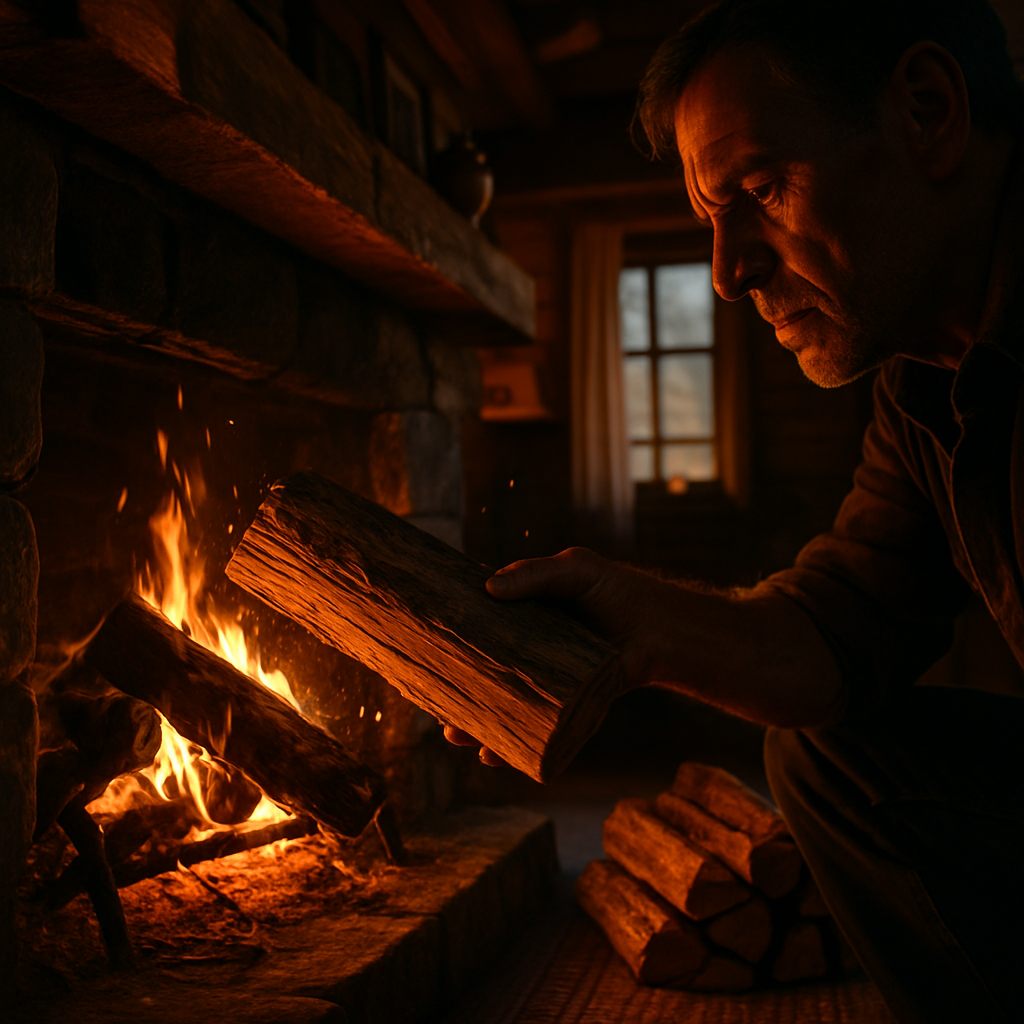
- Tending a hand-fed fire is much more than a practical act; it is a living ritual that weaves together heat, memory, and connection. In a world where technology offers comfort at the mere tap of a button, manual fire-tending endures as a practice of patience, presence, and heritage. The lessons found in its warm glow go far beyond the simple tasks of managing flame and coal—they reach deep into the realms of self-discovery and human connection.
- Patience transforms into a daily ritual: Hand-fed fires demand steady attention and gradual adjustment, teaching us to adapt to the unhurried rhythms of the natural world instead of the fast pace of modern automation.
- Presence becomes both a sculptor of flame and mind: The art of tending fire by hand requires true focus and a dance of senses, attuned to the crackle of burning wood, the shifting heat, and evocative smells. It offers a rare pathway to genuine presence, akin to meditation.
- Skill is a living legacy, passed down generations: More than just technique, fire-tending is a deeply rooted tradition, quietly transferred through families and communities, preserving cultural heritage and honoring the wisdom of our ancestors.
- Every decision fuels a dynamic relationship: The way we regulate a hand-fed fire mirrors mindful stewardship. Each adjustment responds to the fire’s evolving language, forging warmth and comfort through attentive partnership with the elements.
- Choosing tradition over automation nurtures the soul: While technology can supply heat effortlessly, it cannot recreate the soulful fulfillment found in manual tending. Here, connection to nature, cherished family rituals, and the satisfaction of skillful creation converge in every glowing ember.
- Mindfulness is born from the tending itself: The careful, responsive rituals of tending flame offer sanctuary from digital distraction, anchoring our minds and spirits in the elemental here-and-now.
As we journey further, we’ll uncover how the hand-fed fire becomes a mirror, reflecting patience, presence, and a timeless longing for authentic connection. It is a gentle rebellion in a world drifting ever farther from the roots of craft and community.
Introduction
A hand-fed fire springs to life not at the click of a button, but through patience, intention, and a willingness to honor nature’s deliberate tempo. Each log placed, every ember stirred by hand, invites a silent conversation with the flames. This is a soulful ritual that stirs our presence as deeply as it generates heat.
At a time when instant comfort and seamless automation define our routines, manual fire tending emerges as a graceful act of resistance. It invites us to reclaim traditions woven through family stories, move with intention, greet imperfection, and find meaning in the rhythm of living flames. Here, warming our bodies becomes inseparable from nurturing patience, cultivating presence, and deepening the bonds of community. Through this exploration, we rediscover that some of life’s truest lessons glow softly in the fireside light.
The Ancient Dance of Flame and Human
Tending a hand-fed fire draws us into one of humanity’s oldest and most vital traditions. Long before thermostats and electric heaters, people gathered around open flames, developing an intimacy with fire that shaped cultures, communities, and ways of life across centuries and continents. This practice is not just about keeping warm; it is about participating in a living conversation with one of nature’s most powerful forces.
Stay Sharp. Stay Ahead.
Join our Telegram Channel for exclusive content, real insights,
engage with us and other members and get access to
insider updates, early news and top insights.
 Join the Channel
Engaging with a hand-fed fire means taking part in a millennia-old dialogue. From choosing just the right piece of wood to finding the perfect spot for it in a nest of coals, each action draws from ancient, intuitive knowledge. The simple motions (placing, fanning, waiting) echo the gestures of generations past. This form of attention awakens a kind of meditation in motion, blending utility with poetry.
Listening to the language of fire, whether through its shifting hues or the kindling’s subtle crackle, builds an instinctual understanding. Over time, you learn when a blaze craves more air, when it longs to rest, or when it requires fuel. This skill is not memorized from books, but absorbed through hands and heart, often by watchful eyes beside family stoves or communal fires in distant forests. It is a knowledge passed quietly from generation to generation, forming an unspoken legacy rooted in survival, storytelling, and shared meals.
The philosopher Gaston Bachelard mused about fire’s paradox—a symbol of both transformation and presence, change and patience. When we give ourselves to the attentive tending of flame, we are granted a moment outside hurried time, tethered to both ancient memory and the present moment.
The Mindfulness of Manual Fire Management
Present-Moment Awareness
Hand-tending a fire demands total presence. Unlike modern systems that offer heat on demand, the wood fire insists on direct, continuous engagement. Here, the flames become teachers, calling attention back from drifting thoughts or the lure of digital screens.
Each flicker asks for observation: Are the flames robust or fading? Is smoke hinting at the need for air? Is the heart of the fire strong enough, or does it long for another log? These questions ground us, sharpening every sense. The scent of resin, the warmth on your face, and the rhythmic song of burning wood draw you into a singular, absorbing now.
In our age of constant distraction, such unbroken presence is both a rarity and a gift. The fire simply refuses to wait for multitasking or divided attention. Instead, it becomes a gentle, relentless instructor in the art of focus, reminding us how to be fully here.
Rhythmic Rituals and Flow States
The process of fueling and tending a hand-fed fire is deeply rhythmic, inviting a state of “flow” akin to an engrossing craft or musical performance. The sequence of collecting wood, stacking it just so, managing drafts, and sweeping away ash forms a set of rituals that both structure and enrich the day.
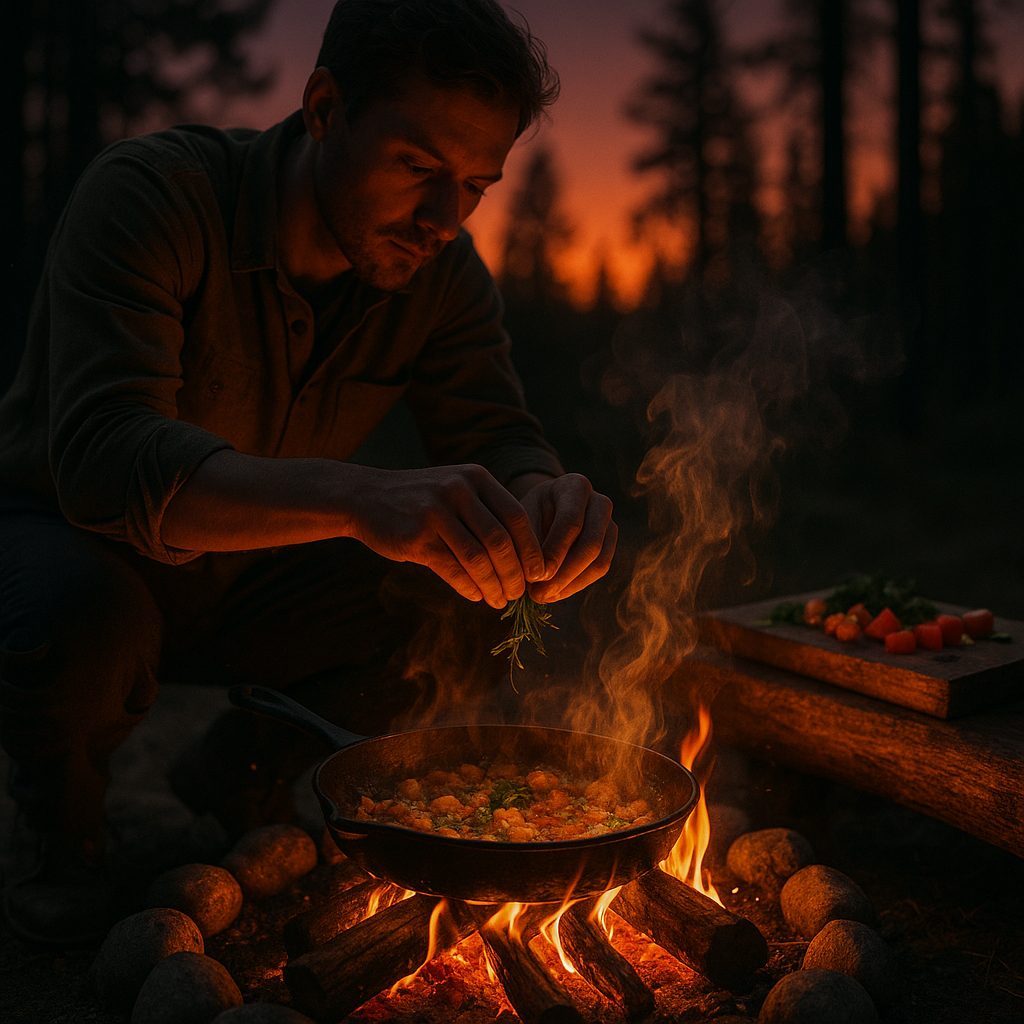
Across the world, these fire rituals have shaped daily and seasonal rhythms. The preparation of coals for baking bread in a Moroccan tabouna, the afternoon gathering for a South African braai, the evening tending of a woodstove in a Scandinavian cabin—all foster communal patterns that orchestrate the rhythm of life.
Elena Rodríguez, who oversees an old-world wood-fired oven in rural Spain, puts it simply: “My hands know when the dough is ready by the feel of the fire, not the ticking of a clock. Each day, the fire leads and I follow.”
This anchoring rhythm offers an alternative to artificial timekeeping and fragmented attention. It reminds us that some processes, like life and fire, unfold best when met with patience instead of pressure.
Learning Patience Through Fire
Above all, manual fire tending is a lesson in patience. Each stage, from the first flicker of tinder to the bright leap of logs, unfolds at its own pace, immune to any attempt at hurry.
Lighting a traditional fire cannot be rushed. Tinder demands careful layering, kindling asks for gentle coaxing, and larger logs must wait their turn until the flames are truly ready. To intervene too abruptly is to smother the process before it has a chance to take hold.
As Scott Kimbro, a seasoned firekeeper, reflects, “Impatience never makes the fire burn brighter. My job is to prepare, wait, and trust—knowing the blaze will come in its own time.”
This patience carries over into every aspect of life touched by fire. Each choice, whether to stoke the flames or let them die back, calls us toward deeper trust in nature’s ways and a more generous acceptance of what can and cannot be rushed.
The Physical Connection to Heat and Energy
The Tangible Experience of Energy Transfer
In a world filled with silent pipes and invisible power grids, hand-feeding a fire uncovers the true nature of energy. Here, comfort is not abstract or impersonal. It is vivid, weighty, and real.
With every armful of wood, every log hefted onto red coals, you witness transformation firsthand. You feel the texture of bark, smell sap as it releases into the air, and watch matter as it shifts from wood to warmth. The distance between source and comfort disappears. You are present at every step, participant and witness in the creation of energy.
Stay Sharp. Stay Ahead.
Join our Telegram Channel for exclusive content, real insights,
engage with us and other members and get access to
insider updates, early news and top insights.
Join the Channel
For many, like Marcus Wilkins in Vermont, this process cultivates reverence for the forest, the wood, and the relationship between labor and reward. Heating with wood is not simply about warmth; it is a conscious partnership with the land and a direct, satisfying encounter with the cycles that sustain us.
The Body’s Wisdom in Fire Management
Manual fire tending is not just a cerebral task; it is a full-bodied experience. Over time, your hands become sensitive to the dryness of wood, your eyes interpret the fire’s shifting language, and your skin learns to gauge radiation from the flames. Even scent alerts you to clean burning or smoky trouble.
This engagement requires, and develops, a tacit wisdom—what philosopher Michael Polanyi described as “knowledge we cannot tell.” Over many fires, your body learns and remembers acts that books and technologies cannot fully impart.
For those who keep this tradition, such wisdom often spills into other domains. Regular wood-heaters describe new awareness of seasonal patterns, deepened attunement to landscape, or an instinctive sense of weather changes (all signs of a body and spirit in tune with the more-than-human world).
The Labor-Value Relationship
Perhaps nowhere else is the relationship between effort and comfort so direct as in manual fire making. Preparing wood involves not only chopping and stacking, but planning ahead, understanding the needs of the coming winter, and devoting hours to tasks that cannot be skipped.
By the time you settle in beside a stove’s glowing heart, your comfort carries with it the memory of all that came before; effort transforms into ease. The warmth is not just physical—it is emotional and psychological, amplified by pride in self-reliance and connection to landscape.
As Carmen Jiménez of rural Andalusia observes, “The heat I feel is more than temperature. It’s the deep satisfaction of having shaped this moment with my own hands.”
This experience extends far beyond individual homes. In rural clinics, hand-fed stoves offer both heat and gathering spaces, a steady presence through cold shifts. In traditional bakeries, they produce breads shaped not just by ingredients but by daily partnership with fire. In remote research stations, scientists working in harsh environments often find manual fires foster unexpected camaraderie, supporting both body and spirit during long nights of study.
Conclusion
To tend a hand-fed fire is to engage in one of our oldest rituals, a ceremony that calls us back to elemental things: presence, patience, and a humble partnership with nature’s power. Each glowing ember, each gentle nudge of kindling, draws us not just toward warmth but toward mindfulness and reconnection with the land, with our ancestors, and with one another.
In an age enthralled by automation and instant access, the quiet labor of fire tending offers a necessary counterpoint: an invitation to slow down, witness transformation, and rediscover the fundamental ties linking comfort to effort. This tradition stitches together ancient wisdom and modern longing, reminding us that the richest rewards are often those that ask us to stay, listen, and participate.
Looking to the future, as we balance the promises of new technology with a renewed reverence for elemental living, the skills of patient stewardship and mindful presence fostered at the hearth will become even more invaluable. Whether in the home, the wilderness, or across global industries from healthcare to education, the lessons of fire (attentiveness, adaptability, and respect) will continue to shape those willing to nurture authentic connection over convenience.
The ultimate question is not whether we can generate warmth, but whether we choose to kindle meaning, memory, and community with every flame.
Let this enduring ritual inspire greater wonder, deeper relationships, and the fierce joy of savoring food, fire, and freedom, wherever the horizon leads.

Leave a Reply