

Key Takeaways
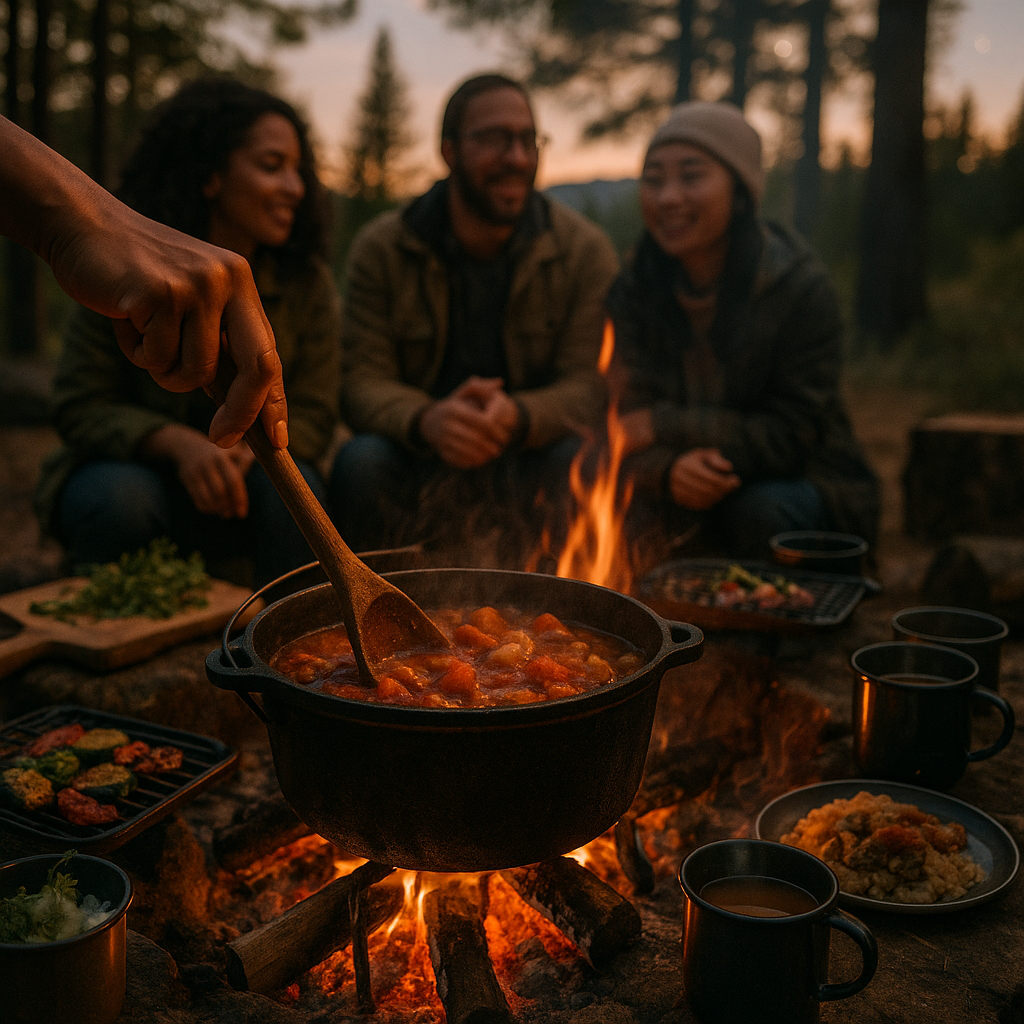
- Campfire meals transform strangers into companions. Gathering around a shared flame invites genuine conversation, breaks down barriers, and forges bonds over simple, hearty food enjoyed beneath the open sky.
- Elemental cooking awakens the senses and the soul. The crackle of firewood, the glow of embers, and the aroma of fire-roasted fare turn ordinary ingredients into extraordinary experiences that linger in memory.
- Food tastes richer when seasoned with adventure. Meals prepared outdoors reflect the spirit of place. Flavors are shaped by wind, rain, smoke, and the wild freedom that only nature can serve.
- Shared flame honors heritage and fosters new traditions. Cooking together in the wild recalls ancient practices and creates new rituals that pass between generations, leaving stories etched into every charred potato and smoky stew.
- Slowing down by the fire deepens appreciation. The gentle rhythms of outdoor cooking prompt us to pause, savor the process, and reconnect with simplicity. We are reminded that good things take time.
- Nature becomes the dining room, feast, and friend. Each bite is set against backdrops of rushing rivers or starlit skies, transforming mealtimes into immersive journeys of taste and wonder.
In the following story, you’ll wander into the heart of shared flame cooking and discover not only rustic recipes, but also the irreplaceable moments of connection and awe that only a meal by the fire can bring.
Introduction
Smoke weaves through tall pines as laughter finds its rhythm beside the flames. This is shared flame cooking. Here, time slows, and strangers become companions with every passing plate. Out here, the campfire is more than a tool; it kindles a ritual as old as storytelling itself, inviting us to gather closer, open up, and taste the world with all our senses wide awake.
With every crackle of the fire and each spoonful eaten beneath open skies, meals turn into celebrations of togetherness, sparks of memory, and reflections of wild places that shape us. Let us wander into the heart of shared flame cooking and uncover why every meal by the fire lingers long after the embers fade.
The Primal Attraction of Flame
Fire has drawn humans together since the dawn of civilization, creating spaces where stories flow as freely as the sparks that dart into the night. There is something deeply archetypal about gathering around flames that stirs an ancient instinct within. Flickering light, dancing shadows, and the mesmerizing movements of embers speak to us beyond rational thought, linking us to generations that have come before.
Stay Sharp. Stay Ahead.
Join our Telegram Channel for exclusive content, real insights,
engage with us and other members and get access to
insider updates, early news and top insights.
 Join the Channel
Engaging in open-flame cooking is more than preparing food. It is a ritual that connects us across time and culture. The act of tending fire demands presence and engagement. It cannot be rushed or automated. This slower tempo opposes our often hurried lives, offering a rare opportunity to anchor fully in the moment.
All the senses awaken with shared flame cooking. The crackle of burning wood composes a unique symphony, distinct from any digital playlist. The smoky scent seeps into food and clothing, its memory vivid for years to come. Radiant warmth (both physical and emotional) becomes an invisible boundary, gathering people together. As we shift from the artificial blue glow of screens to the primal glow of flames, we find ourselves opening up, sharing stories and dreams often left in the shadows of daily life.
Cultural Traditions of Fire Cooking
Ancient Wisdom in Modern Practice
Across continents and eras, communities have mastered unique ways of cooking with fire that mirror their land, resources, and values. The South American asado is not just technique; it is a cornerstone of culture, with the asador orchestrating a gathering where slow-cooked meats carry the essence of shared tradition.
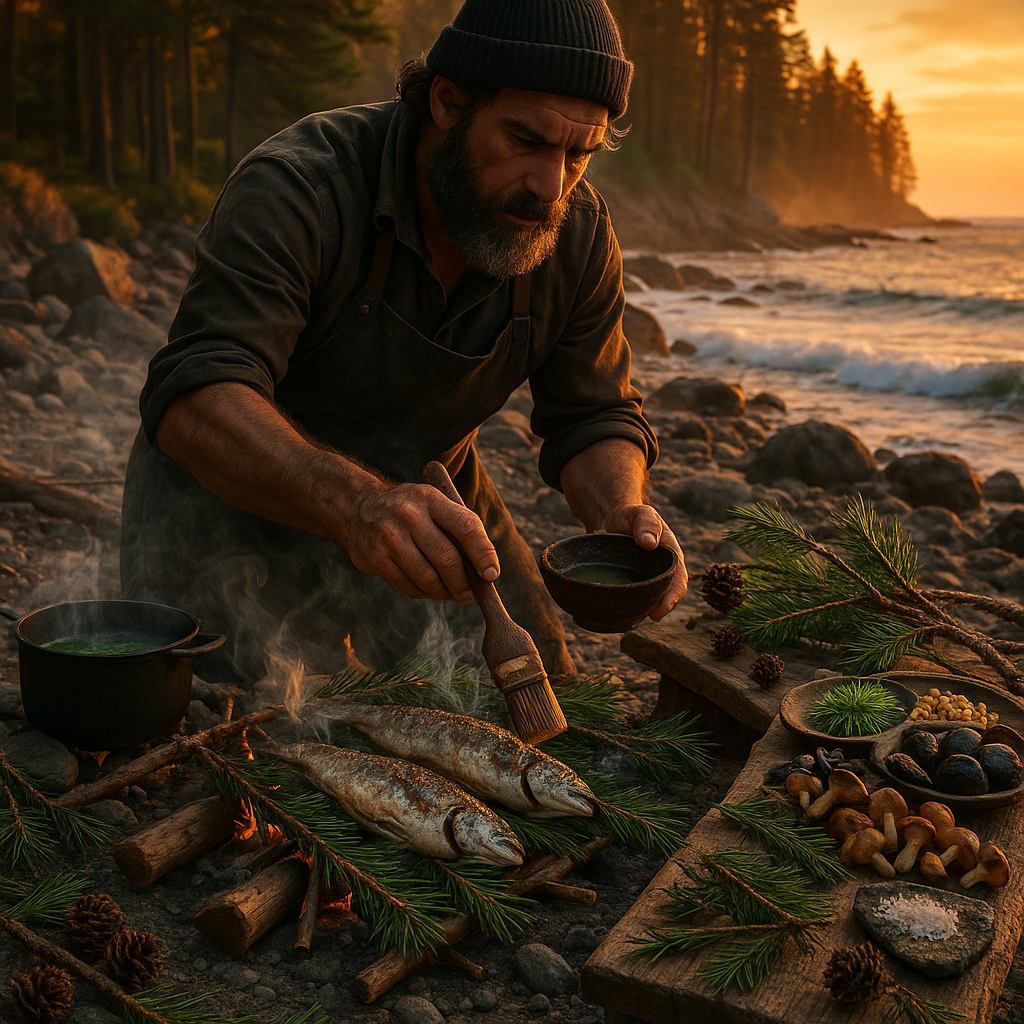
Indigenous peoples of the Pacific Northwest perfected cedar plank salmon, blending environmental respect and culinary mastery. These methods, continued today, carry profound lessons in sustainable harvesting and the deep connection between land, water, and food. The aroma of cedar timber mingling with fire becomes a living testimony to place.
Similarly, Moroccan tagines showcase cultural ingenuity. Conical lids recirculate moisture in an arid land, while the long, collaborative wait for steam to rise embodies patience and unity. The simple act of gathering to share the first shimmering scent as the tagine lid lifts creates a powerful sense of the present. Here, cooking methods reveal themselves not just as practical solutions, but as contributions to the shared fabric of human connection.
Flame as Universal Language
Despite their diversity, cultures across the globe unite around the campfire’s universal language. Finnish nuotios, South African braais, Australian bush barbies. All create spaces where social rank softens, laughter rises, and food becomes a catalyst for community.
Campfires naturally draw people into circles, unlike the rigid hierarchies of modern dining rooms. This circular formation facilitates equal footing, mutual eye contact, and effortless conversation. Barriers fade, and shared stories or silences become the rhythm of the meal.
Time also flows differently around a fire. Gaps between courses become spaces for reflection or camaraderie, rather than impatience. The natural division of roles (fire tending, ingredient gathering, seating) threads interdependence through the experience. Across techniques and continents, these patterns showcase how fire cooking nurtures human connection in ways that convenience cooking rarely can.
The Chemistry of Connection
Breaking Bread, Building Bonds
Sharing food pulled from the flames forges bonds on many levels. Science tells us that oxytocin, the “bonding hormone,” is released when we eat together in intimate settings. That primal setting? It amplifies the effect. Our senses heighten, social defenses relax, and communal sharing takes root.
By the fire, everyday roles become fluid. The experienced manager may fumble with a grilling fork, while the newcomer shows hidden expertise. These realignments nurture authentic connections. The physical fire circle mirrors social equality. Everyone shares warmth, everyone waits together, all contribute in some way.
Challenges unique to flame cooking (rogue weather, unpredictable coals, forgotten tools) become shared opportunities. The group collaborates, overcomes, and laughs at unexpected mishaps. Collective solutions appear, often revealing new skills and sides of our companions, reinforcing trust that goes beyond the glow of the fire.
Time Slows Down by the Flame
Modern life is paced by efficiency, not experience. In contrast, fire cooking insists upon patience. Coals must mature; heat is subtle and cannot be dialed at whim. Ingredients transform with time, not instantaneity. This unhurried process opens space for conversation, silence, and appreciation, free from the pulse of endless notifications.
The meditative nature of waiting for a meal over flame nurtures a unique kind of group mindfulness. Attention restoration theory suggests such “soft fascination” is healing, allowing the mind to rest while the senses stay engaged. In a digitally saturated world, the fire’s slow tempo becomes not just pleasant, but essential for meaningful connection and mental rejuvenation.
Most profound is the unity of senses a fire brings. Everyone witnesses the flare of sparks, inhales woodsmoke, and tastes the honest char of open flame. This collective sensory reality creates a felt sense of belonging. Communion not mediated by screens, but born of elemental togetherness.
The Art of Flame Management
Reading the Language of Fire
To truly master open flame cooking is to engage in dialogue with a living element. Different woods shape the meal’s character. Oak delivers even, reliable heat; hickory speaks boldly, infusing robust flavors; apple and cherry woods lend gentle sweetness. Choosing wood becomes a culinary nuance, an act of artistry as much as utility.
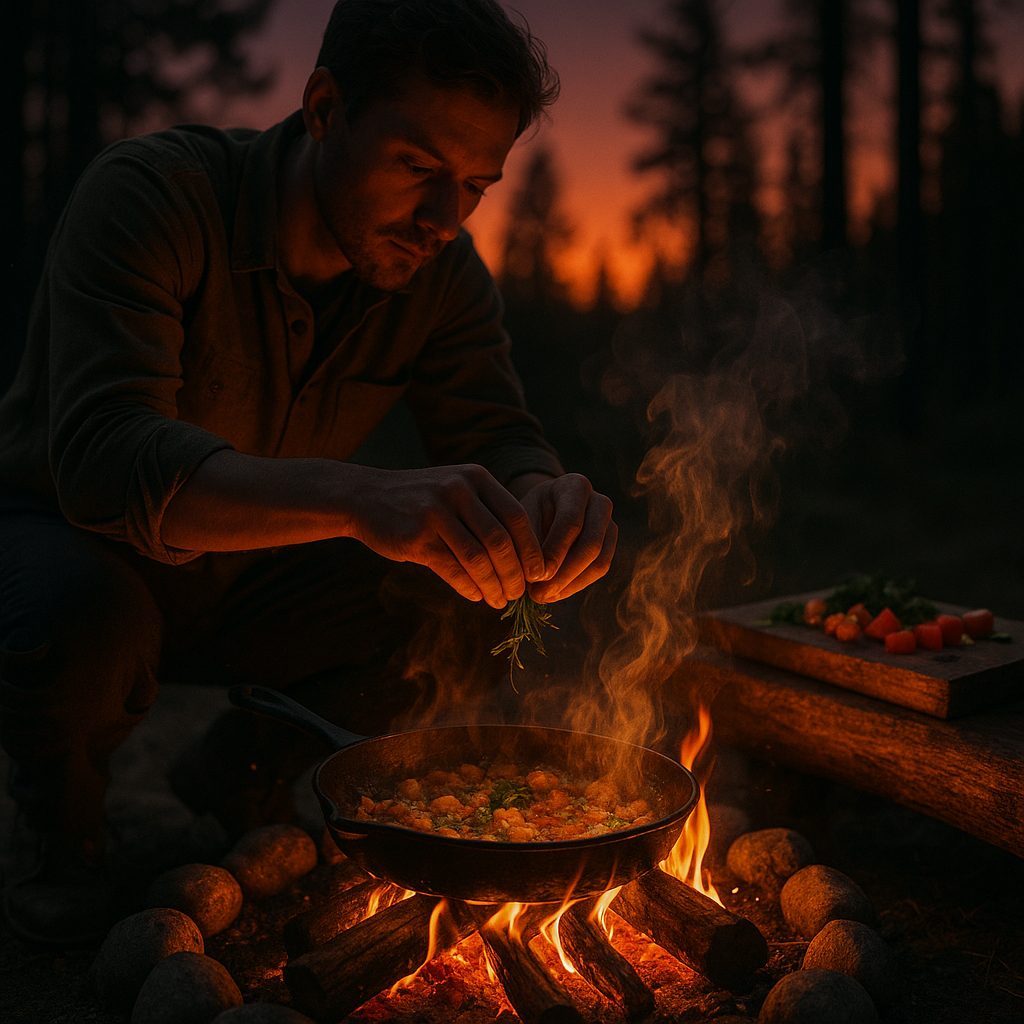
Experienced flame cooks read a fire’s hues and movements as cues. Bright flames with clear smoke spell perfect fuel and airflow. The progression from red to white in the coals indicates temperature shifts, guiding chefs toward the ideal moment for searing or slow roasting. Instead of digital thermometers, intuition steers technique, timing, and results.
Stay Sharp. Stay Ahead.
Join our Telegram Channel for exclusive content, real insights,
engage with us and other members and get access to
insider updates, early news and top insights.
Join the Channel
Environmental variables (wind, moisture, altitude) transform fire’s behavior. A trick that works in a windswept canyon may falter in a damp forest hollow. Adaptation and awareness become essential, and when shared, these small lessons forge deeper connection with both people and place. Such teaching moments echo the passing of ancestral knowledge through hands-on action.
Building a Cooking Fire for Community
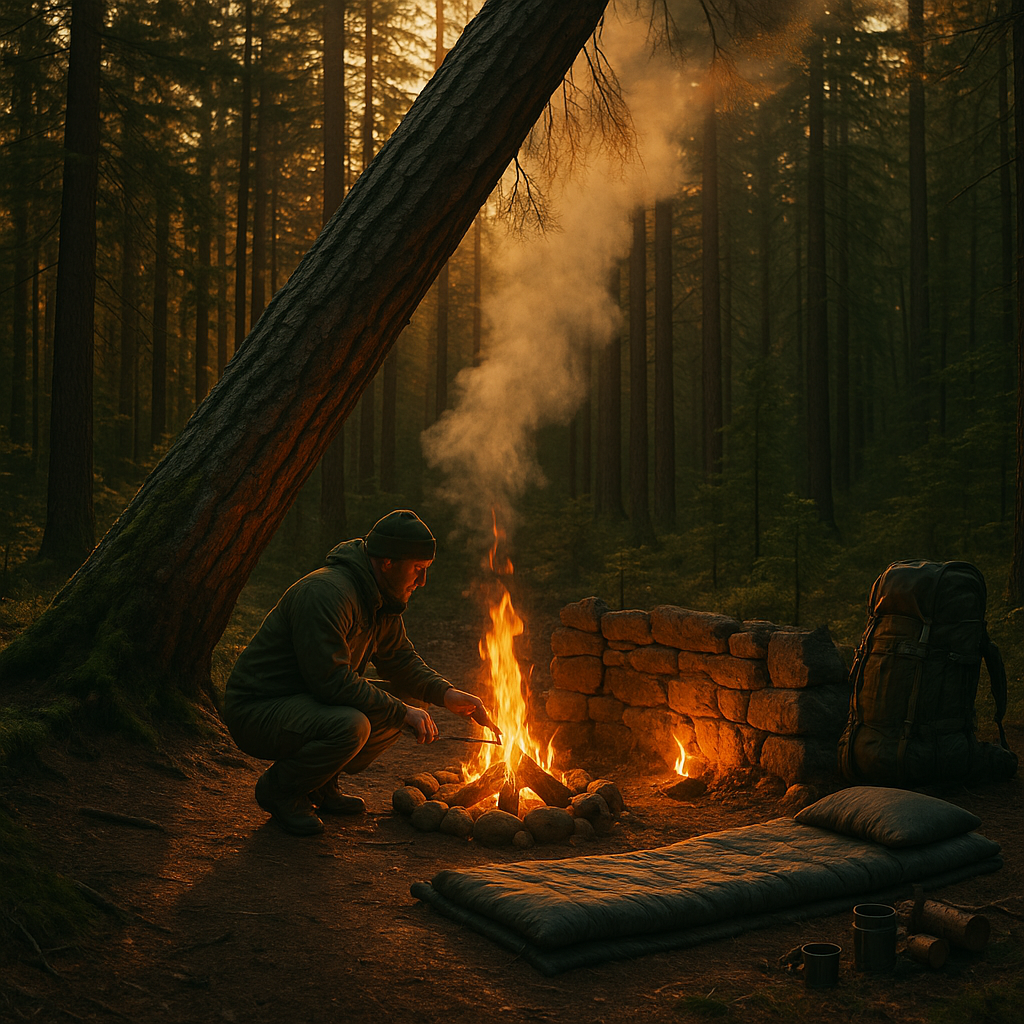
Crafting a fire for group cooking is fundamentally different from building it purely for warmth. The culinary fire is constructed with intention: varying coal beds create distinct cooking zones, while adjustable log placements allow for simultaneous searing, simmering, and warming.
Physical design shapes social flow. A raised platform invites collaboration, while seating rings draw everyone (whether stirring a pot or watching the magic unfold) into the circle. Cutting boards and seasoning stations serve as impromptu gathering spots where conversation sparks alongside culinary creativity.
This collaborative approach can be found across many walks of life, from a scout troop perfecting foil packet meals to luxury safari lodges offering guests the experience of grilling alongside a professional chef under the stars. In educational environments, teachers use campfire cookouts to blend science, culture, and teamwork for students. Healthcare professionals sometimes use outdoor cooking as part of group therapy, reconnecting patients with tactile skills and communal support. In environmental science, wildfire recovery teams or conservation crews rely on shared flame meals not just for sustenance, but for morale and storytelling in the field.
Finance professionals and legal teams, too, seek out fire cooking retreats as ways of breaking down formality and fostering genuine teamwork. In every setting, the rhythm of preparing and sharing food around a living fire sustains connection, trust, and a sense of shared purpose.
Conclusion
To gather around a fire is to step into an ancient yet ever-relevant tradition, uniting food, story, and human connection against the vivid canvas of nature. Cooking with open flame is not just a culinary act; it is a shared ritual that brings us closer to the land, our history, and each other. Across diverse cultures and professions, fire continues to nurture egalitarian circles where conversation deepens and memories are seared into the heart.
In a world dominated by screens and speed, tending to the flame reminds us to slow down, to find wonder in simple rituals, and to rediscover ourselves through the act of gathering. As embers fade and the night unfolds, we are left with more than full bellies. We carry forward stories, traditions, and bonds that anchor us to something bigger.
Looking ahead, the value of authentic, slow experiences grows as we navigate a restless, ever-digitized world. Businesses, educators, and communities that nurture these elemental traditions will inspire deeper loyalty, creativity, and wellbeing. Whether you are an adventurer, a storyteller, or simply someone seeking connection, the lasting magic of food, fire, and freedom awaits. How will you answer the invitation and reclaim your own seat at the circle, beneath the vast, starlit sky?

Leave a Reply