

Key Takeaways
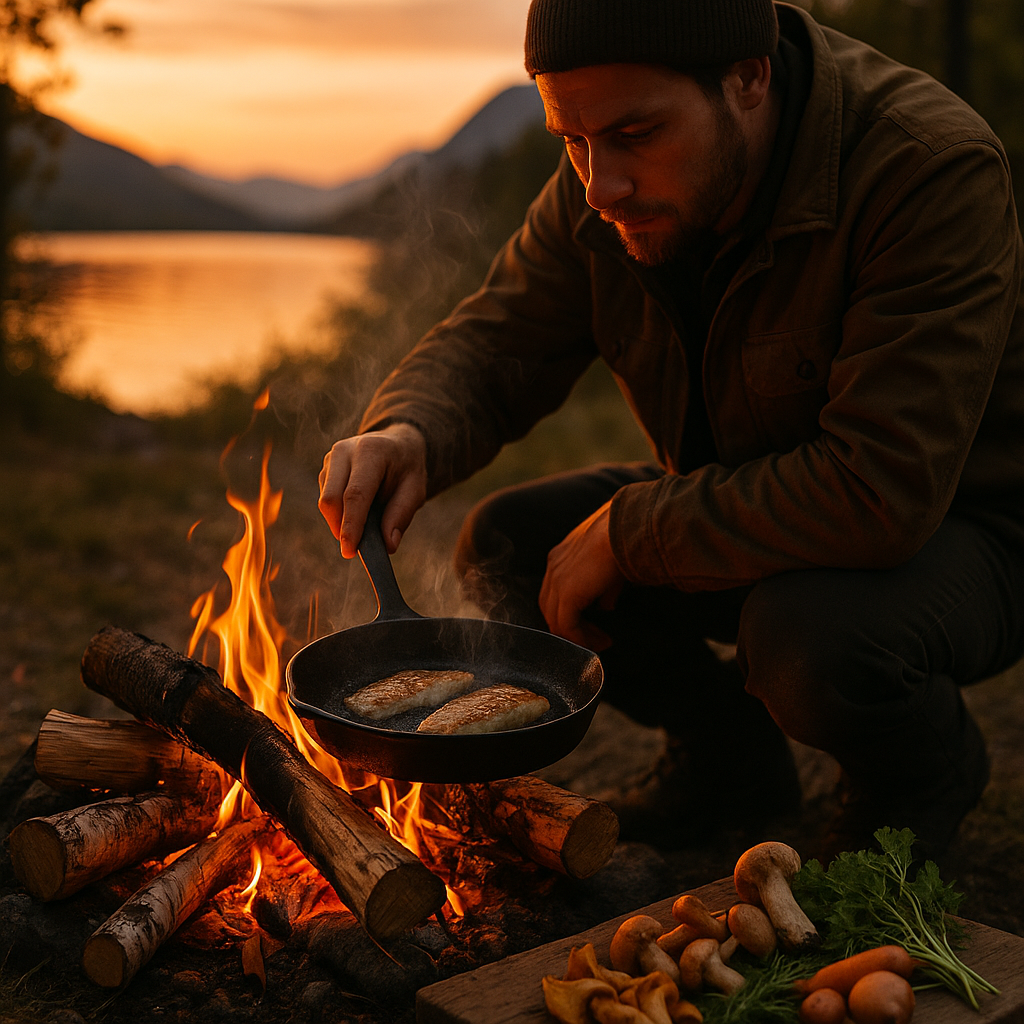
- Let the landscape guide your menu. Acoustic fire pairing elevates outdoor cooking by tuning in to the crackle, sizzle, and snap of gathered wood, allowing each log to inspire what and how you cook.
- Flavor begins with the found fuel. Every species of wood brings its own aromatic signature and heat profile, quietly infusing food with the terroir of the forest, riverbank, coastline, or mountainside where it burns.
- Master fire as a living instrument. Cooking over found firewood is about reading the rhythms of burn rate, flame color, and ember sound, giving you the power to adapt your technique and achieve a perfectly cooked meal, no matter how wild your surroundings.
- Embrace imperfection for deeper connection. The unpredictable voices of nature (uneven heat, shifting smoke, gentle embers) inspire creativity and presence, ensuring every feast becomes utterly unique and unforgettable.
- Savor more than taste. Engage every sense. The harmony of sound, scent, warmth, and flavor awakens a primal joy, grounding you in the present moment and forging a soulful bond with the wild places you explore.
As we embark on this adventure, we’ll journey from forest floor to glowing hearth, uncovering the soulful rituals of acoustic fire pairing and discovering how wild wood and elemental cooking can become a celebration of place, season, and story.
Introduction
Not all fires are born equal. Some whisper quietly while others roar with purpose, each shaping your meal in ways recipes rarely explain. Acoustic fire pairing starts in the gathering: choosing wood not just by what’s available, but by listening to the subtle music each branch is waiting to play when set alight.
In the wild, flavor rises from fallen limbs and mossy logs discovered beneath an ever-changing sky. The crisp crackle of oak, the soft hiss of birch, the sweet smoke of cedar—these are nature’s cues that transform outdoor cooking into an artful collaboration. Whether simmering a foraged stew or charring wild mushrooms, matching wood to flame becomes an invitation to celebration, rich with place, sensation, and story.
Let’s look beyond the routine and discover how acoustic fire pairing turns every meal into an adventure, where sound, scent, and improvisation guide the way.
Stay Sharp. Stay Ahead.
Join our Telegram Channel for exclusive content, real insights,
engage with us and other members and get access to
insider updates, early news and top insights.
 Join the Channel
The Art of Acoustic Fire Pairing
When you cook outside, the dance of flame is more than heat. It’s a conversation. Rather than simply burning wood, acoustic fire pairing invites you to listen for nuance. The selection of branches and weathered logs is as critical to flavor as any salt or herb. Every forest, every riverside, every open plain offers its own aromatic library, waiting to be unlocked by attentive ears and hands.
Unlike the measured control of modern kitchens, found firewood links us to traditions older than recorded recipes. Each wood tells its story as it burns: the snapping of oak, the gentle hiss of aspen, the resinous crackle of pine. These sounds become a language, shaping your journey (from foraging to feasting) alongside the landscape itself.
Understanding the Language of Fire
Knowing how a fire sounds can change the way you cook. Fire is alive, speaking in soft whispers or sudden pops, each signal offering insight into heat, moisture, and readiness.
A mature fire speaks differently than one that’s just breathing its first. Tuning in to these voices makes cooking intuitive, even when technology is far away. Listen for these personalities:
- The Whisper: Subtle, inconsistent crackling from kindling signals gentle warming. This stage is wonderful for melting butter, oil, or chocolate, but lacks the strength for grilling or boiling.
- The Conversation: Medium flames with steady pops and crackles indicate a fire hitting its stride. Now is the time to sauté, boil, or roast, when the heat is strong but manageable.
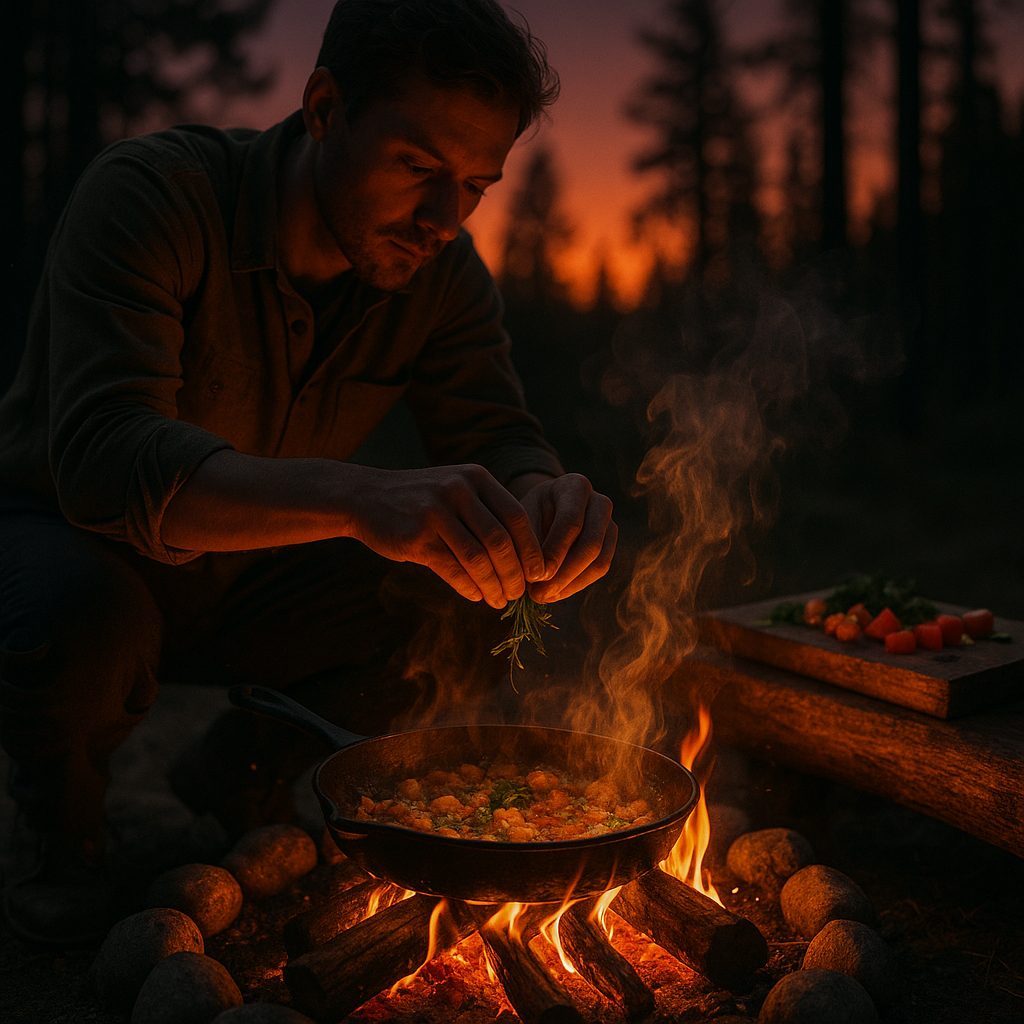
- The Roar: Fully engaged wood and glowing coals create a deep, steady sound. This contemplative hum is the sweet spot for baking in a Dutch oven or slow-roasting meat, bread, or root vegetables.
Learning to interpret these sounds lets you time your meal without obsessively watching the flames. On a morning in the Scottish Highlands, I listened as the low, steady pops of beech embers told me my fish was nearly ready, guiding me better than any clock could.
The relationship between fire’s sound and its heat is remarkably reliable. A quietly purring fire typically ensures even cooking, while sudden snaps hint at a possible flare. In these moments, your ears become your best culinary tool, especially when there’s no gadget in sight.
Wood Selection: Nature’s Flavor Palette
Every landscape is its own pantry, brimming with unique woods. What you gather beneath your boots (whether on a forest trail, beside a desert arroyo, or along a misty coastline) determines what flavors rise from your pot or pan. The heart of acoustic fire pairing begins with recognizing these natural gifts.
Hardwoods vs. Softwoods
The most basic (yet profound) choice in wild firewood is between hardwoods and softwoods, each offering a distinct sound, heat, and signature flavor:
Hardwoods (oaks, maples, hickory, beech):
- Burn deeper, with quiet but powerful crackles
- Offer long, even heat ideal for roasts, breads, or slow-cooked stews
- Form robust coals that sustain cooking
- Lend subtle, complex aromatics that meld with hearty foods
Softwoods (pines, firs, spruces):
- Produce higher, rapid snaps and pops
- Ignite easily, burn quickly, and provide quick bursts of heat
- Often lend strong resinous flavors (good for boiling water or a quick fire, but less ideal for delicate flavors)
- Best reserved for kindling or occasional quick-cooking dishes
These distinctions are as much about sound as taste. Hardwoods announce themselves in steady, confident tones, while softwoods chatter brightly, filling the air with a dynamic soundtrack. This difference is especially helpful in unfamiliar places. Trust your ears alongside your eyes.
Experiences vary by location: In Vermont’s maple groves, a soft, melodic crackling gave gentle heat to a wild apple cobbler. In Australia, the spicy, resinous snap of eucalyptus turned fresh seafood into an aromatic celebration of the Outback.
Regional Wood Personalities
Across the world, local woods each offer their own character. Learning to identify and cook with them brings you closer to the landscape’s heart.
Temperate Forests:
- Oak: A deep, steadfast burn with subtle crackle and robust smoke. Wonderful for roasting game or baking bread.
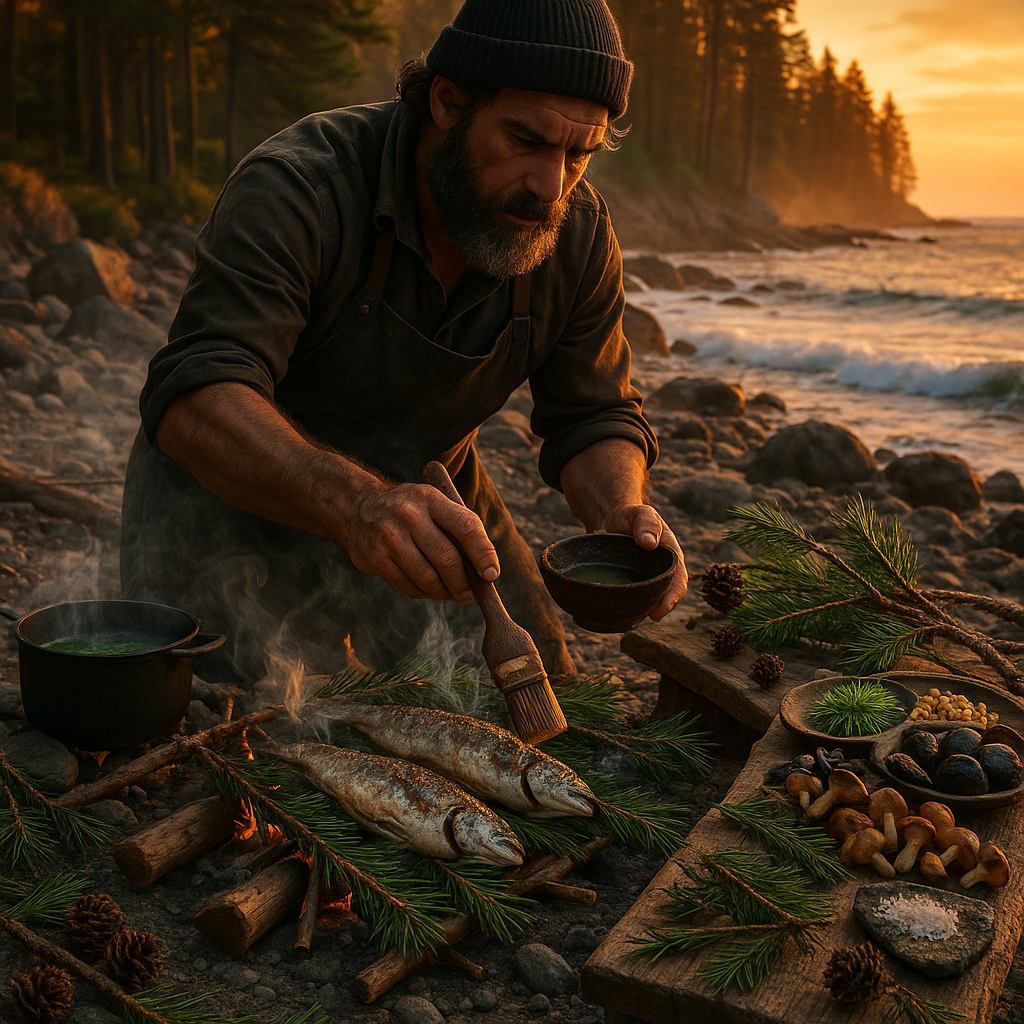
- Birch: Softer, fragrant hiss—perfect for fish and root vegetables.
- Cherry: Slightly sweet-smelling, with gentle pops; lovely for grilling or dessert.
Mountain and Plateau Regions:
- Aspen: Bright, rhythmic crackling; gives clean heat ideal for searing trout or vegetables.
- Mesquite (Southwest US): Strong, steady burn and a distinctively smoky signature. Perfect for hearty meats or beans.
Coastal and Tropical Landscapes:
Stay Sharp. Stay Ahead.
Join our Telegram Channel for exclusive content, real insights,
engage with us and other members and get access to
insider updates, early news and top insights.
Join the Channel
- Driftwood: Whispers and sings with shifting tones, brings a gentle salinity to shellfish and flatbreads. Use caution and be mindful of possible chemical residues.
- Olive or almond (Mediterranean): Smolders with a slow, almost fruity aroma, ideal for charring veggies or seafood.
Remember, each fallen branch is shaped by its place: two pieces of cedar from different valleys may sound and burn distinctly, a reminder that cooking outdoors is about adapting to the present landscape.
Reading the Landscape for Cooking Potential
The journey of acoustic fire pairing starts with your first step into the wild. Every fallen branch and hollow log has a story to tell about its potential in your next meal.
The Art of Sustainable Collection
Ethical wood gathering is as much about mindfulness as flavor:
- Take only dead, dry wood that snaps easily when bent. Leave damp, decayed logs to nurture the earth and its creatures.
- Work with what’s small enough to break by hand or rock (not only does this protect the ecosystem, it minimizes impact and rewards you with clean, predictable heat).
- Scatter your foraging—don’t strip a single spot bare. This helps preserve habitats and keeps nature’s pantry full for the next adventurer.
- Learn the local rules. Many protected areas, from state forests in the US to bush reserves in Australia, prohibit any collection. If in doubt, ask.
- Pack out what you pack in. Any sign of your fire or presence should leave only gratitude behind.
When walking New Zealand’s beech forests, I discovered that collecting pencil-thin deadfall (legal and ecologically gentle) offered superb fuel for a quick fireside lunch. The gentle, consistent burn was perfect for grilling cockles gathered from a tidal river, all while respecting nature’s grand design.
Identifying Prime Cooking Wood
Choosing great firewood is a full-body experience. Engage each sense:
- Sight: Well-seasoned wood is gray or dull, with cracked ends and a matte finish.
- Hearing: Knock two branches together. A hollow ring means dryness; a dull clunk often signals dampness.
- Touch: Dry wood feels light and splintery compared to green wood, which is heavier and sticky with sap.
- Smell: Seek out pleasant aromas that could complement your recipe—the sweet scent of cherry, the rich perfume of mesquite.
Experience sharpens your intuition, helping you anticipate not just how a piece of wood will burn but how it will sing in your fire and flavor your food.
Techniques of Flame Listening
Mastering acoustic fire pairing means cultivating a sensitivity to fire’s language and building a feedback loop between your meal and the flames.
The Stages of Fire Development
Every fire lives through distinct phases, each revealed through unique sounds:
- Building Stage: Soft, irregular crackles and whispers. This is for slow warming, melting, or infusing oils.
- Active Flame Stage: Steady, lively crackling, excellent for boiling water, quick searing, or sautéing.
- Coal Stage: Subdued, with muted pops and a barely-there hum. This is your steady heat for slow-cooked dishes, baking, or holding food at temperature.
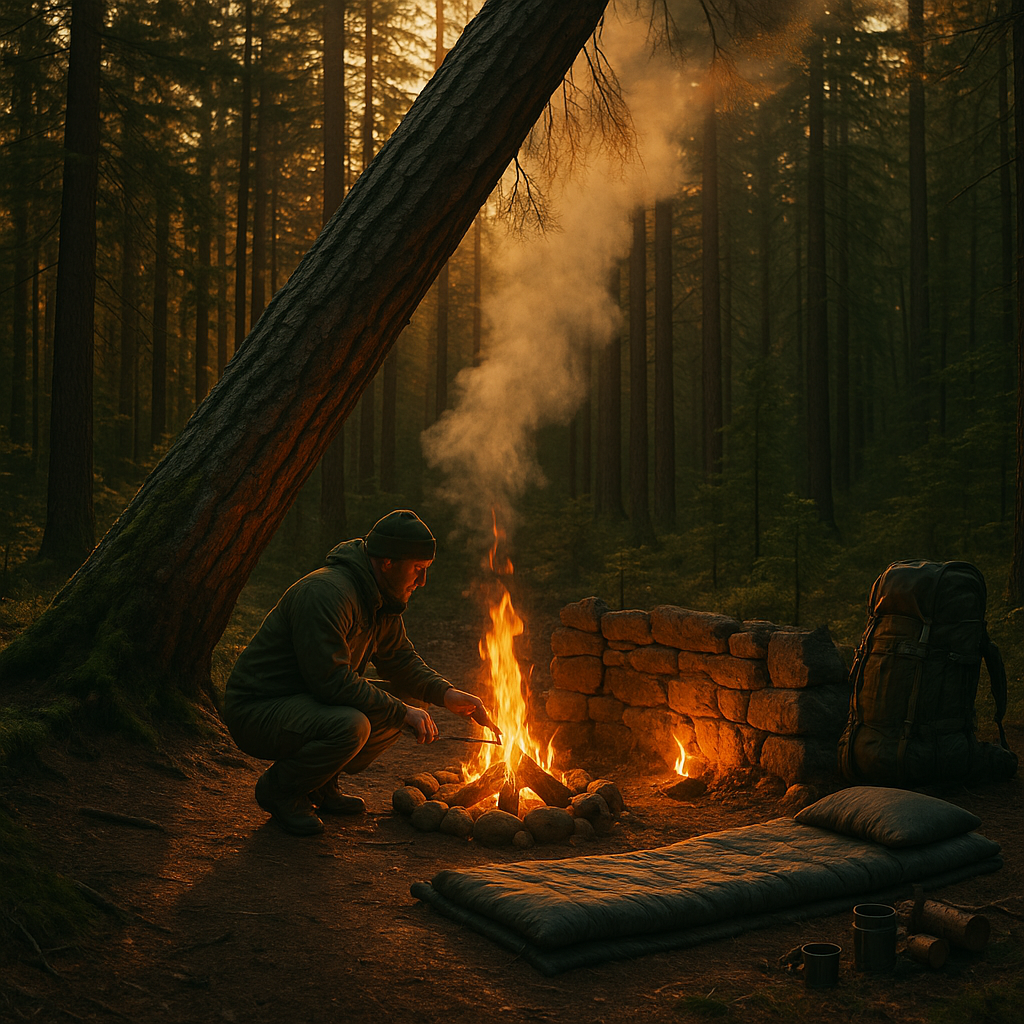
By listening as you cook, you can divide your attention between gathering, prepping, and tending your fire. During a lakeside camp in Patagonia, a low, contented crackle told me my squash was gently roasting beneath the embers, freeing me to explore while nature watched my pot.
Creating Cooking Zones Through Sound Management
The fire itself can become your kitchen, offering different cooking zones based on where you place your pan or skewer:
- Hot Zones: Where flames crackle energetically and the roar is strongest, great for flash-searing.
- Medium Zones: Where embers glow orange and an occasional soft pop marks moderate heat—perfect for frying or slow simmering.
- Cool Zones: Where sound fades, and heat lingers quietly (best for warming bread or finishing delicate dishes).
With experience, you can orchestrate your meal by sound: searing meat over the lively end, baking bread where embers whisper, and gently warming a mug of foraged berry tea at the fire’s edge. When cooking with friends in Norway’s boreal woods, arranging logs for distinct sound zones became a ritual, as rich and rewarding as the feast itself.
Bringing Acoustic Fire Pairing Beyond the Campsite
While fire pairing is rooted in the wild, its philosophy of adapting to place, listening closely, and embracing imperfection has applications far beyond traditional camping or trekking. Chefs in gourmet restaurants use wood-fired ovens, relying on the pop and hiss of cherry or hickory to assess readiness for flatbreads or roasted vegetables. In home gardens, a backyard fire pit can become a stage for acoustic cooking, letting you tune into the subtle whispers and crackles as you grill, bake, or smoke.
Even in professional fields, this approach encourages mindful resource use. Environmental scientists monitor the acoustic signatures of controlled burns to restore forest health. Outdoor educators and guides teach students to cook using only what the landscape provides, fostering respect for ecosystems. Culinary schools are beginning to embrace these ancient techniques to deepen student understanding of flavor layering and sustainability.
For those inspired by the resonance of outdoor cooking, exploring topics like wood flavor profiles can further unlock the sensory landscape, and delving into auditory cooking focus brings a new level of mindfulness to your experience.
Conclusion
Acoustic fire pairing is more than a way to cook. It is a deeply sensory ritual that invites you to slow down, listen, and connect with the world in the most elemental way. Through the interplay of wood, fire, and attentive presence, we tap into a collective memory carried on the wind: a memory of gathering, storytelling, and sharing meals under the sky.
By tuning into the sound and spirit of fire, you become both chef and participant in the ongoing story of a place. You honor not just the woods, fields, or beaches you travel but the people and cultures who have learned to listen before you. Cooking in this way nurtures a sense of belonging, respect, and wonder, a celebration of authenticity and adventure that can reshape how we gather, savor, and reconnect with what matters.
As we look to the future, there’s opportunity for chefs, travelers, and everyday explorers to reclaim the joy of cooking with nature as guide. Whether in the wild heart of an old-growth forest, on a city rooftop with a portable grill, or along a windswept shore, the invitation remains: listen to the land, honor its gifts, and let each crackle be a reminder that the richest feasts are those that kindle both appetite and soul. The next chapter belongs to those who choose not only to taste, but to hear and feel the freedom of food, fire, and the wild.

Leave a Reply