

Key Takeaways
- Open-ended recipes invite us to move beyond precise measurements and rigid steps, turning each meal into a personal story shaped by taste, intuition, and the wild freedom of the outdoors. These recipes encourage adventurers and food lovers alike to improvise, forge authentic connections, and embrace the sensory delights of fireside cooking.
- Ignite creativity by letting go of fixed rules. Open-ended recipes empower you to cook with intuition, drawing on what’s available and allowing flavors and techniques to evolve on the fly around the fire.
- Transform meals into shared stories. Cooking becomes a soulful ritual where each ingredient, memory, and moment of improvisation adds a unique layer, deepening the bonds among friends, family, and fellow travelers.
- Celebrate connection with nature and place. Gathering ingredients from the landscape or local markets, this approach honors each setting’s surroundings and heritage, allowing every feast to reflect its wild home.
- Embrace imperfection as the heart of adventure. Let go of the quest for “perfect” tastes or flawless presentation. Open-ended recipes thrive on adaptation, happy accidents, and the honest beauty of meals cooked under open skies.
- Foster slowing down and savoring the process. The fireside invites patience. Open-ended cooking is less about rushing to the result and more about enjoying the crackling logs, smoky aromas, and the slow transformation of ingredients with each passing moment.
- Fuel self-discovery through hands-on experience. Every open-ended meal teaches new skills, sparks curiosity, and builds confidence, reminding us that meaningful food is about exploration, not just instruction.
Allow these takeaways to spark your imagination and guide you into the adventure of open-ended cooking, where every meal becomes an invitation to explore, connect, and savor the wild with all your senses.
Introduction
Some of the world’s most memorable meals begin with nothing more than a spark, a handful of ingredients, and the freedom to create without a script. An open-ended recipe is not just a way to cook. It’s an invitation to trust your senses, gather around the fire, and let each meal unfold as a living, breathing story.
Moving beyond measurements and step-by-step instructions, fireside cooking becomes an act of intimate connection. Wild intuition, local flavors, and those imperfect, joy-filled moments thrive best outdoors. Every act of improvisation shapes more than the meal. It shapes the memory, drawing you closer to the land, the flames, and the people beside you.
With this spirit of exploration, discover how open-ended recipes can transform cooking into an adventure, nourishing body and soul with each smoky, spirited feast.
Stay Sharp. Stay Ahead.
Join our Telegram Channel for exclusive content, real insights,
engage with us and other members and get access to
insider updates, early news and top insights.
 Join the Channel
The Essence of Open-Ended Recipes
At the edge of a glowing campfire, recipes transform. They become less about precision and more about presence. Open-ended recipes are not simply instructions with missing measurements. They are invitations to engage with food on an instinctive, primal level (connecting us to our ancestors who cooked by feel, guided only by their senses and the elements, long before kitchens or cookbooks).
Departure from traditional recipes, with their fixed temperatures and exact timings, opens the door to the beautiful uncertainty of outdoor environments. When perched on a rocky outcrop, wind tugging at the flames and temperature shifting with each breeze, strict formulas are not just impractical. They’re irrelevant. This is liberation, not limitation.
The wilderness naturally strips away the comforts of a kitchen and awakens dormant instincts. Timers and thermometers fall away. Your senses become your essential tools:
- Sight: Watching the height of flames, the color of smoke, and the transformation of the ingredients by fire.
- Sound: Hearing the sizzle that signals moisture meeting heat, the pop of fat, or the subtle hiss when something is perfectly done.
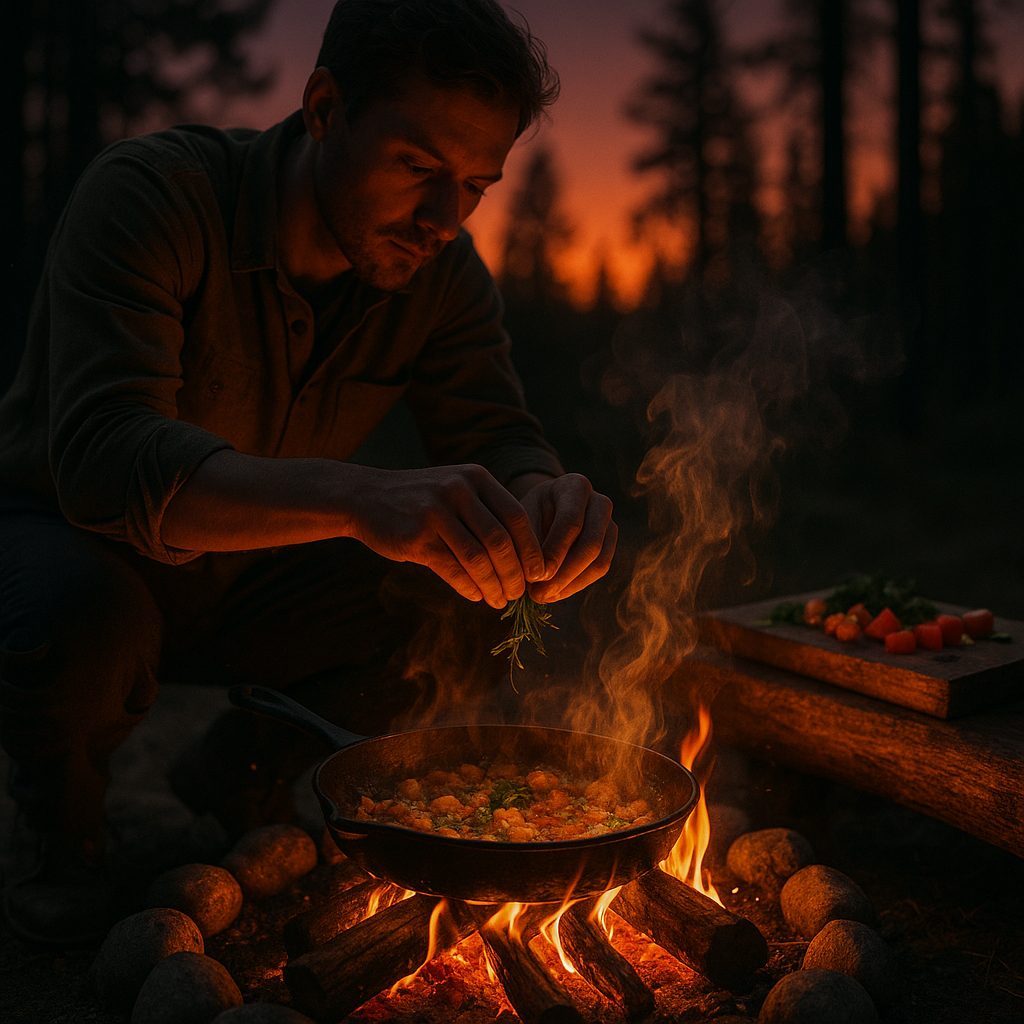
- Smell: Noticing the changing aromas, the earthy perfume of wild herbs blending with wood smoke, and the unique scent every ingredient releases through cooking.
- Touch: Feeling the give of meat, the spring of dough under your hands, and the gentle resistance of cooked grains or root vegetables.
- Taste: Continually sampling to guide seasoning and to sense when a dish reaches its peak.
There is deep wisdom in this approach. As one mountain cook reflected during a trek through the Cascades, “When you’re cooking beside a river that is never the same twice, why would you expect your meals to be identical? The adventure is in adapting.”
This sensory guidance system restores a lineage of knowledge that predates written recipes. The tacit understanding, built through repeated experience and attentiveness to the environment, links us to a universal heritage: human beings and open flame, improvising nourishment from what surrounds them.
In this dance, fire itself becomes both teacher and ingredient. Its unpredictable intensity requires you to react in real time, moving food, adjusting embers, shifting pots to harness or mellow heat. Cooking by fire is a fluid conversation between cook and flame, shaped by weather, landscape, and the simple resources on hand. This interplay turns meal preparation into a living art, with each dish as singular as the setting.
Fireside Cooking as Storytelling
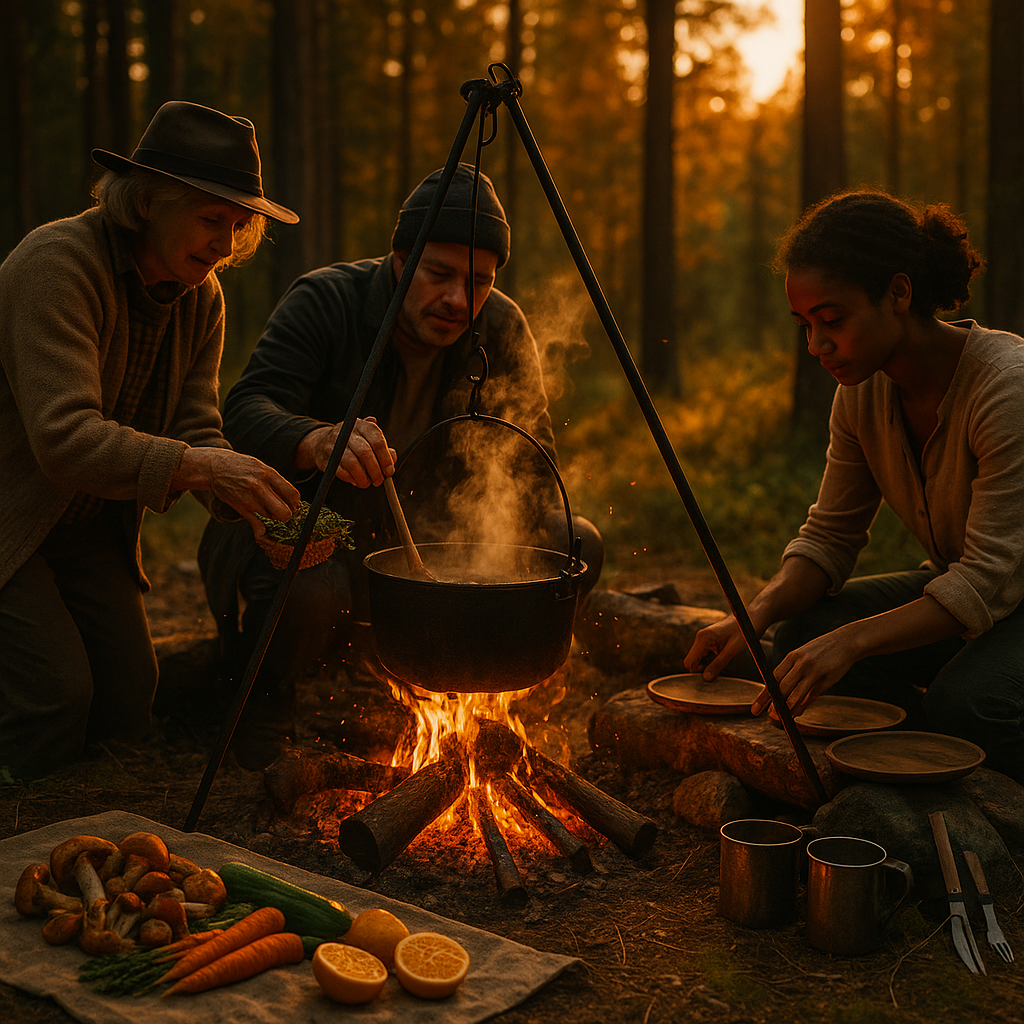
Each time we circle the fire and prepare food, we join one of humanity’s oldest stories. Cooking outside is never just about feeding ourselves; it’s about weaving a new narrative, a shared chapter in which ingredients, setting, and company become inseparable.
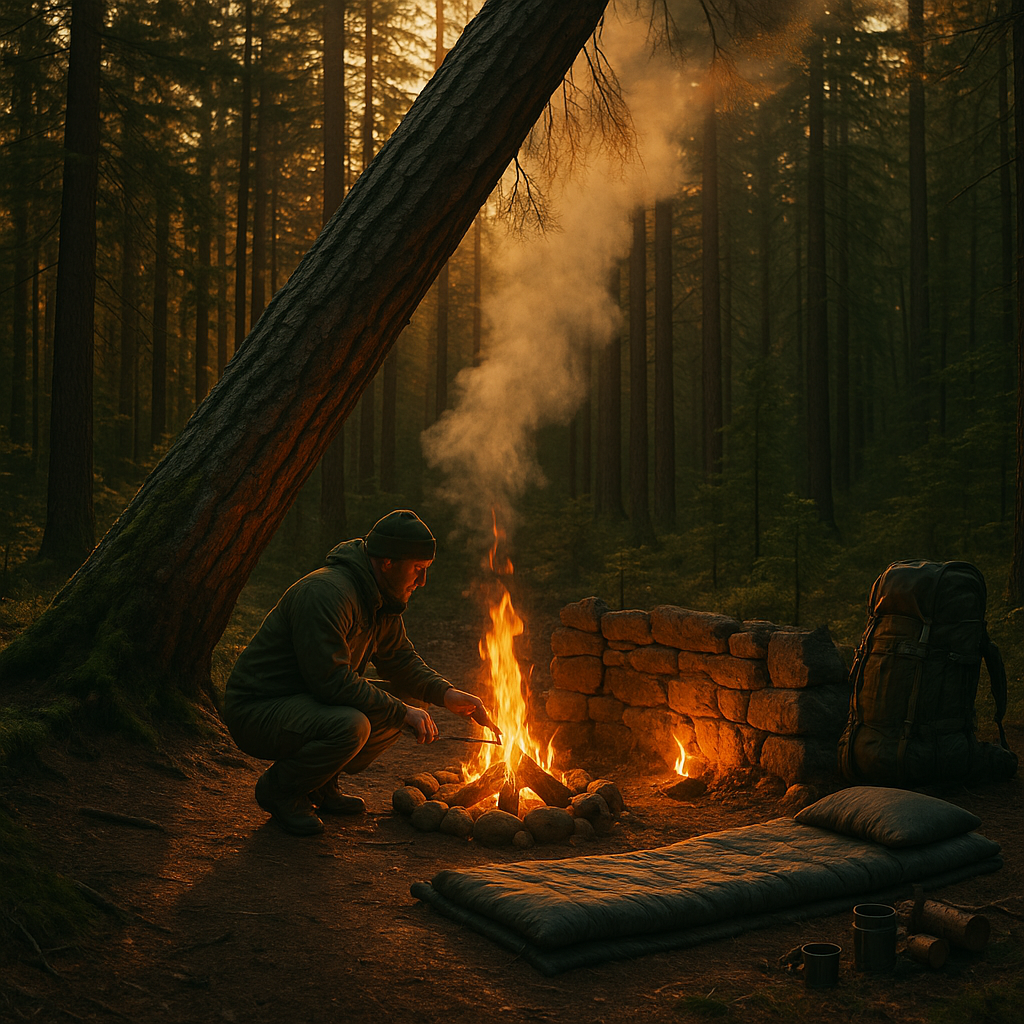
The adventure begins long before anything touches the fire. It starts with the trek to a chosen spot, the search for wood, the careful stacking of kindling, and the first sputtering spark. Every step holds its own stories: a hidden trail leading to a lookout, wood gathered after a rainstorm, laughter echoing as damp twigs finally catch flame. These moments lay the foundation for the meal, imbuing it with rich context.
As the fire builds, communal rhythms arise naturally. One person tends the flames, another preps vegetables, a friend fashions makeshift seats from stones. Roles emerge spontaneously, often without a word spoken. Around the fire, ancient patterns of communal preparation return, reinforcing a sense of shared belonging.
One traveler, Eliza, a wilderness photographer met in Wyoming, recalled, “The most memorable meal I ever had wasn’t technically perfect. It was trout from that afternoon, a little overcooked, but shared with strangers who became friends as we waited out a mountain storm under tarps. We still swap recipes by email years later.”
Such stories illustrate how meals in wild places forge connections rarely achieved elsewhere. Away from modern distractions and expectations, cooking becomes a vehicle for vulnerability and discovery. Conversations take new directions, laughter comes easily, and the act of sharing a meal opens doors to authentic connection.
More than tradition, fireside cooking becomes a ritual. It is an act imbued with reverence for the simplicity and abundance that nature offers. Many cultures honor fire as a transformative element and food as a sacred gift. When these meet in wild surroundings, the experience can transcend nutrition, touching a place of deep gratitude and belonging in the human spirit.
The narrative ripples outward. Each meal under open sky tells the story of ingredients foraged or purchased locally, the challenges overcome, and the evolving relationships among cooks and companions. These stories endure long after the ashes are cold. They turn meals into touchstones that bond and inspire for years to come.
Embracing Nature and Place
Open-ended cooking is deeply rooted in a conversation with the land. Each wild setting offers its own palette of possibilities; it’s about honoring what survives and thrives in the local ecosystem. The significance extends far beyond adventurous foraging; it’s also about appreciating the foods native to each landscape and the wisdom embedded in local tradition.
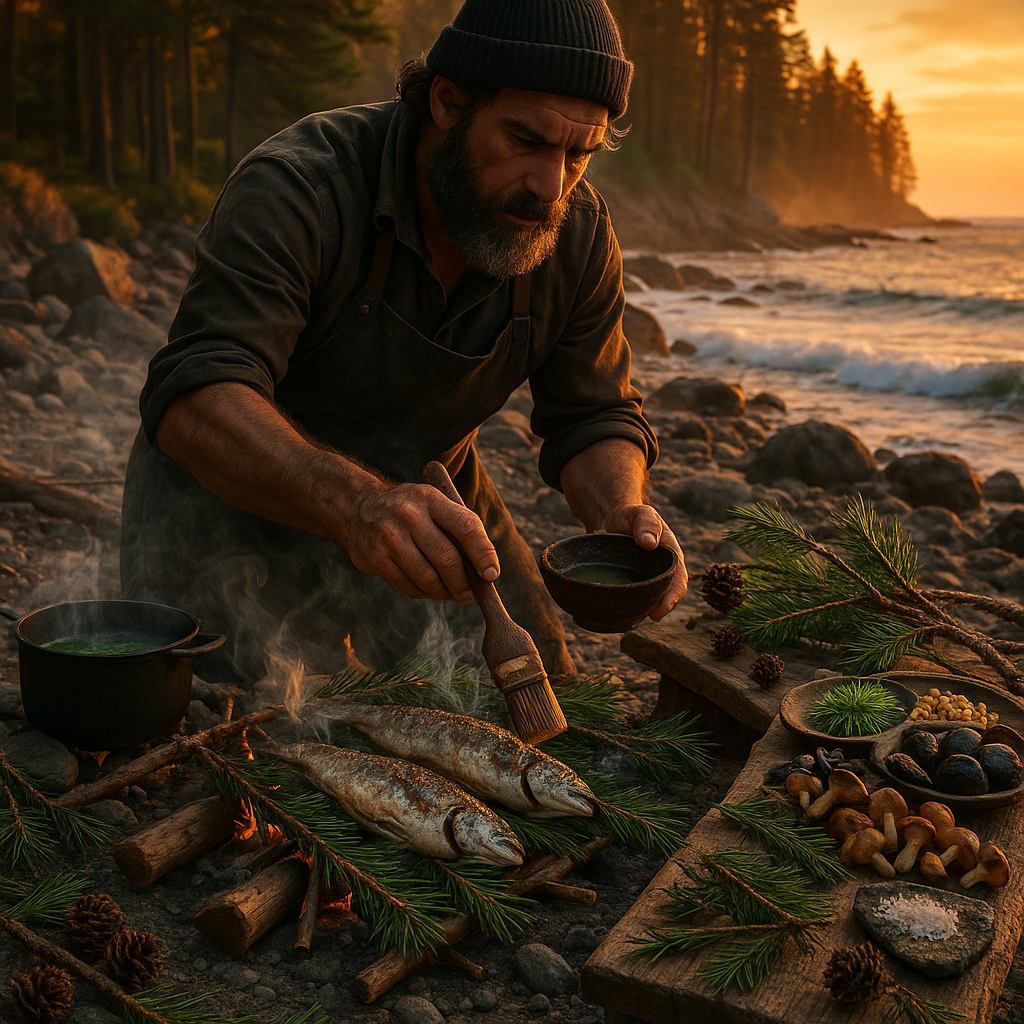
In coastal regions, seafood and wind-borne herbs become the meal’s core. On mountain passes, wild berries or root vegetables might inspire a stew or dessert. Desert landscapes encourage water-wise recipes built around grains, legumes, or dried fruits. Every setting whispers its own inspiration for the menu.
Consider Marco, a chef who plans his journeys around seasonal harvests. When huckleberries peak in the Northwest, he sets out to backpack, letting these wild flavors inspire both route and menu. His cooking doesn’t just include the berries. It celebrates them, letting the land shape the experience.
Stay Sharp. Stay Ahead.
Join our Telegram Channel for exclusive content, real insights,
engage with us and other members and get access to
insider updates, early news and top insights.
Join the Channel
Embracing the seasons turns cooking into a moving celebration:
- In spring, meals may feature tender greens and first shoots.
- Summer feasts burst with abundance, from wildflowers to sun-ripened fruit.
- Autumn calls for sturdy roots and slow-cooked dishes that warm chilly nights.
- Winter brings preserved treasures and creative uses of simple ingredients.
Terrain and weather direct not just what’s cooked, but how. Rocky encampments suggest stone-lined pits for slow roasting; seashores encourage buried clambakes; dense forests bring distinct flavors from species of wood used for the fire. Coastal winds, mountain rain, or desert heat each nudge cook and meal in new directions.
Attuning to weather and craving, like choosing warming broths for a blustery evening or crisp, refreshing salads for a sunlit hike, invites personal well-being into the rhythm of nature. Rather than following a pre-written menu, wild cooking means responding to the world in front of you.
Through this relationship, meals become more than sustenance. They become living reflections of place. To eat what the land offers, in the way the moment inspires, is to absorb the spirit of landscape. It transforms admiration into a sensual, embodied connection.
The Beauty of Imperfection
The true magic of wilderness cooking unfolds in its unpredictability. Rain might dampen your kindling, wind can steal heat from the fire, or unexpected companions may double your table. These uncertain moments reveal the heart of open-ended recipes.
Wilderness meals always bear the marks of their making. Food comes from the flames tinged with the honest signature of process (a bit of char here, a spontaneous burst of flavor there, rustic shapes molded by limited tools). These “imperfections” are in fact badges of authenticity. Each one is evidence of a meal created in lively partnership with the natural world.
Tomas, a backcountry guide in Colorado, once spent hours attempting a Dutch oven birthday cake at high altitude. “Unpredictable heat, untested ingredients, and the thin air made something barely recognizable as cake. But eating it as the last light touched the mountains, my client called it the most meaningful birthday she’d had. Its imperfection was the soul of the celebration.”
Such stories are common for those who cook outdoors. The flatbread that is mashed by accident but becomes the favored meal, the stew deepened by hours waiting out rain, the feast salvaged after wildlife claims your supplies—all become the most cherished memories.
Open-ended cooking encourages this spirit of creative adaptation. With no pressure for “picture-perfect” plates, you are free to experiment: try wrapping food in wild leaves, smoking over different woods, or using makeshift utensils. Each attempt, regardless of outcome, builds an inner reserve of techniques and memories that no written recipe can provide.
The lesson is clear. The beauty of imperfection is not just in accepting mishaps, but in welcoming them as part of the adventure. Meals made outdoors are not meant to be flawless; they are intended to nourish, to spark laughter, and to create a sense of awe for both the cook and the fortunate guests sharing the meal.
Fireside Cooking Across Cultures and Industries
While the spirit of open-ended cooking is deeply rooted in outdoor adventure, its impact and influence span diverse fields and traditions. Around the world, cultures have long celebrated meals prepared over open flames, from Moroccan tagines simmering over desert coals, to Scandinavian bread twisted on sticks by lake shores, to Asian street foods transformed on charcoal grills. Each tradition infuses the ritual with local flavors and stories, reminding us of the universal power of food cooked outdoors.
In the worlds of hospitality and travel, experiential dining centered around fire has become a trend. Wilderness lodges, glamping resorts, and eco-tourism destinations invite guests to participate in cooking their own meals in natural settings. Slowly, this philosophy seeps into community-based tourism, education (through outdoor cooking workshops), and even wellness retreats that use fireside feasts to foster connection and mindfulness.
Beyond food, open-ended approaches inspire creative problem-solving in countless industries. In healthcare, practitioners can draw inspiration from adaptability, responding in real time to shifting patient needs. In environmental science, the practice of sourcing and cooking local ingredients exemplifies a sustainable mindset, reinforcing principles of resource stewardship. Educational programs use open-ended cooking to teach children and adults alike about resilience, collaboration, and the value of experimentation. Even marketing can borrow from this ethos, designing immersive culinary events that invite customer participation and memorable moments.
The spirit of wild, unscripted cooking reminds us that every field thrives when creativity, local wisdom, and the willingness to embrace imperfection are valued.
Conclusion
Open-ended recipes are much more than a culinary technique. They are invitations to rediscover our innate connection with fire, food, and the wild places that shape us. By stepping beyond rigid rules and letting sensory intuition guide us, each meal becomes a living dialogue with landscape, weather, and community. In this space, fireside cooking transforms basic sustenance into storytelling, layering every bite with memory, presence, and meaning.
Embracing imperfection, savoring unpredictability, and responding to nature’s cues restore authenticity to our relationship with food and with each other. Every fireside meal is both a story and an adventure, each obstacle a fresh lesson, and every shared feast a tribute to raw beauty and honest connection.
Looking to the future, those willing to invest in this philosophy (whether on a mountain trail or within broader communities) will help redefine what it means to eat, to teach, and to connect. The next generation of food lovers, explorers, teachers, and innovators can draw on the open-ended approach: embracing change, celebrating local richness, and savoring the imperfect beauty of what nature and adventure provide.
So gather with kindred spirits around the fire. Leave expectations behind, and taste the freedom that open-ended cooking offers—a feast for the soul, seasoned with wonder, belonging, and the limitless possibility of the wild.

Leave a Reply