

Key Takeaways
-
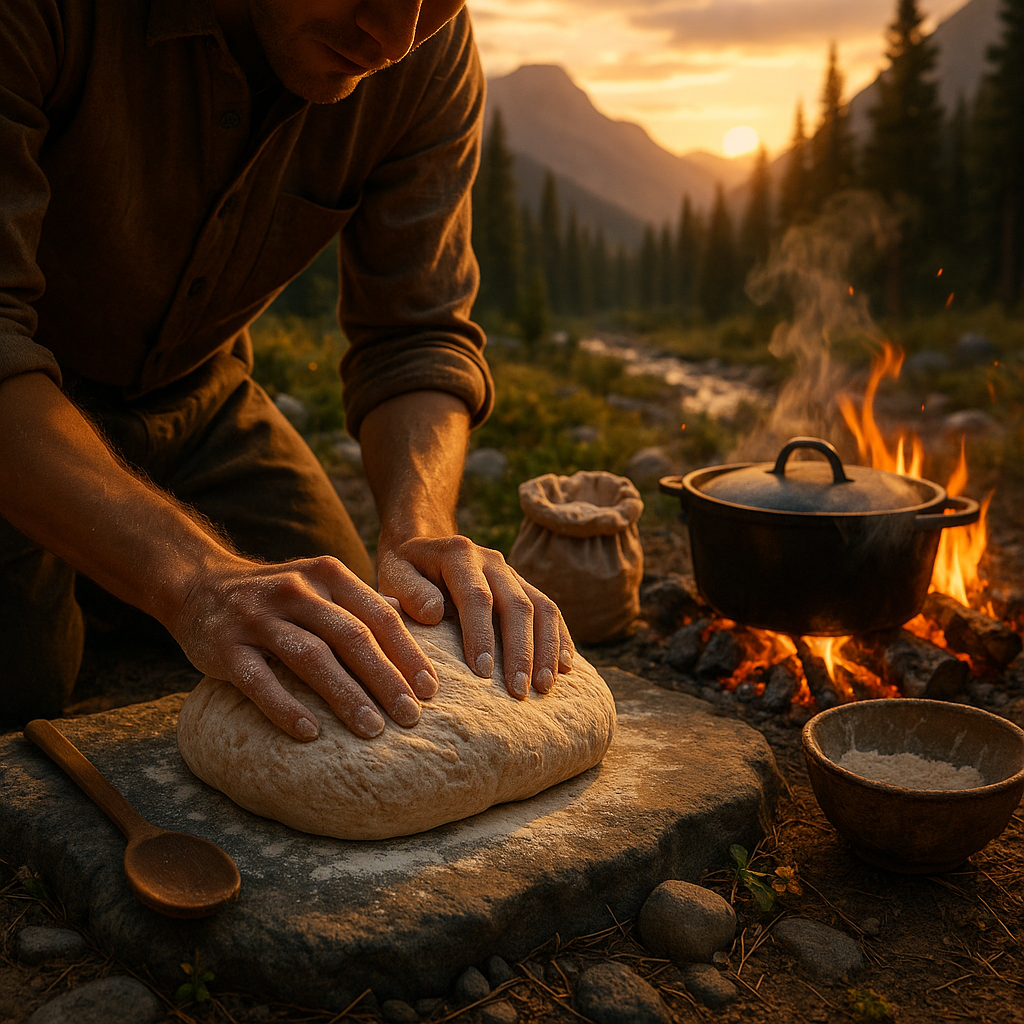
Story-based cooking invites us to redefine our relationship with food, turning humble acts like baking bread in the wild into memory-rich adventures full of sensory detail and personal meaning. By merging narrative with elemental cooking, we create meals anchored in both landscape and story, sparking wonder and fueling deeper connection.
-
Infusing every meal with story and place means baking weathered bread outdoors becomes a tapestry of memories. Each ritual, from kneading dough with chilled fingers to watching dough rise by firelight, ties together the wind’s edge, the scent of earth, and the flicker of flames, transforming food into a living, evolving narrative.
-
Elemental cooking forges authentic connection. Stripping back to essentials (flour, water, fire) rekindles appreciation for the origins of nourishment, grounding every bite in the rhythms of nature and reminding us that flavor is inseparable from the setting that shapes it.
-
Adversity becomes flavor’s secret ingredient. The wild introduces variables such as weather, uneven heat, and makeshift tools, making every loaf an embrace of imperfection and a tribute to resilience. Each challenge echoes the unpredictable beauty that both wilderness and life deliver.
-
Inviting ritual and reflection into adventure, story-based cooking encourages us to pause and savor. The sound of crust cracking, the warmth of shared bread, and the act of baking itself prompt reflection on journey and place, fostering connection with fellow travelers through simple acts of creation.
-
Rediscovering the wonder in the everyday shows that even modest bread, baked beside a river under twilight skies, can awaken awe. Ordinary ingredients yield profound experiences when rooted in story and shared among companions amid nature.
Let these key takeaways guide your exploration of story-based cooking, where every crack in the crust and whiff of woodsmoke become a chapter of a larger adventure. It’s a journey to savor, long after the bread is gone.
Introduction
A simple loaf of bread, born from flour, water, and wildfire, can carry the taste of a distant morning or an untamed ridgeline more powerfully than any written recipe. Story-based cooking draws us deeper, inviting us to knead memory, place, and adventure into every crumb until the crackle of crust becomes the soundtrack of riverside dawns and wind-chilled campfires.
To bake weathered bread in the wild is to embrace more than mere survival. It is a ritual, fusing hand, heat, and earth, where adversity becomes flavor’s partner, and imperfection a storyteller’s touch. By intertwining narrative and elemental technique, we rediscover wonder, transforming simple meals into epic tales that linger far beyond the dying glow of campfire embers.
The Philosophy of Story-Based Cooking
In the wilderness, cooking transcends routine and becomes a deeply personal narrative. Story-based cooking is not defined by the final dish alone. Instead, it finds richness in the journey unfolding around the fire. Baking bread under an open sky invites us to write new chapters. It’s a tale of connection, adaptation, and awakening of the senses.
Stay Sharp. Stay Ahead.
Join our Telegram Channel for exclusive content, real insights,
engage with us and other members and get access to
insider updates, early news and top insights.
 Join the Channel
Nature strips cooking to its core. Without the order of a modern kitchen, we learn to interpret the language of fire, the moods of wind, and the altitude’s effect on leavening. Each environmental variable becomes a character in the evolving story, sometimes a helpful guide, sometimes a stubborn foil. Even a sourdough starter that has traveled miles in your pack takes on a personality, requiring attention like an old friend.
During my first attempt to bake bread on a high plateau in Montana, the dough resisted rising in the mountain’s cool air. This “failure” birthed a relationship with place. I nestled the bowl under my jacket, sharing my warmth until life returned to the dough. This moment was more than problem-solving. It was an ongoing dialogue between baker, bread, and landscape.
The unique power of outdoor cooking is its unpredictability. Unlike the rigid control of indoor kitchens, wilderness baking invites the delight of serendipity: a sudden storm that forces you to improvise, a chance encounter with a local who shares wild grains, or notes of mountain pine smoke that give the crust a signature all its own. These moments transform every loaf into a legend you’ll recount for years.
Food has forever been a vehicle for human connection. Around ancient fires, our ancestors did more than cook; they celebrated, shared tales, and marked milestones with communal feasts. Baking in wild places immerses us in this tradition, crafting food that feeds body and spirit while renewing our bond with nature and each other.
The Emotional Journey of Bread Making
Every wilderness bread-baking adventure follows a classic story arc. There is anticipation as you gather ingredients, laying out flour on a sun-baked stone or a leafy log. Tension rises with mixing and kneading. Will the unpredictable wild cooperate with your bread’s quiet alchemy?
Tending the dough becomes an act of attention and presence. In the hushed wait as dough slowly rises, wilderness speaks: birds call, wind stirs, scents shift. This waiting transforms into meditation, offering a stillness rarely found in domestic kitchens.
The climax arrives when you commit dough to flame. Whether sliding it into a Dutch oven scattered with coals or shaping it onto stones heated by fire, you surrender to the invisible magic unfolding beneath the lid. The air thickens with the primal aroma of baking bread mingled with woodsmoke and moss. Soon, the crackle of crust promises the story’s resolution.
The true reward is far greater than a perfect loaf. Every sense is engaged: your hands recall the dough’s weight and stretch; your nostrils record the fermentation’s subtle tang and the fire’s perfume; your ears remember the sizzle and pop. These moments form what psychologists call “episodic richness”—a memory rooted in touch, scent, taste, and sound.
First-timers are often surprised by the emotional depth of wilderness bread making. What starts as a test of endurance (“Can I bake without an oven?”) becomes a lesson in patience, a journey in reading the land, and an invitation to cherish imperfection. As one baker shared after her inaugural loaf in the Cascades, “I didn’t just learn to make bread. I learned to listen, slow down, and let the wilderness teach me joy in the unexpected.”
From Kitchen to Campfire: Transforming Recipes into Adventures
Taking bread from the kitchen’s certainty to the wild’s unpredictability is a leap that transforms the cook. Traditional recipes prioritize precision: measuring to the gram, controlling every variable. Outdoor baking, by necessity, celebrates flexibility, intuition, and creative adaptation.
Start by simplifying recipes. Opt for styles that require fewer ingredients and can forgive lapses in timing or temperature. Flatbreads, bannock, or high-hydration loaves are naturally more adaptable than finicky brioche or artisan baguettes. Treat each recipe as a guide—a rough map rather than step-by-step GPS directions—leaving space for the wild to shape your results.
Environmental adaptation quickly becomes your most valuable skill. Weather impacts fermentation just as much as activity planning. A humid summer forest may hasten rise times. In a dry alpine valley, you may nestle the bowl inside your coat or tent, letting your body’s warmth help the yeast along. Each adjustment weaves the landscape into the equation, making every attempt unique to time and place.
Equipment choices become critical. At base camp, a Dutch oven might be worth the extra weight, but on a cross-country trek, resourcefulness is essential. Lightweight mixing bowls, multipurpose utensils, and collapsible gear soon find their way into the experienced baker’s pack. Some invent new methods (using two nested pans for an oven effect or twisting dough around sticks for artisan campfire bread) that carry the mark of hand and flame.
This willingness to adapt transforms both bread and baker. Sourdoughs that are routine at home evolve wilder flavors in open-air fermentation. Unexpected changes shift the loaf’s texture or taste, becoming stories to savor and tales to share with fellow adventurers. Each bake, influenced by wild yeast, shifting temperatures, and local ingredients, becomes a one-of-a-kind expression of the place, the weather, and the cook’s own ingenuity.
Elements of Wilderness Bread Making
The classic elements—fire, water, air, earth—reveal new significance when bread is crafted outdoors. These aren’t just ingredients or utilities; they’re collaborative forces woven through every stage of the process.
Fire is the heart of wild baking, both tool and teacher. Without the consistent heat of a home oven, a cook learns to read the colors and sounds of flame. Bright new embers burn hot and fast, while deep coals offer steady, radiant warmth perfect for bread. Learning to build and manage a fire, to modulate its energy by moving coals or building reflectors from stones, becomes central to the baker’s craft.
Stay Sharp. Stay Ahead.
Join our Telegram Channel for exclusive content, real insights,
engage with us and other members and get access to
insider updates, early news and top insights.
Join the Channel
Water, often overlooked, expresses the character of place. Mountain streams lend a mineral nuance to dough, unique to their source. Scarcity conditions inspire creative conservation, teaching new methods that may enrich home baking long after the journey ends. For some, dew gathered on tent fabric has become the secret ingredient in a memorable loaf (a story and flavor impossible to replicate anywhere else).
Air is the unseen force, affecting everything from dough’s rise to temperature management. At altitude, leavening progresses at its own pace, teaching patience and humility. A loaf shaped beside a breezy river will differ from one baked in a dank forest hollow. Not just chemistry but climate and weather impart their touch, making each bread distinct.
Earth, finally, shapes the experience from start to finish. Wild grains foraged or gifted by locals might be added to flour, literally rooting the bread in landscape. Heated stones or earthen surfaces substitute for pans, infusing bread with mineral traces and rustic texture. Even the surface where dough is kneaded, maybe a smoothed boulder or a driftwood plank, adds to the story, grounding every loaf in a tangible sense of place.
These elemental collaborations make wilderness baking sacred and unforgettable. Each loaf becomes a record of a specific day and ecosystem, a blend of personal effort and nature’s caprice, ancient wisdom and present-moment awareness.
Essential Techniques for Open-Air Baking
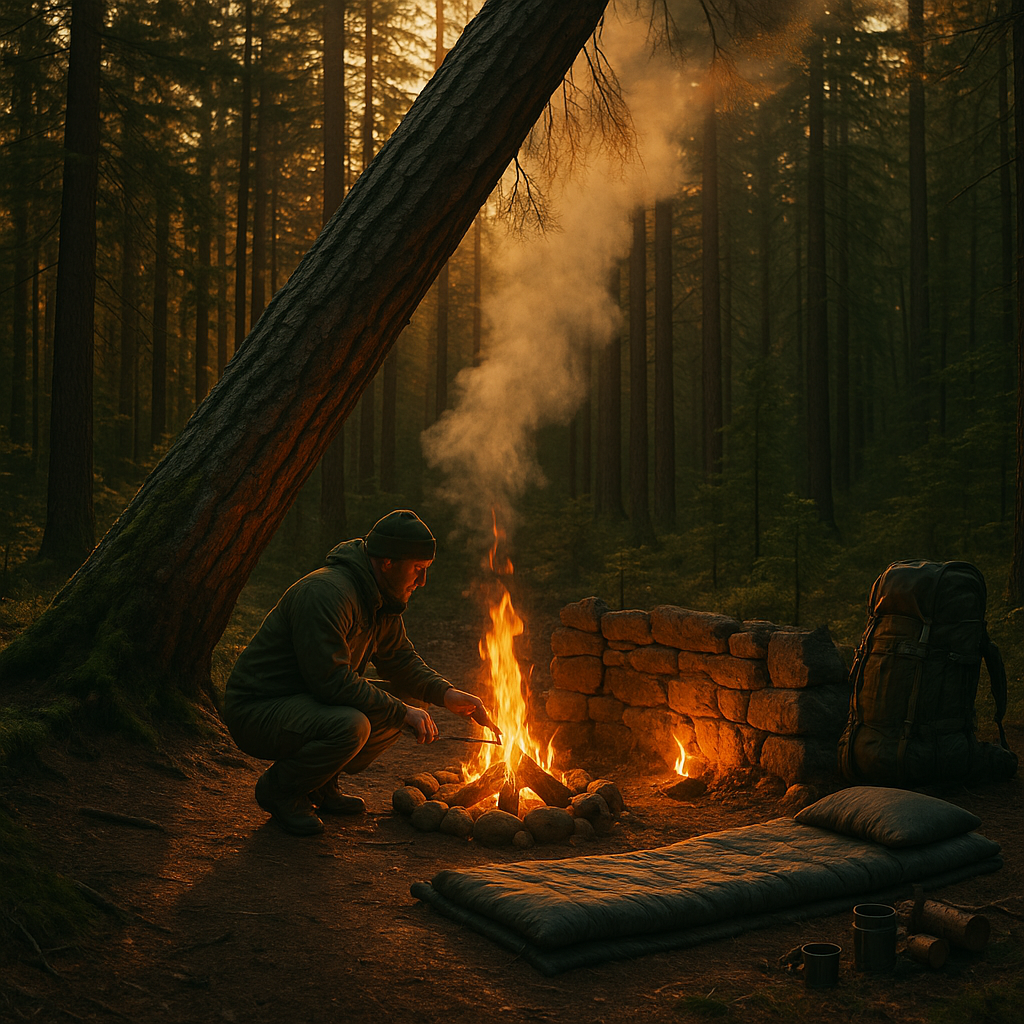
Mastering fire management is crucial for effective wilderness baking. Savvy outdoor cooks learn to create heat zones, using the hottest area for initial “oven-spring” and gentler peripheries for finishing the bake without scorching. Building a reflective fire wall with stones increases radiant heat, promoting even results while conserving fuel. Such knowledge elevates fire from a blunt tool to a precision instrument.
Adapting dough is equally important. Higher hydration doughs are forgiving, compensating for fluctuating temperatures and humidity. Rather than over-relying on visual cues, experienced bakers develop a feel for readiness; dough that offers gentle spring-back even in thin mountain air may be perfectly fermented, even if it appears less voluminous than at sea level.
Creative techniques abound. In addition to classic loaves, try twisting dough around branches for smoky breadsticks or embedding wild herbs and seeds for local flavor. Use available surfaces, like cast iron or flat stones, to experiment with texture and crust. Each method brings its own set of challenges and stories, inviting curiosity and surprise with each bake.
Wilderness bread making is equal parts ancient ritual, practical skill, and sensory adventure. It challenges us to connect and to adapt, ensuring every meal is memorable, unrepeatable, and deeply rooted in moment and place.
Real-World Applications Across Diverse Fields
The philosophy and techniques of story-based, elemental cooking extend far beyond the wilds of campfire bread, offering resonant lessons for other industries and fields.
In healthcare, culinary therapy programs harness the power of mindful, sensory-rich cooking to support patient healing and emotional well-being. Outdoor retreats that include bread baking connect patients with nature, fostering resilience and reflection—a reminder that simplicity and connection can be restorative.
In education, immersive cooking activities taken outdoors inspire curiosity, teamwork, and environmental stewardship among students. Learning to adapt recipes to changing conditions encourages problem-solving skills and creativity, essential traits in both the classroom and life.
In marketing and consumer experiences, brands are tapping into the authenticity and emotional appeal of story-based food journeys. Campaigns that feature authentic outdoor cooking or communal bread sharing by a campfire evoke a sense of wonder and connection, resonating with adventure-seeking audiences and building deeper brand loyalty.
For hospitality and tourism, wilderness cooking excursions are rapidly gaining popularity. Guided baking experiences under open skies allow travelers to rediscover simplicity while forging connections with place and culture. This approach embodies a shift toward experiential travel over passive sightseeing.
Even in environmental science, community food projects that tie cooking techniques to the land foster appreciation of sustainable practices, local sourcing, and conservation-focused stewardship. Baking bread with foraged ingredients can teach lessons about biodiversity, seasonality, and respectful resource use.
These varied applications illustrate the universal appeal and transformative potential of story-based, elemental cooking. By transcending the boundary between food and narrative, between technique and environment, communities and industries alike rediscover the power of connection, authenticity, and shared experience.
Conclusion
Story-based cooking in the wild transforms each loaf into a living chronicle shaped by the land, the weather, and the cook’s willingness to adapt. Every campfire, sudden rain, and makeshift tool becomes part of a tale that bridges ancient rituals with the unpredictable vitality of modern adventure. True perfection is found not in flawless technique, but in the sensory weave of memory, resourcefulness, and shared moments seasoned by nature.
By embracing the wild as both canvas and collaborator, wilderness baking renews our intimacy with the world. It invites us to slow down, listen deeply, and savor each stage of creation. In this setting, meals become more than sustenance. They are stories, explorations, and invitations to discover beauty in imperfection.
Looking forward, those who bring the ethos of story-based, elemental cooking into their lives and work (whether in food, travel, education, wellness, or beyond) will shape a future rich in authenticity and connection. The next great adventures will belong to those who not only taste life beyond the ordinary, but also share it, story and all. The real challenge is not just to bring bread to flame, but to kindle a lasting sense of wonder and belonging in every experience you create.

Leave a Reply