

Key Takeaways
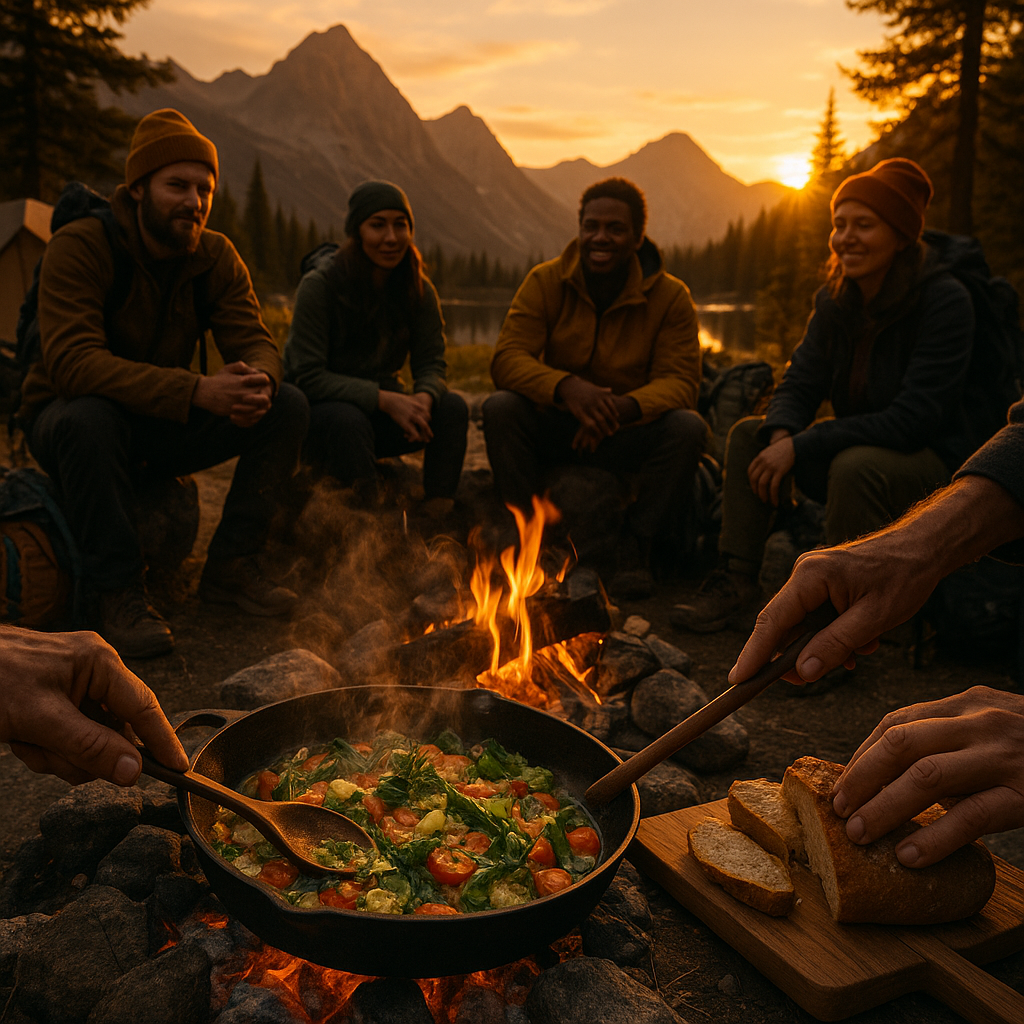
- Revitalize body and soul with elemental meals. Fire-cooked dishes enjoyed after a hike offer nourishment that goes beyond just satisfying hunger. These meals restore energy, deepen your bond with the environment, and elevate simple ingredients into soulful sustenance that lingers long after the last bite.
- Transform landscapes into open-air dining rooms. Sharing a meal framed by expansive valleys, riversides, or beneath a forest canopy enriches every bite. The scenery embeds itself into the memory, making the act of eating inseparable from the wild places that surround you.
- Spark deep connections through shared fireside moments. Cooking and eating around a fire creates space for honest conversation and laughter. These shared rituals foster camaraderie among fellow explorers, strengthening friendships and crafting the kind of memories that drape themselves warmly over future adventures.
- Let simplicity awaken true flavor. Preparing food outdoors with minimal tools encourages unhurried rhythms, allowing authentic, elemental flavors to shine. The aroma of woodsmoke, the playful sizzle of fresh ingredients, and the comforting crackle of the fire all heighten the sensory experience.
- Honor place and tradition through mindful feasting. Every meal shared in the wild becomes an act of respect. By sourcing local, seasonal ingredients and treading lightly, you celebrate the spirit of the landscape and preserve the untamed beauty that makes these experiences possible.
- Capture sensory memories that outlast the journey. The smoky warmth of fresh bread, the hint of salt carried on a mountain breeze, and the golden glow of sunset illuminating your plate—these are the moments that imprint themselves deeply into the heart, outlasting even the longest trail.
Within these pages, discover stories, practical tips, and recipes to transform your post-hike meals into legendary fireside feasts. Each meal becomes a celebration of earth, fire, and freedom. As you plan your next adventure, let its final chapter be written in unforgettable flavors and wilderness wonder.
Introduction
After hours spent tracing winding trails and chasing distant horizons, sometimes the finest reward isn’t the summit itself. It’s the gathering around a lively fire, where post-hike meals are crafted under an open sky and savored in the quiet awe of wild places. There’s undeniable magic in turning humble ingredients into a feast as the sun dips and the world takes on golden hues. Each bite becomes a story, seasoned by woodsmoke and laughter.
A meal cooked over fire after a long hike feeds more than tired muscles; it weaves lasting connections between people, place, and moment. These elemental feasts invite us to slow down, engage every sense, and honor both journey and landscape. In these settings, food is more than sustenance. It is an open-hearted ritual, one that you carry home long after the embers cool. Let’s explore how the humble post-hike meal can become the soul of your wilderness adventures, blending nutrition, wonder, and indelible memory.
The Essential Elements of Perfect Post-Hike Meals
Stepping off the trail marks a threshold: boots unlaced, hunger sharpened, senses awakened. This is when the post-hike meal becomes more than a necessity. It transforms into a moment of restoration, reflection, and celebration—a bridge between the exertion of the journey and the serenity of arrival.
Stay Sharp. Stay Ahead.
Join our Telegram Channel for exclusive content, real insights,
engage with us and other members and get access to
insider updates, early news and top insights.
 Join the Channel
First and foremost, an exceptional post-hike meal replenishes the body. After the physical demands of hiking, your body craves a nourishing balance: complex carbohydrates to restore spent energy, lean proteins to repair and rebuild muscle tissue, and healthy fats to sustain fullness. Whether a bowl of hearty lentil stew or freshly grilled fish, the nutritional profile is key to addressing what the trail has taken.
Yet, the best meals do more than refuel. They awaken the psyche. Imagine the anticipation as the sun sets and the aroma of food cooking mingles with pine needles, moss, and distant water. These moments grant you space to slow down, recount the journey, and welcome the reward with every sense engaged.
Most importantly, post-hike meals are deeply communal. Cooking beside a crackling fire draws companions together, transforming small talk into storytelling and solitude into tranquility. Shared food becomes a social anchor; the circle around the fire becomes a gathering of explorers who, for a moment, are joined in gratitude and awe.
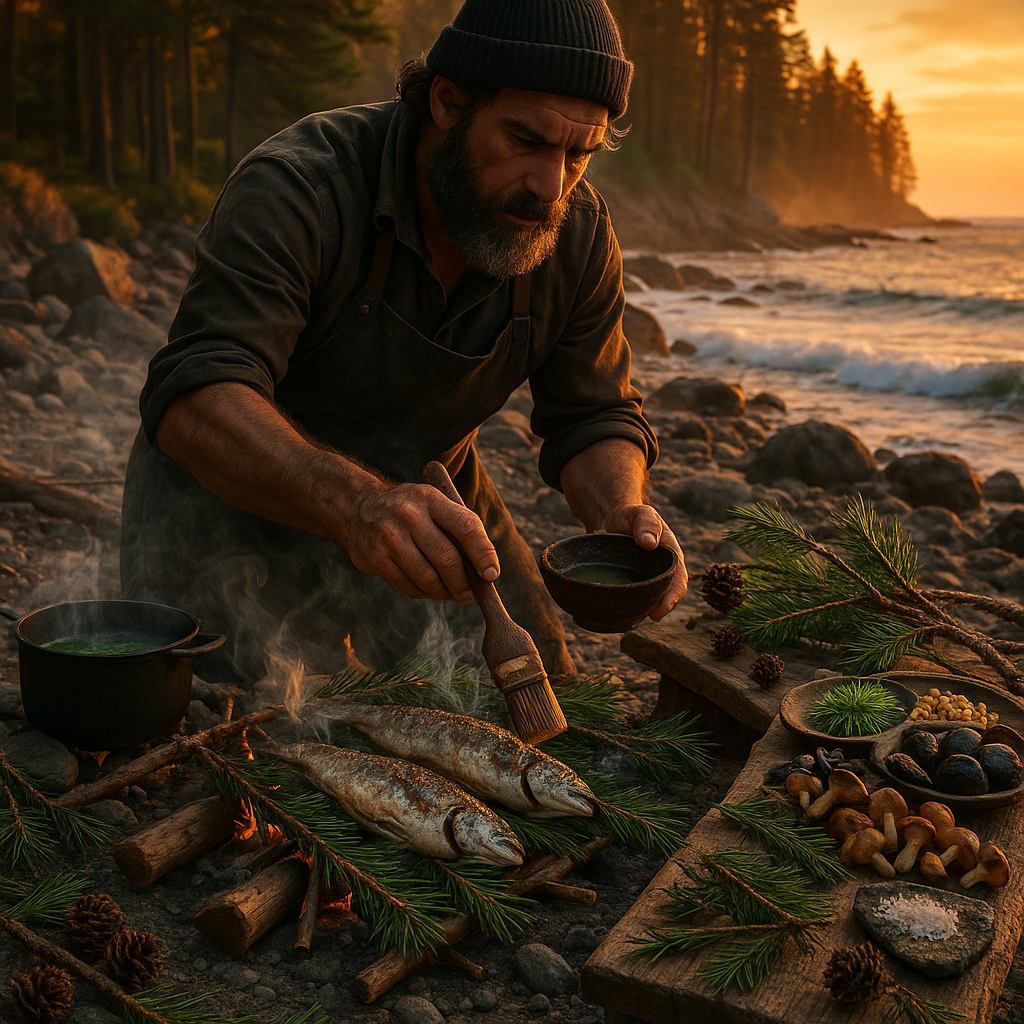
Finally, these wilderness feasts are distinguished by their mindfulness toward time and place. Some meals cleverly incorporate foraged berries, wild mushrooms, or herbs found along the trail. Others pay homage to regional culinary traditions, or simply honor the landscape through locally sourced, seasonal ingredients. By attuning your meal to your environment, eating becomes an act of reverence. It’s a way to recognize the gifts of the land and create rituals that resonate far beyond the campsite.
Fire-Cooking Fundamentals for Wilderness Feasts
The ritual of cooking over fire is as old as storytelling itself. While the wilderness offers a sense of freedom, mastering fire-cooking fundamentals lays the groundwork for comfort, safety, and flavor at journey’s end.
Mastering Flame Management
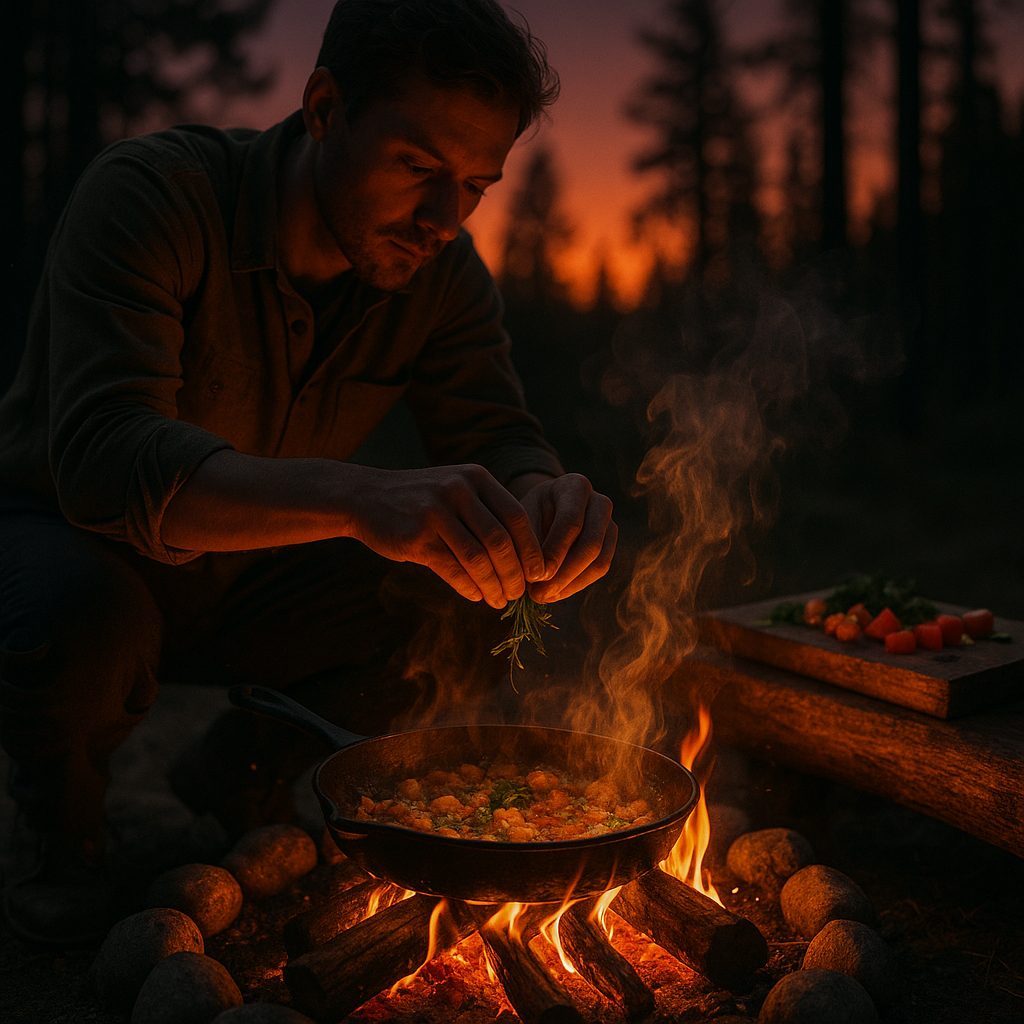
Cooking with fire is an active collaboration with the elements. Different flames provide different outcomes: the roaring heat of open flames produces exceptional sears and boils water quickly, while the mellow, radiant energy of banked coals ensures even, controlled cooking. Learning to create heat zones (placing food directly over the flames for speed, or off to the side for gentle simmering) brings versatility to your outdoor kitchen.
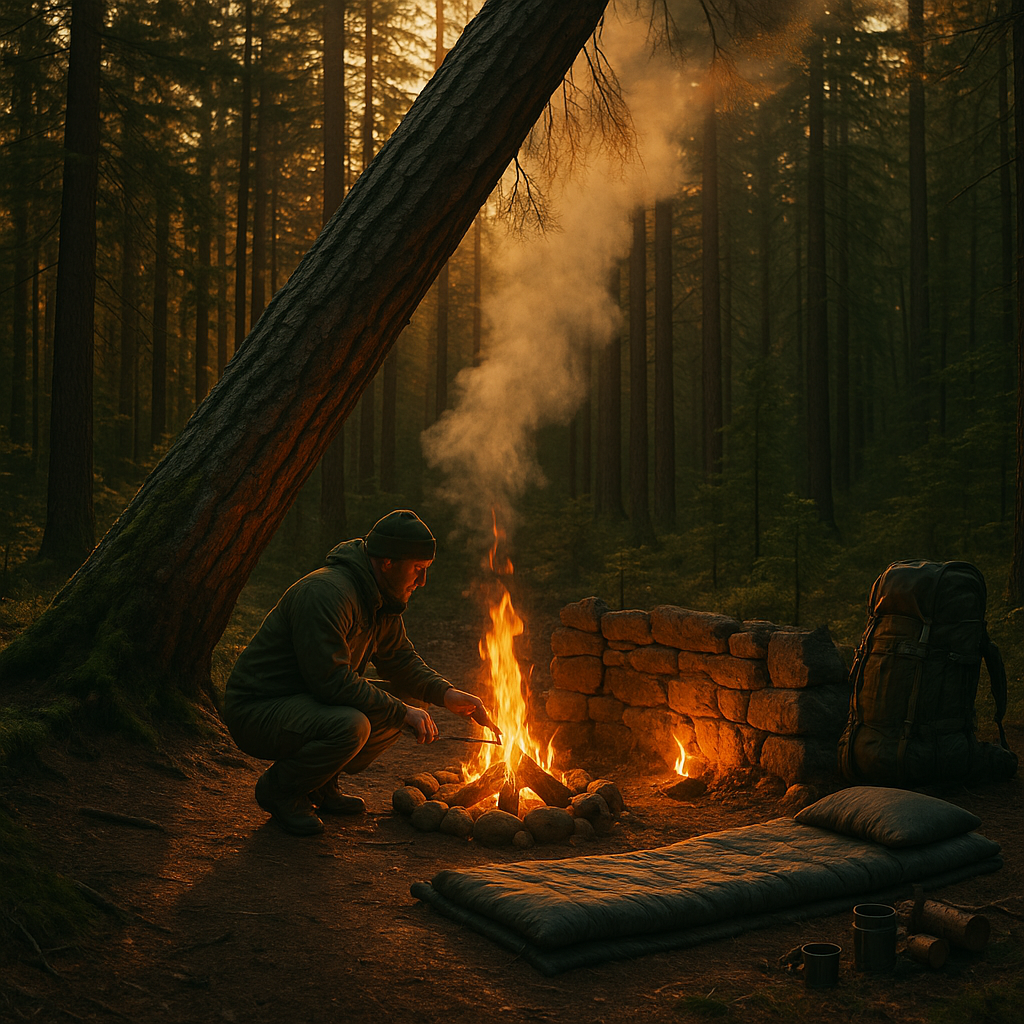
The rhythm of the fire guides your meal. Use split logs to corral embers for steady heat, or arrange stones to shield certain dishes from gusts of wind. You’ll soon find that reading the fire’s language (its sounds, colors, and movements) becomes as intuitive as reading the landscape that surrounds you.
Essential Wilderness Cooking Equipment
In the wild, every tool must earn its place. The cast iron skillet is a classic favorite for its even heat, tough-as-nails reliability, and adaptability. While it may be heavy on long treks, many adventurers happily hike the extra mile for its versatility.
For those who count every ounce, nesting cook sets provide multiple options: lightweight pots and pans that fit snugly together, often with matching bowls and utensils inside. Titanium or hard-anodized aluminum keeps the pack light without sacrificing cooking performance.
Don’t underestimate the value of a sharp knife, a sturdy long-handled spoon or spatula, and perhaps a collapsible grill grate for those moments when the fire alone won’t do. A careful selection of tools balances the desire for culinary creativity with the realities of carrying everything on your back.
Time-Tested Fire-Cooking Techniques
Fire-cooked meals need not be elaborate to be deeply satisfying. Packet cooking (wrapping ingredients in foil and tucking them into glowing coals) produces moist, flavorful results with minimal cleanup. Think fresh fish, root vegetables, or spiced fruits all steaming gently in their own juices.
Direct flame grilling puts flavor front and center, imbuing meats, vegetables, and even bread with intoxicating aromas and satisfying char. The secret is in the timing: stay attentive, turning food regularly for even cooking and to avoid burning.
Ember roasting takes patience but rewards with depth. Nestle whole potatoes, corn in husks, or even dough-wrapped stick bread among the coals. The heat envelops your food, drawing out rustic flavors that evoke ancient meals shared beneath open skies.
These techniques, crafted by generations before us, remain the backbone of memorable outdoor dining. As you gain confidence with fire, you’ll infuse each meal with tradition and a dash of adventure, setting the stage for meals that feel like celebration as much as sustenance.
To extend this foundation, thoughtful planning is essential for ensuring every meal at the end of the trail is as satisfying as the journey itself.
Planning and Preparing Memorable Post-Hike Feasts
Preparation is the hidden ingredient that transforms a good wilderness meal into an extraordinary one. By anticipating your needs, considering your route, and planning for magic moments, you turn every meal into a highlight worth savoring.
Stay Sharp. Stay Ahead.
Join our Telegram Channel for exclusive content, real insights,
engage with us and other members and get access to
insider updates, early news and top insights.
Join the Channel
Strategic Meal Planning for Different Hike Types
The nature of your adventure often shapes your menu. For day hikes, where weight and refrigeration are less pressing, you might bring pre-marinated meats, garden-fresh veggies, or a block of artisan cheese waiting in a cooler at your car or trailhead. Here, your outdoor meal becomes an extension of your culinary dreams—complex flavors, festive platters, and little luxuries that celebrate the moment.
When trekking over several days, every item packed must justify itself. Craft meals around lightweight staples: dried grains, dehydrated vegetables, nuts, seeds, and cured meats. Add bursts of flavor with spice mixes, olive oil packets, or hard cheeses that last without refrigeration. Reserve one meal as a special treat. Maybe a rugged wilderness cake, a packet of real coffee, or a flavorful stew that lifts tired spirits after a demanding day.
For special occasions (birthdays, anniversaries, or simply a sunset worthy of a toast), intentionally pack something meaningful. A tucked-away bottle, an old family recipe adapted for the trail, or ingredients that conjure the flavors of home can turn a meal into an anchor for cherished memories.
Smart Packing Strategies for Outdoor Cuisine
Great backcountry cuisine begins at home, in how you organize and store your provisions. Repack store-bought foods into reusable containers or lightweight bags to save space and minimize trash. Organize meals by day or type, using color-coded bags or simple labeling so dinner never feels elusive at the end of a long trek.
Choose ingredients with versatility in mind: olive oil (for searing, dressing, or a calorie boost), hard salami or smoked tofu (protein and flavor), tortillas (for wraps, flatbreads, or skillet pizzas), and compact spice blends (to transform oatmeal into chai, or beans into chili). A dash of something bold—a curry packet, sun-dried tomatoes, a wedge of chocolate—can elevate a simple dish into something you’ll dream about on the trail.
Preservation is also key: vacuum-sealed proteins, breathable cheese wraps, and leak-proof containers for eggs (pre-cracked for short trips) ensure you travel safely and eat well. When the weather is cool, you gain extra flex with ingredients; during hotter seasons, focus on non-perishables and clever substitutes.
Pre-Trip Preparation Techniques
Advance preparation turbocharges your trail cuisine. Pre-marinating proteins or rubbing roasts with herbs and spices yields meals just waiting for the fire. Par-cook grains and tough vegetables at home so they just need reheating at camp. Compound butters, flavored with garlic, citrus, or wild herbs, can be frozen and used to finish trail-cooked dishes, adding richness and flair.
Use reusable silicone pouches or wax wraps instead of single-use plastics for a planet-friendly approach that suits the wild ethos. Every bit of pre-planning lightens your work at camp and lets you focus on what matters: soaking in the serenity and sharing the feast.
Whether your wilderness menu is curated for efficiency or pure delight, a little intention makes every post-hike meal a source of comfort, gratitude, and awe.
Conclusion
A perfect post-hike meal is so much more than a way to refuel. It is a joyful, sensory celebration of journey, place, and shared presence. By meeting the body’s needs with balanced nutrition while honoring the land and its moment with mindful preparation, you transform outdoor cooking into a rich ritual of connection. Mastering fire-cooking techniques (bridging the timeless wisdom of ancestral methods with practical, modern gear) invites you deeper into the rhythms of nature and companionship.
With strategic planning and thoughtful pre-trip preparation, meals become highlights rather than afterthoughts. Each fireside feast is a tribute to the spirit of adventure, to the art of slowing down and savoring, and to the stories we carry home.
Looking ahead, the real joy and meaning will increasingly belong to those who embrace authenticity, honor the land, and elevate the ordinary into the extraordinary. As wilderness adventurers, food lovers, and modern explorers, your challenge is not just to hike farther, but to feast more soulfully and share the magic that emerges when earth, flame, and friendship meet. On your next adventure, let your fireside meal be an act of gratitude. For the miles walked, the friends gathered, and the wild freedom found under an open sky. Food. Fire. Freedom.

Leave a Reply