

Key Takeaways
When flames meet intention, whether on open earth or beneath the watchful eye of a kitchen pan, the resulting dance uncovers truths far beyond technique. This article explores the soulful parallels between wildfire experiments and mindful cooking, revealing how each practice invites us to slow down, remain curious, and welcome uncertainty. The following insights are spark-ready fuel for your next adventure, whether deep in the wild or within the heart of your home kitchen.
- Embrace the unpredictability of wildness and the kitchen: Both wildfire experiments and cooking meditation encourage us to relinquish total control, discovering beauty and insight in unpredictability. Mistakes transform from anxieties into opportunities for growth.
- Observation as a path to deeper awareness: Like scientists tracking the deliberate progress of a controlled burn, mindful cooks can turn their kitchens into laboratories of the senses, noticing subtle shifts in aroma, sound, and texture with a spirit of discovery.
- Patience: the unsung ingredient in science and cooking: Wildfire management teaches waiting, attentive monitoring, and thoughtful adjustment. Slow, intentional cooking rewards those qualities with richer flavors, deeper satisfaction, and a sense of accomplishment that cannot be rushed.
- Letting go of perfection sparks creativity: Whether in experimental cooking or wildfire research, the greatest value lies not in flawless results but in a willingness to adapt, play, and learn from the unplanned. Transforming setbacks into sources of inspiration.
- Cooking as meditation through surrender: Attending gently and openly to the act of preparing food makes even simple meals into grounding rituals. This mindful approach relieves stress and renews our sense of connection to ourselves and our environment.
- Wildfire experiments and mindful living: Shifting from control to collaboration, with fire, ingredients, or nature itself, opens doors to discovery, resilience, and awe. Each experience (scientific or culinary) builds our capacity to act with intention and adapt with grace.
As we journey on, these elemental encounters in both science and the kitchen invite us to welcome imperfection, transforming daily routines into mindful, meaningful moments under the open sky.
Introduction
Fire speaks a language older than words, flickering with uncertainty, possibility, and vitality. Standing close to its warmth, whether witnessing a controlled burn weave through wild lands or tending a quiet skillet in your kitchen, illustrates that true mastery comes not from control but from attentive surrender. Wildfire experiments and mindful cooking both invite us to observe deeply, adapt willingly, and discover beauty in the ever-changing.
Honoring the slow, intuitive rhythm of flame (by watching, listening, and noticing every subtle shift) guides us toward calmer awareness. Perfection fades into the background as curiosity takes center stage. Together, let’s explore how encounters with fire, from scientific inquiry in the wilderness to meditative moments by the stove, can teach us to embrace imperfection, cherish the present, and transform everyday routines into soulful rituals of discovery.
Stay Sharp. Stay Ahead.
Join our Telegram Channel for exclusive content, real insights,
engage with us and other members and get access to
insider updates, early news and top insights.
 Join the Channel
The Science of Wildfire Experiments
Understanding Fire Behavior
Wildfire experiments are fundamental to modern fire science, offering researchers a window into how flames behave, evolve, and interact with the landscape. Conducted in specialized facilities, these studies methodically adjust variables like wind, humidity, and fuel composition. Rather than striving for full control, scientists aim to observe and understand fire’s essential nature, yielding insights that inform forest management, urban planning, and ecological restoration.
Patience is central to this discipline. Years may pass before meaningful conclusions can be drawn about recurring fire patterns. This long-view approach parallels the patient philosophy embraced by mindful cooks, who understand that the best outcomes often require a willingness to wait and observe rather than rush the process. Each experiment becomes a lesson in humility, as fire’s unpredictable behavior often challenges even the most sophisticated models.
A fascinating dimension of wildfire study is fire ecology (the interplay between combustion and ecosystem health). Entire forests have evolved with fire’s presence: some pine species, for example, only release their seeds after exposure to heat. What seems destructive is, in many cases, essential for regeneration. This theme resonates strongly in the kitchen, reminding us that transformative processes can yield unexpected renewal.
The Role of Observation in Fire Management
Meticulous observation is at the heart of wildfire experiments. Scientists do not simply ignite and step away; instead, they apply a blend of advanced technology and acute sensory awareness to monitor everything from flame height and spread to heat and smoke composition. This deep attention echoes the core of meditation: to be fully present, without distraction.
Innovations such as thermal imaging cameras and drone-borne sensors provide real-time data, mapping heat flux and smoke dispersion across complex terrains. Still, the most skilled fire researchers rely just as much on their well-trained senses: they know how to detect subtle wind shifts, changes in the smell or color of smoke, and the nuanced sounds that reveal how a fire is evolving.
This marriage of technology and innate attunement leads to a rich, holistic understanding of fire. Mindful cooks can relate. While tools like thermometers and timers help, truly memorable food often results from engaging all the senses, recognizing when onions are perfectly caramelized by their aroma or when a loaf of bread has finished baking by the hollow sound it makes when tapped. In both fields, the skill of observation is the foundation for growth.
Adapting to Unpredictability
If wildfire studies have one constant lesson, it is that flames are inherently unpredictable. No amount of computer modeling or collected data can fully anticipate how a fire will react in the wild. This has driven a philosophy of adaptation over rigid control in modern fire management.
Prescribed burns, for instance, are designed not to stop fires entirely but to simulate nature’s cycles and encourage ecosystem health. By intentionally setting smaller, manageable fires, land managers help reduce fuel loads, minimize destructive wildfires, and foster resilience in plants and animals. This approach works with, rather than against, fire’s essential unpredictability.
The kitchen is no stranger to this mindset. Mindful cooks recognize the limits of recipes and instructions, preferring instead to work intuitively with evolving conditions (changing flavors, fluctuating ingredient availability, or unplanned kitchen mishaps). Suppressing all surprises or deviations often stifles creativity, much as eliminating all fires ultimately undermines forest health. True wisdom lies in understanding foundational principles, while allowing for flexibility and improvisation with each unique situation.
Industry applications abound. In healthcare, adaptive protocols are vital in emergency response, where variables can change by the minute. The finance sector must regularly recalibrate risk models in the face of unpredictable market forces. In education, teachers adapt lesson plans according to classroom dynamics, meeting learners where they are rather than rigidly sticking to a syllabus.
Mindfulness in Culinary Practice
Cooking as a Meditative Practice
When approached mindfully, cooking becomes more than a necessity. It is a form of moving meditation. The kitchen offers a haven for the senses, where attention shifts from mental distractions to the tactile, olfactory, and visual language of food. The process begins with intention: arranging ingredients, organizing a clean workspace, and setting a purpose for the meal.
The repetitive nature of cooking (chopping, kneading, stirring) grounds us in the present moment, much like guided meditative practices. Professional and home cooks alike often experience deep flow states while preparing food, where worries fade and the act of creation takes center stage.
Scientific studies affirm the restorative powers of such engagement. Hands-on, creative activities like cooking have been shown to activate relaxation centers in the brain, reducing stress and fostering a sense of accomplishment. This parallels findings in healthcare, where culinary therapy is increasingly used as a form of rehabilitation and stress reduction for patients coping with illness or trauma.
The Art of Patient Observation
Patience is a defining trait of mindful culinary practice. Great food can rarely be rushed; doughs must be allowed to rise, sauces given time to reduce, and flavors gently coaxed from raw ingredients. This patience is not passive but intensely observant, attuned to every transformation as it unfolds.
This mirrors the slow-motion vigilance of wildfire experiments. Researchers know that careful, sustained observation uncovers patterns others might miss. Likewise, cooks who take time to observe subtle changes (the golden color of shallots as they caramelize, or the transformation in texture as chocolate melts) build a deeper intuition for their craft.
To cultivate this patient attention, try focusing fully on a single aspect of a meal preparation. Observe how searing meat releases its aroma and sound, or how roasting brings new complexity to fresh vegetables. Record your discoveries, building a “sense memory” library akin to a fire scientist’s field notes.
Stay Sharp. Stay Ahead.
Join our Telegram Channel for exclusive content, real insights,
engage with us and other members and get access to
insider updates, early news and top insights.
Join the Channel
In other industries, patient observation underpins success as well. Legal professionals carefully review case documents over time to build persuasive arguments. Environmental scientists compile decades of field data to detect vital slow-moving ecological changes. Marketers study evolving consumer behavior patterns to craft campaigns that resonate with authentic needs.
Releasing Perfectionism at the Stove
The true freedom of mindful cooking comes from releasing the grip of perfectionism. Each meal, like every fire experiment, bears the signature of variables beyond our control. Ingredients shift, energy fluctuates, and even our mood can inflect the outcome. By treating these variables as teachers rather than threats, the process itself becomes the reward.
Experimental cooks deliberately challenge perfection by ditching recipes on occasion, improvising with what is available, and reflecting without judgment on the results. Every unexpected outcome becomes an opportunity to learn and spark creativity. This mirrors the openness of wildfire researchers, who expand their understanding with each unforeseen result.
In real-world terms, industries from tech to environmental science thrive on this growth mindset. Innovative companies encourage “failing forward,” turning unexpected outcomes into the seeds of future breakthroughs. Educators model resilience by weaving lessons from setbacks into richer, more adaptive curricula.
Try an experiment in your own kitchen: cook a meal using only ingredients on hand, allowing improvisation to guide your craft. Note the moments when judgment creeps in, and gently redirect your focus to the process itself. Over time, this builds intuitive skills and comfort with uncertainty, both essential for sustainable creativity.
Finding Connection Through Fire
The Elemental Power of Flames
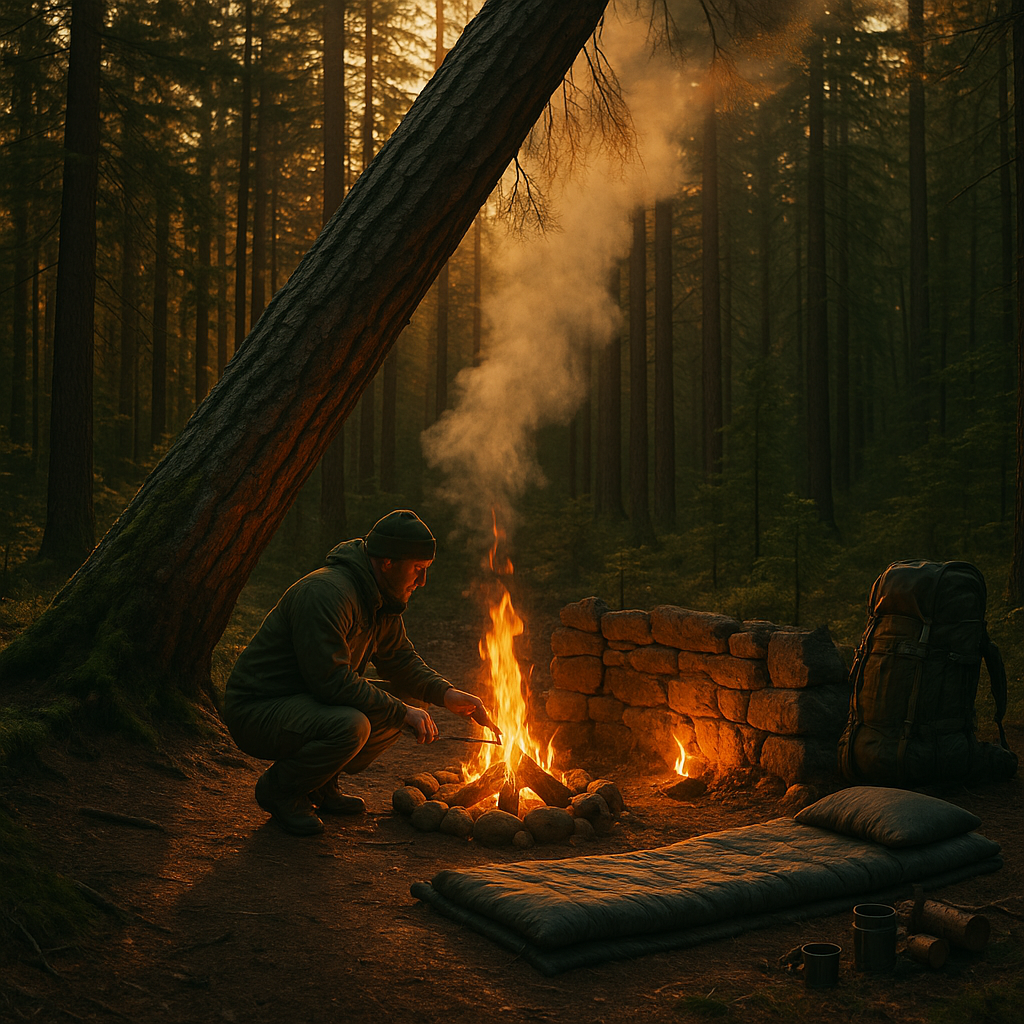
Fire’s primal magnetism is as old as human culture. Our ability to harness flame (for warmth, cooking, and community) has shaped societies for millennia. Today, whether tending a campfire in a remote landscape or controlling a restaurant’s gas stove, we remain linked to this ancient relationship.
Fire’s transformative essence is the common thread binding wildfire research and culinary practice. Flames alter the physical properties of both landscapes and food, transmuting raw matter into new states: ash and nutrients in an ecosystem, or deeply flavored meals on the plate. Participating in this process, we become stewards of change, collaborators in elemental alchemy, and storytellers at the crossroads of nature and culture.
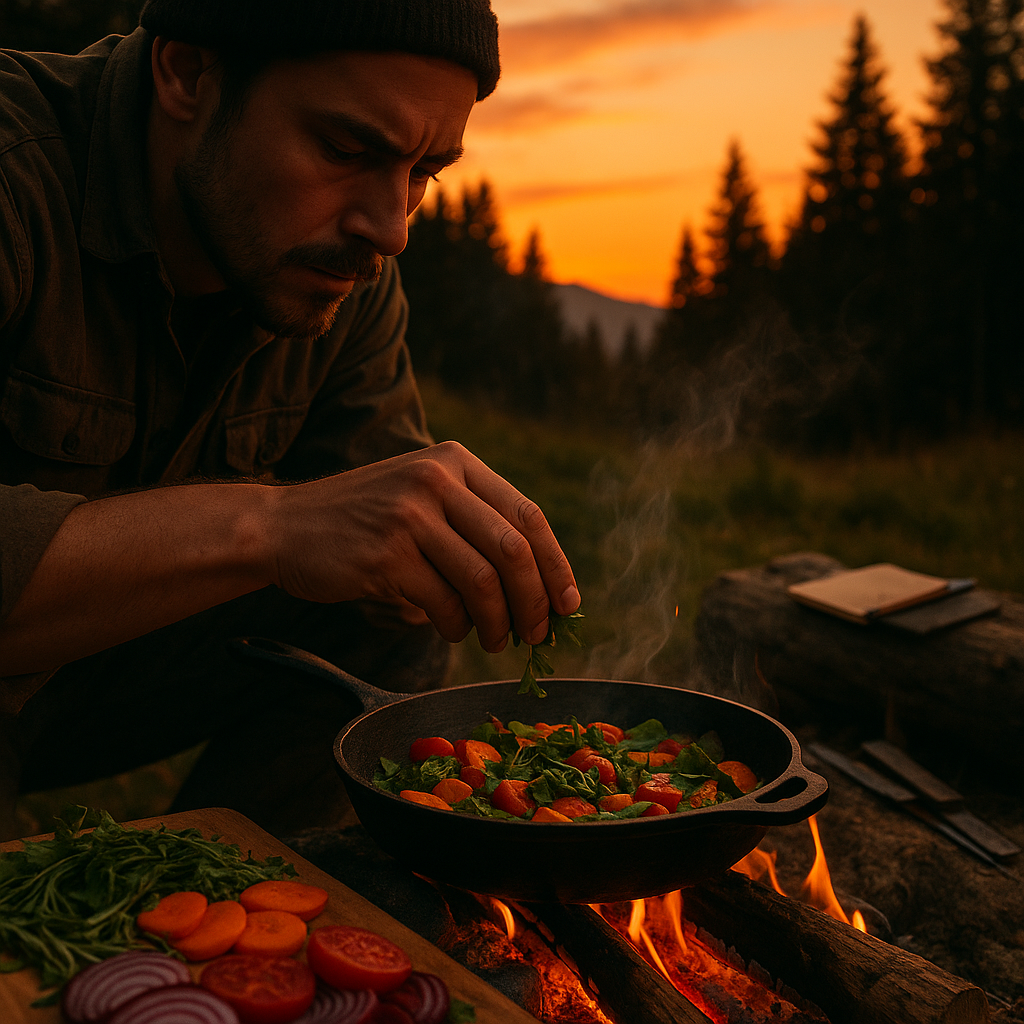
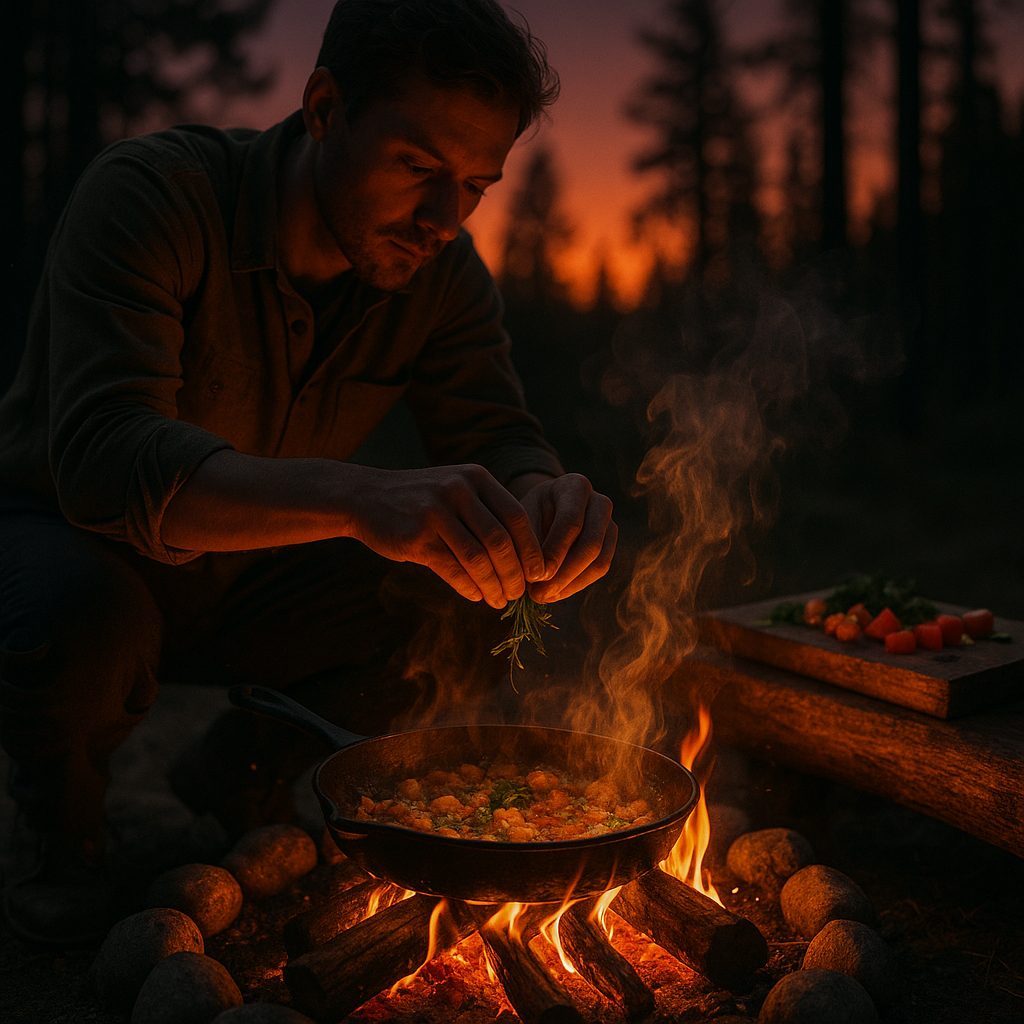
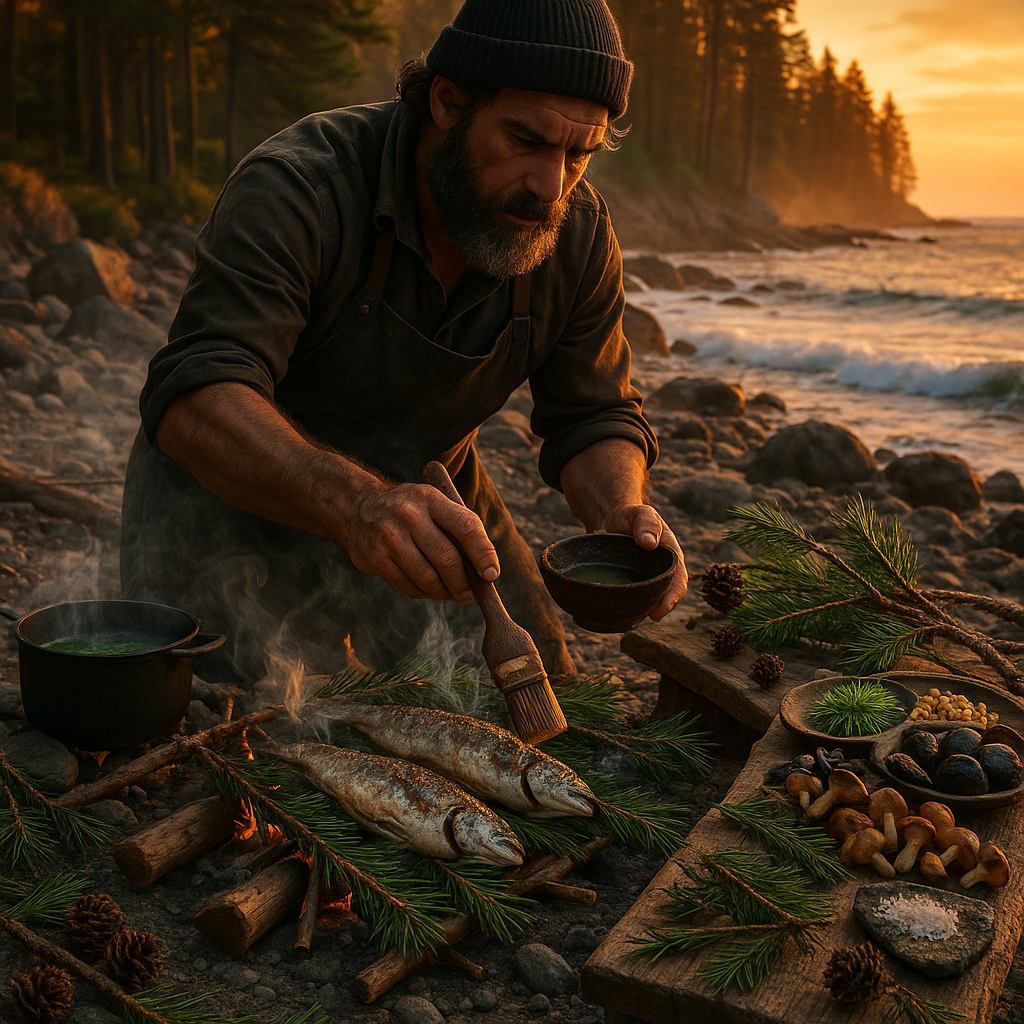
Recreating this elemental connection can be as simple as cooking a meal over open flame (perhaps toasting bread on glowing coals, searing vegetables, or grilling fish on cedar planks). It is a sensory experience that reminds us how cooking and eating are rooted in the natural world. This connection is echoed in indigenous fire stewardship, which treats flames as both an ally and a teacher, mirroring an approach to food that values respect and balance.
Community and Shared Experience
Knowledge of fire and food is fundamentally communal. Wildfire research builds on centuries of collective wisdom, integrating indigenous fire practices and the insights of contemporary scientists. Cooking, too, is a social art, passed down through families, shared in markets and festivals, and evolved in community kitchens across generations.
Gathering around food and flame builds bonds that cross time and culture. Lighting a cooking fire is an act of remembrance, linking us to ancestors who once gathered for warmth and nourishment beneath open skies. When wildfire researchers experiment on behalf of future generations, or home cooks teach their children to stir, there is a sense of continuity and belonging far beyond the present moment.
In other settings, from healthcare teams collaborating to optimize patient care to education professionals sharing best practices with colleagues, the communal aspect of learning and discovery is ever-present. In every field, sharing knowledge fuels progress and fosters a lasting sense of connection.
Organize a community meal or join a local outdoor cooking group to deepen this sense of belonging. Sharing stories and meals under the sky revives traditions and forms new, meaningful relationships anchored in simple pleasures.
Environmental Awareness Through Practice
Both wildfire experiments and mindful cooking cultivate deep respect for the natural world. Fire researchers gain intimate knowledge of ecosystems, learning which species depend on periodic burns for health and which landscapes require intervention. Similarly, mindful cooks become stewards of local resources, making conscious choices about what they source and how they prepare food.
This environmental awareness inspires us to minimize waste, honor natural cycles, and support regenerative practices both at the stove and in our communities. In finance, this translates to prioritizing sustainable investments; in marketing, it means championing brands that support environmental stewardship; in environmental science, it drives research that informs better natural resource management.
Taking time to learn about the origins of your ingredients or the history of a local landscape can spark a deeper appreciation for these connections. Whether minimizing single-use plastics in your kitchen or learning indigenous techniques for land management, each intentional action weaves us closer to the world around us.
Conclusion
The intricate parallels between wildfire experiments and mindful cooking reveal a profound respect for observation, patience, and adaptability in uncertain environments. By studying fire in the wild and nurturing it in the kitchen, we access not only knowledge and skill, but a deeper connection with ancient rhythms shaping human life and culture. Welcoming unpredictability (whether managing a prescribed burn, exploring a new recipe, or adapting to evolving circumstances) frees us from the confines of perfectionism and encourages us to discover beauty in every result.
Ultimately, this journey connects us to fire’s elemental power, to traditions that have endured through generations, and to the communities we nourish through shared experiences. When we embrace both scientific experimentation and cooking as acts of mindful presence, we return to what truly sustains us: attentive curiosity, collaboration, and reverence for the regenerative cycles of nature.
Looking forward, those who adopt this approach will not only rediscover the joy of simple, authentic moments, but also be better equipped to adapt, innovate, and thrive in a rapidly changing world. The real challenge lies not in mastering fire or food, but in learning how to let their unpredictable beauty guide us toward a life of genuine connection, adventure, and wonder. Where every meal and every moment becomes a soulful escape under the vast open sky.
slow food principles outdoors
mindful cooking sounds
intuitive flame cooking
indigenous fire stewardship
patience in cooking

Leave a Reply