

Key Takeaways
- Harness the land’s warmth for spontaneous feasts: By following the subtle cues of heat (whether from a sun-soaked rock, geothermal spring, or ember-laden campfire), explorers discover nature’s hidden kitchens, inspiring impromptu meals under open sky.
- Let the landscape dictate your menu: Heat-guided walks spark a sense of seasonal serendipity as foragers gather wild herbs, mushrooms, and roots, crafting meals that echo the land’s moods and bounty.
- Transform ordinary campsites into culinary frontiers: Every campfire or warmed earth patch offers a fresh invitation to experiment, blending primal cooking methods with the flavors gathered along the trail.
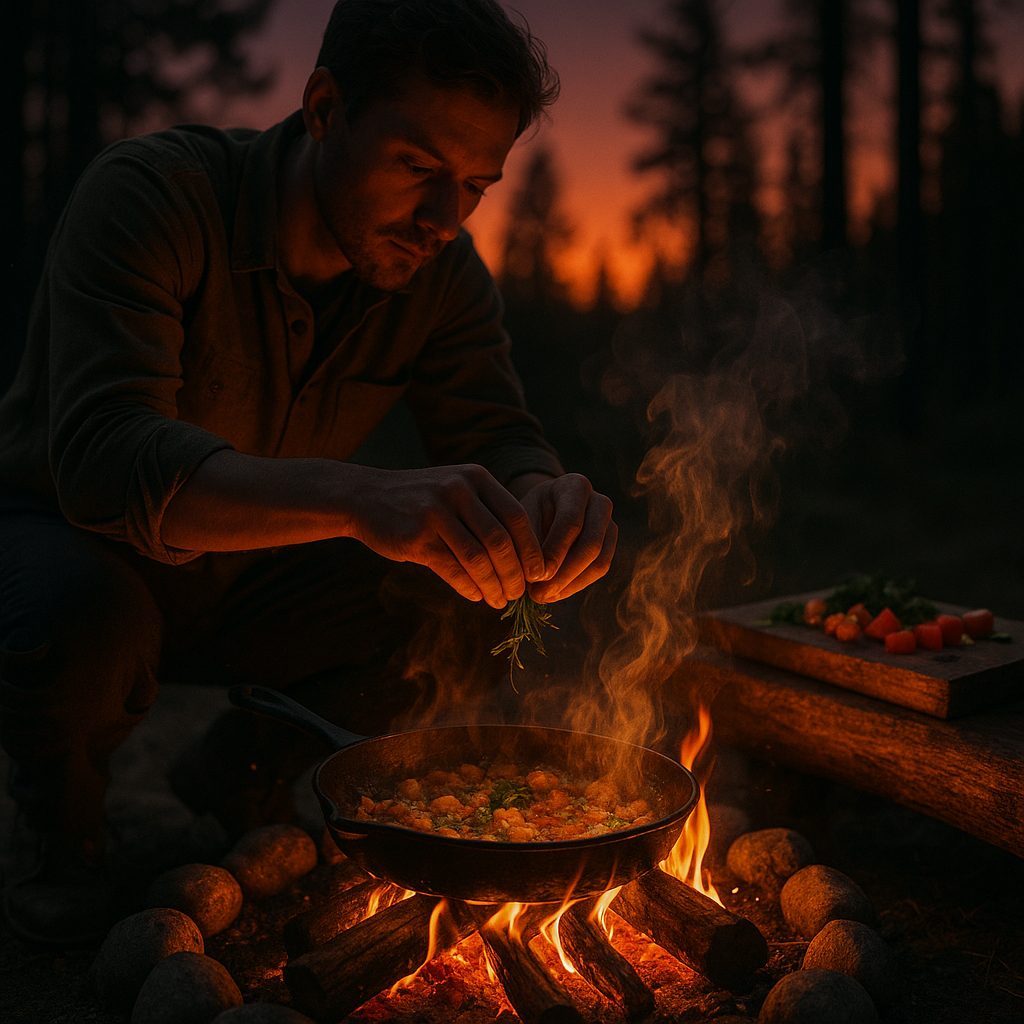
- Forge deeper bonds through shared firecraft: Preparing food together (kneeling next to steam vents, tending communal embers) encourages laughter, storytelling, and a sense of belonging woven by the rhythm of nature.
- Savor freedom in every wild-cooked bite: Outside the confines of recipe books and kitchen walls, heat-guided walks celebrate resourcefulness, improvisation, and the soulful pleasure of meals created by adventure itself.
Embracing heat-guided walks means venturing beyond paved paths and conventional kitchens, seeking those unforgettable moments where food, fire, and freedom converge. As you journey ahead, discover how to read the wild landscape, gather with intention, and turn every adventure into a feast worth remembering.
Introduction
Some trails lead to sweeping vistas, others to the hidden warmth of earth beneath wandering feet. A heat-guided walk transforms a simple trek into a wild culinary adventure where sun-warmed boulders, geothermal springs, or ember-lit clearings invite you to cook as nature intended.
By letting warmth guide your path and gathering flavors along the way, every campsite becomes an untamed kitchen. Meals reflect the mood of the landscape. They’re seasonal, spontaneous, and deeply rooted in their surroundings. The result transcends simple nourishment, becoming a ritual of shared discovery and connection where laughter and firelight flavor every bite.
This guide reveals how reading the land’s warmth can turn any journey into an unforgettable feast, forging bonds and memories that linger long after the last ember fades.
Stay Sharp. Stay Ahead.
Join our Telegram Channel for exclusive content, real insights,
engage with us and other members and get access to
insider updates, early news and top insights.
 Join the Channel
Understanding Heat-Guided Walks
A heat-guided walk is much more than a hike with food at the finish; it’s a deliberate, immersive journey that follows the thermal narrative of the land. Unlike traditional camping, where cooking happens at a designated spot, heat-guided walking transforms your entire route into a progressive culinary adventure. Instead of planning around a single fire, you let the landscape’s warmth direct your steps, your meals, and ultimately the depth of your connection to the environment.
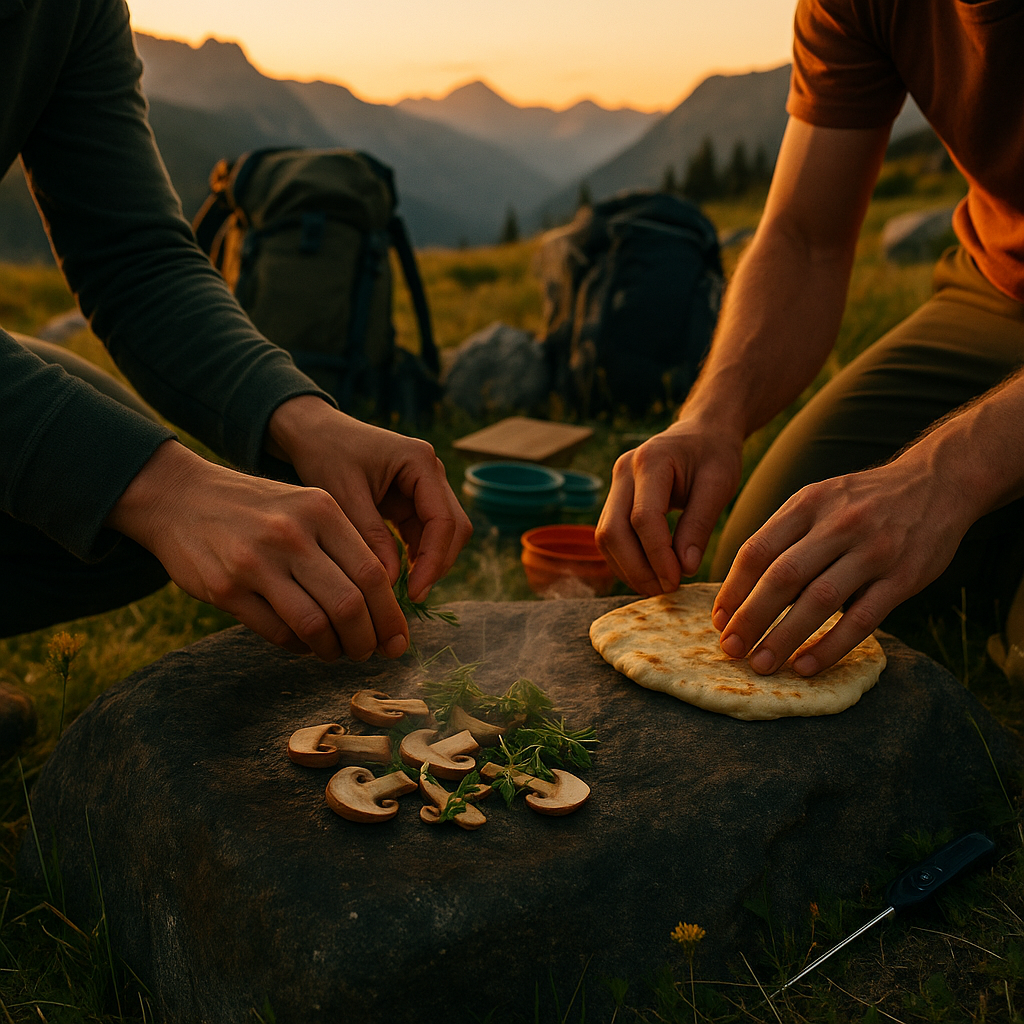
Seeing the wilderness through a thermal lens opens up countless possibilities. That sun-soaked granite ledge is not just a geological marvel but a potential oven for flatbread. Steaming pools in hidden valleys become natural sous-vide baths. Even sunlight dappling the forest floor creates spaces ideal for slow-drying foraged herbs or fruits.
This approach honors ancestral wisdom, echoing a time when survival depended on reading the land for warmth, food, and shelter. Our ancestors moved not only with their eyes, but with senses tuned to where warmth lingered and nourishment awaited. As veteran wilderness cook Alina Sato describes, “When you see the terrain as a map of thermal opportunities, you rediscover an ancient language of making do and making magic.”
Ultimately, heat-guided walks reintegrate food into the flow of exploration. Cooking is no longer an isolated task, but a natural extension of the journey. Meals morph in tandem with changing landscapes and shifting light. This seamless blending of movement, curiosity, and sustenance creates a more authentic, immersive wilderness experience, where the setting itself shapes what and how you cook.
Identifying Natural Heat Sources
Wilderness settings offer astonishing thermal diversity for those who know how to look. While rare direct fire sources like lightning-ignited trees, coal seams, or exposed volcanic vents capture attention, most cooking relies on subtler heat forms that abound in every ecosystem.
Solar Heat Traps
The sun is the most generous cook in the wild, creating heat traps that can reach surprising temperatures. Dark boulders (especially basalt or granite) may exceed 150°F (65°C) after a day in direct sunlight, plenty for cooking eggs, toasting bread, or even gently roasting fish.
Key solar traps to spot:
- South-facing rock faces in northern hemisphere locations (north-facing in southern hemisphere)
- Dark, sun-exposed stones (preferably with little moss or lichen cover)
- Natural stone bowls or ledges that hold and concentrate heat
- Pebble beds or sand patches heated for several hours
The gradual, gentle nature of rock cooking allows delicate flavors to shine, yielding bread with a subtle crust and fish that flakes at the press of a finger. In deserts or high-alpine zones, these solar ovens become even more impressive, quickly reaching temperatures for cooking and baking.
Geothermal Features
In geothermal regions or volcanic landscapes, the earth itself radiates heat. While major geysers and protected thermal features are off-limits, many less-traveled regions offer accessible, legal geothermal cooking spots:
- Steam vents where vegetables or roots can be gently steamed
- Hot springs for slow-cooking eggs, corn, or chunks of tuber in waterproof bags or nets
- Mud pots and mineral mud beds, maintaining steady low temperatures, suitable for slow-cooking tougher cuts of meat or legumes
- Warm streams, perfect for pouch-poaching fish or infusing fresh-picked herbs into wild teas
Geothermal cooking grants dishes distinct mineral undertones, with subtle sulfur or earth flavors that root your meal squarely in its place of origin. It’s truly a sensory signature of wild lands.
geothermal fire cooking brings time-honored indigenous techniques into the modern wild, where safety, tradition, and inventiveness go hand-in-hand. Learning to leverage such geothermal features expands your culinary world dramatically—often with nothing more than a heat-proof bag or a grasp of local geology.
Residual and Biological Heat
Lesser-known heat sources include the slow burn of decomposition and the microclimates created through natural processes:
- Decomposing leaf litter on dense forest floors, providing low, steady heat. This is ideal for fermenting or keeping food warm
- Lava flows (cooled yet still warm for years) acting as slow-roasting beds for roots or tubers
- Heat from large animal dung, especially in historically migratory regions, which can be used (as many nomadic cultures still do) for slow-cooking or smokey flavor infusion
- Seasonal thaw edges where ice meets warming soil, producing gentle heat perfect for dough proving or yogurt-making
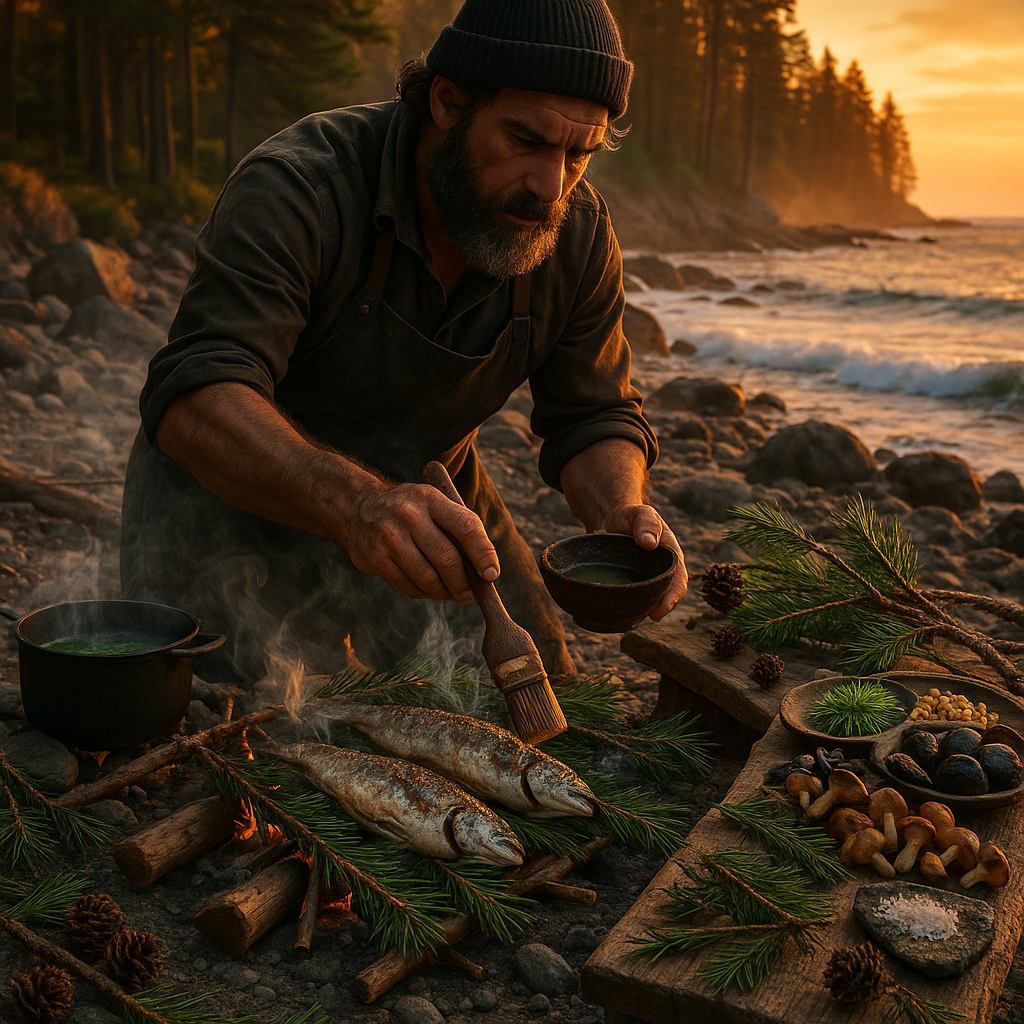
Each ecosystem—from coastal tide pools ideal for salt-crusting fish, to alpine snow fields radiating high-altitude sun, to humid forests with their protected warmth—offers its own thermal signature. Learning to spot these subtle cues opens doors to a culinary wilderness most travelers pass by.
In other domains, such as survival medicine, this knowledge of natural heat sources can aid in providing essential warmth, sterilizing water, or even supporting improvised wound care. In the context of environmental science, understanding heat cycles is vital in studying microclimates and their impact on biodiversity.
Planning Your Heat-Guided Route
Success in heat-guided walks lies in thoughtful, intentionally crafted routes that harmonize with the land’s daily and seasonal rhythms. Unlike traditional treks, here your destination is dictated as much by source of warmth as by scenery or shelter.
Begin by studying topographical maps and local guides, focusing on features that indicate thermal potential: south-facing outcrops, exposed flats, volcanic markers, or watercourses with known warm springs or pools. Layer these insights with weather forecasts, noting sun angles, expected wind, and recent precipitation. Each factor shifts available warmth dramatically.
Stay Sharp. Stay Ahead.
Join our Telegram Channel for exclusive content, real insights,
engage with us and other members and get access to
insider updates, early news and top insights.
Join the Channel
Timing the Thermal Cycle
The best meals emerge when your steps track the sun’s arc or the land’s geothermal patterns.
- Early mornings: Seek east-facing slopes or rocks that catch dawn’s first rays. Perfect for warming last night’s dough or gently drying harvested greens.
- Midday: Traverse open terrain as solar intensity peaks, capitalizing on superheated rocks or sand for quick-cook foods.
- Afternoons: Scout for boulders or slabs that have absorbed sun all day. These stay hot even as shadows creep in, perfect for baking bread or roasting root veggies.
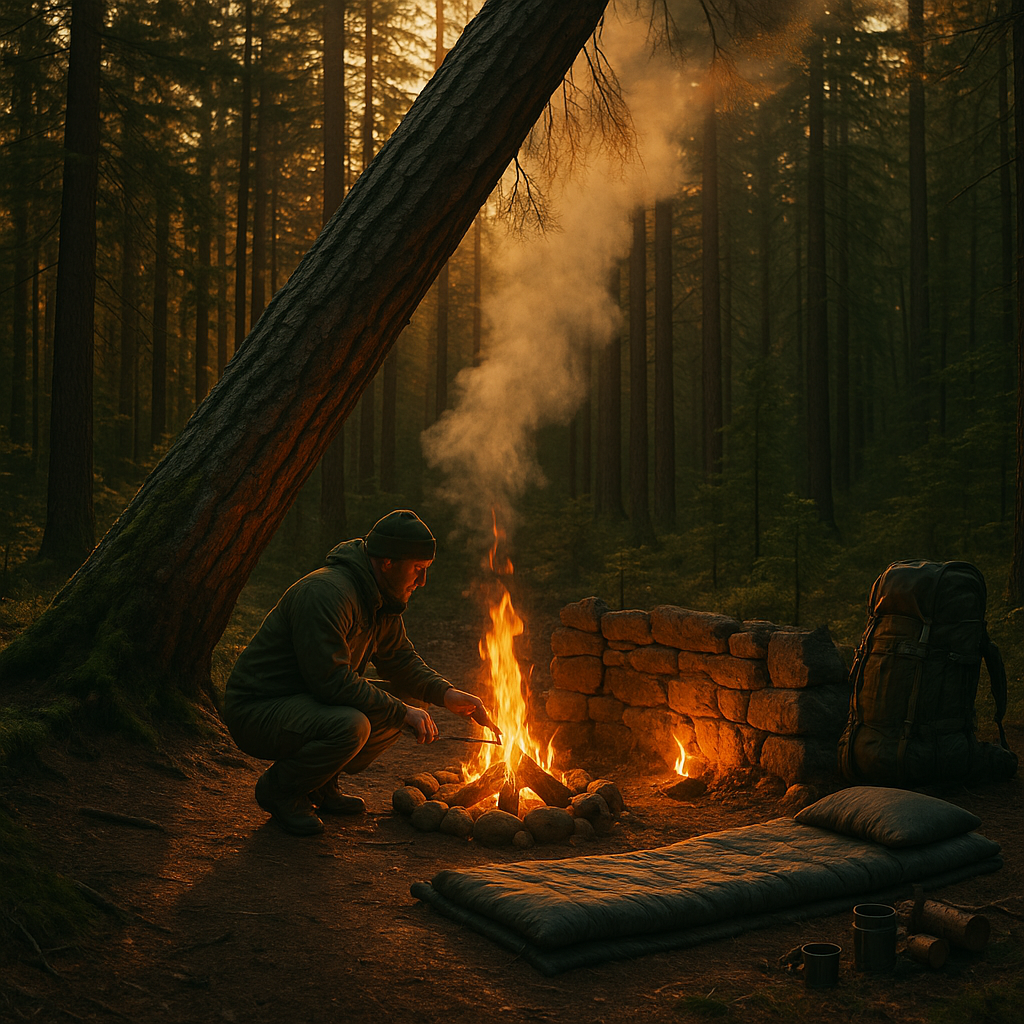
- Evenings: Nestle into spots that trap fading warmth—sun-baked river rocks near camp, or sheltered embankments to heat dinner as stars begin to appear.
Tracking these thermal cycles lets meals form organically. Their timing and nature are shaped not by a watch but by the world unfolding around you.
stone cooking methods can be particularly effective for harnessing solar and residual earth heat, elevating foraged meals and bread baking into rituals shaped by the slow cadence of day and night.
Mapping Microclimates and Transition Zones
Advanced heat-guided walks weave between microclimate zones for a progressive meal.
- Pinpoint key thermal features (discovered via maps or scouting)
- Mark transitions (where a forest meets an open field, or a river meets sun-bleached banks) as these boundaries often reveal unique pockets of warmth or coolness
- Observe wind-shielded nooks or high-altitude sunny patches for specialized cooking tasks
- Account for altitude; higher elevations change boiling points and cooking rates
Designing a looped or semi-circular route enables flexibility—return to prime spots as needed for final cooking, or explore new features as conditions shift. This cyclic approach mirrors traditional patterns of indigenous and nomadic peoples, who moved with the land’s own pulse and energy.
Essential Gear for Thermal Exploration
Minimalism, adaptability, and durability define the perfect kit for heat-guided culinary adventures. Rather than hauling fuel or bulky stoves, the emphasis shifts to lightweight, versatile tools designed to harness and transform environmental warmth into a feast.
Thermal Conductors and Containers
Select materials that efficiently transfer and retain natural heat.
- Blackened steel or cast iron plates: Their color and weight maximize absorption, ideal for rock-top cooking or embedding in embers.
- Silicone mats: Create non-stick surfaces on uneven natural rocks, easy to pack and clean.
- Collapsible silicone tubs and steam bags: Essential for poaching in geothermal springs or double-boiling in hot sand.
- Food-grade, heat-resistant pouches: For slow-cooking grains, legumes, or meat within geothermal features or sun-warmed water.
This scaled-down kit not only lightens your pack, but encourages improvisation and interaction with your surroundings (key elements of the authentic adventure).
Temperature Reading Tools
Accuracy makes wild cooking safe and satisfying.
- Infrared thermometers: Instantly check if a surface or hot spring is suitable for cooking rather than just warming.
- Long-probe digital thermometers: Measure internal food temps or probe the heat depth within a sandbank or ash pile.
- Heat-indicator strips: Simple, featherlight options for gauging safe cooking zones in uncertain wilderness settings.
Such tools, now affordable and reliable, translate centuries-old wild cooking into a modern, safe, and consistently delicious experience.
sun-dried herbs complement the gentle, heat-driven process of wildland meals, inviting improvisation as you master drying, seasoning, and flavor-layering on nearly any terrain.
Specialized Wilderness Adaptations
Some environments demand unique solutions:
- Extendable tongs or arms: Perfect for safely placing or retrieving food near geothermal vents or within steaming pools.
- Reflective panels or emergency blankets: Amplify solar intensity or block wind, giving an edge when conditions are marginal.
- Natural insulation wraps: Made from bark, leaves, or moss, these can help maintain temperature for fermentation or slow-baking when the land’s warmth alone is gentle or fleeting.
This gear philosophy resonates with other fields as well. In survival medicine, lightweight, multi-use gear maximizes effectiveness for first aid or warming hypothermic patients. In rugged educational expeditions, such flexible equipment enables impromptu science experiments or environmental monitoring.
For cooks who thrive on improvisation, the art of creating spontaneous camp meals becomes a culinary motif—trusting the warmth of your surroundings and your own creativity to fill your bowl.
Conclusion
Heat-guided walks open the door to a form of wilderness hospitality that is as ancient as it is exhilarating. By tuning into the world’s subtle warmth, you transform the land from mere backdrop to a living, breathing kitchen and dining room. Every step is guided by the earth’s own rhythms, creating meals that honor the terrain, the season, and the spirit of those present.
This approach weaves food and adventure together, inviting you to rediscover survival wisdom and forge deeper bonds with both companions and place. Whether steaming roots over a vent, baking bread on a sunstone, or swapping stories around glowing coals, you participate in rituals older than any recipe book.
Looking to the future, as more explorers seek authentic experiences away from digital noise, heat-guided walks offer not just a meal but a manifesto: an invitation to greater self-reliance, connection, and soulful delight. As fields like sustainable tourism, environmental education, and even therapeutic wilderness programs adopt these principles, the possibilities grow ever broader. Will you be among those who let the earth’s warmth steer not only your journey, but the stories you bring home? Food. Fire. Freedom. The next feast, and the next adventure, are waiting where trail and temperature meet.

Leave a Reply