

Key Takeaways
- Harnessing nature’s canvas for outdoor cooking: Using the moss floor as your hearth infuses the entire experience with the forest’s scent, softness, and untamed beauty. The ground beneath your feet becomes part of the meal’s story, intertwining landscape and feast in a sensory celebration.
- Primal flavors emerge from elemental fire. Cooking over a moss floor fire enriches food with layered aromas drawn from earth, wood, smoke, and wild herbs. Each bite becomes a migration through the landscape, letting you taste the woods themselves.
- Connection deepens through earthbound rituals. Building and tending a fire on moss cultivates a mindful respect for the land, heightening presence and gratitude with each spark, each careful movement, and every savory sizzle.
- Shared meals become living memories. Gathered around the fire, stories unfold, laughter echoes against the tall trees, and new bonds are kindled. The meal nourishes both body and spirit, etching itself into memory with every smoky flavor and shared glance.
- Tread lightly, honor the wild. Cooking this way demands reverence. Protecting the moss and leaving no trace ensures that the magic and mystery of the forest remain undisturbed, ready to inspire wanderers yet to come.
Let your senses sharpen and your appetite awaken as we journey into the art of woodland cooking. Every flame, flavor, and footstep is steeped in wonder. The adventure, and the feast, begins the moment you touch the mossy earth.
Introduction
A fire built atop velvet-green moss is more than just a way to cook—it’s an invitation to savor the wild, to inhale the scent of pine, peat, and rain-soaked earth as your meal transforms before you. The moss floor fire yields a primal culinary alchemy, infusing ingredients with aromas carried by the forest itself. Earthy, smoky, subtly floral.
The experience extends beyond taste. Each spark and sizzle becomes a moment of mindfulness, a continuous ritual that honors the land’s quiet patience and generosity. Gathered around this living hearth, laughter mingles with drifting woodsmoke and the sigh of wind through branches. Here, a simple meal becomes a living memory enfolded into the story of the wilderness. Let’s step forward into the ancient art and wonder of moss floor fire cooking, where adventure begins right under your boots.
The Allure of Cooking Over a Moss Floor Fire
Cooking over a moss floor fire possesses a kind of ancient magic that transcends basic sustenance. It stretches into ritual and deep connection. Unlike conventional campfires built on stone or bare dirt, a moss floor fire nestles within the living tapestry of the forest, transforming not only ingredients but the entire atmosphere that envelops cook and guest.
Stay Sharp. Stay Ahead.
Join our Telegram Channel for exclusive content, real insights,
engage with us and other members and get access to
insider updates, early news and top insights.
 Join the Channel
Kneeling beside a properly prepared moss floor fire is an act that connects you to traditions unbroken by time. Across northern forests, indigenous peoples from the Sámi of Scandinavia to tribes in the Pacific Northwest understood the unique properties of moss. Its ability to retain moisture allows for a controlled, gentle heat that imparts subtle, earthy flavors unreachable by metal or stone. Food slow cooks here, absorbing vaporized minerals and forest fragrances that wrap every bite in the terroir of the wild.
The allure of this cooking isn’t found only in taste. It lies in the stillness it requires and the attention it trains. Moss floor fires do not yield to haste. Their slow burn invites you to join in the rhythm of the forest, to listen for wind shifts through needles, and to sense the barely perceptible movement of smoke drawn skyward. The forest provides its own seasoning: traces of conifer, leaf rot, and the quiet hush of centuries-old soil.
This sensory immersion not only elevates the food, it transforms the cook. Each small adjustment made to the fire, every patient wait as embers gather strength, is a lesson in presence. The experience calls you into the same wisdom ancient peoples carried: intuition, respect, attunement to land. This resonance is the unspoken magic that lingers long after the last ember fades.
Now, shifting focus from the enchantment of the moss floor fire to the steps involved in preparing for such a feast, remember that the experience begins well before the first match is struck. It starts with cultivating an awareness and appreciation for the forest’s gifts, approached with a spirit of curiosity and reverence.
Preparing for a Moss Floor Fire Feast
True moss floor fire cooking begins with deep observation and thoughtful selection. Not every patch of forest is appropriate, and the process of finding your ideal spot is as much a matter of skill as of instinct. Developing what Scandinavians call “skogskänsla” (the sense of the forest) is key, blending practical know-how with a deep intuition for place.
Finding Your Forest Kitchen
Selecting a site for your moss floor fire combines several important considerations:
- Moisture balance: Seek out lush, springy moss that feels damp to the touch but does not saturate your hand when squeezed. The moss should barely release moisture, maintaining both fuel and safety.
- Moss species: Sphagnum and feather moss varieties offer the best beds. Their natural fire-resistance lends stability, while their fragrance seasons the air and food alike.
- Tree canopy: Choose a spot with moderate overhead coverage. This protects your fire from gusts and disperses smoke without trapping it at ground level.
- Substrate: What lies beneath the moss matters. Areas with mineral-rich soil produce softer, sweeter smokiness, while acidic humus imparts deeper, earthier undertones.
Pause before setting up. Offer gratitude to both the land and those who safeguard it. These small acts of intention foster respect and remind you that you are sharing space with innumerable lives and stories embedded in the earth.
Gathering Materials with Intention
Every material for your moss floor feast should be chosen conscientiously:
- Moss: Harvest selectively, taking small patches from abundant locations and never more than a fifth from any single cluster. Use a sharp blade to preserve the roots and integrity of the moss bed.
- Wood: Collect fallen branches, blending dense hardwoods for sustained heat with softer or aromatic varieties like apple or cherry for flavor. Leave larger logs undisturbed to maintain habitats.
- Tools: Carve green wood spatulas and skewers, gather heatproof stones for radiant warmth, and use natural containers such as birch bark boats or hollowed wood bowls. Pack simple implements— a trowel for restoration, a flask of water, and cloth wraps.
Planning begins at home. Prioritize natural storage such as beeswax wraps or banana leaves over synthetics to maintain harmony with your surroundings.
Preparing Your Provisions
Ingredients for moss floor fires should feel at home in the forest:
- Root vegetables: Parsnips, potatoes, beets, and carrots soak in the essence of their setting, growing sweeter and more complex as they bake in moss-guarded embers.
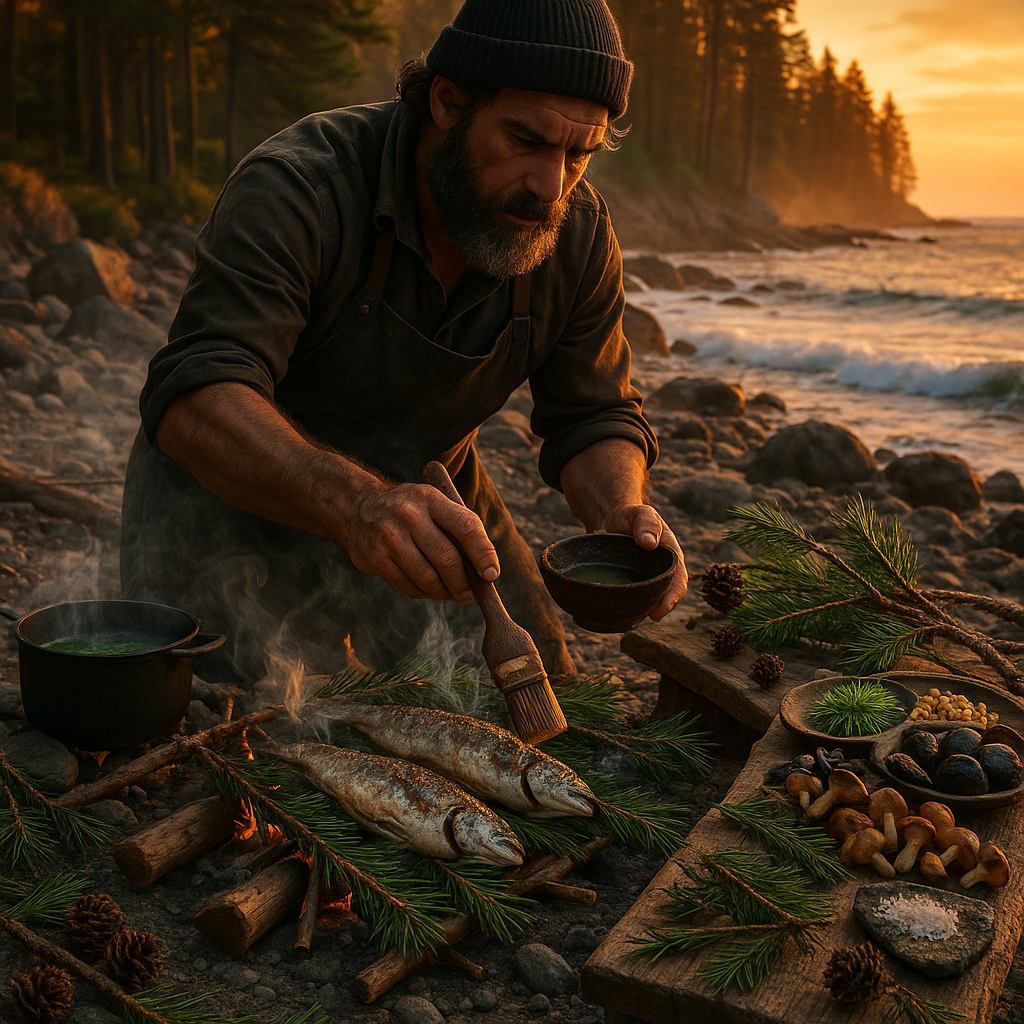
- Wild meats and fish: Venison, duck, trout, or rabbit encapsulate the wildness of the woods and respond beautifully to this slow, aromatic cooking.
- Foraged accompaniments: Supplement your meal with wild greens, mushrooms, and edible flowers gathered responsibly and ethically. Even cultivated foods, when thoughtfully chosen, become part of the landscape narrative.
Prepare and portion your ingredients ahead of time. Clean and wrap them in natural fibers, honoring both ingredient integrity and your commitment to minimizing waste.
As your basket fills and your mind shifts into the ritual pace of the woods, you are ready to begin constructing the fire itself—a delicate act of collaboration with the world beneath your feet.
Building and Tending a Moss Floor Fire
Setting up a moss floor fire is an act of respectful partnership with nature. Here, you do not impose a fire upon the ground but instead gently coax its warmth to life in harmony with the land’s slow pulse.
The Mindful Foundation
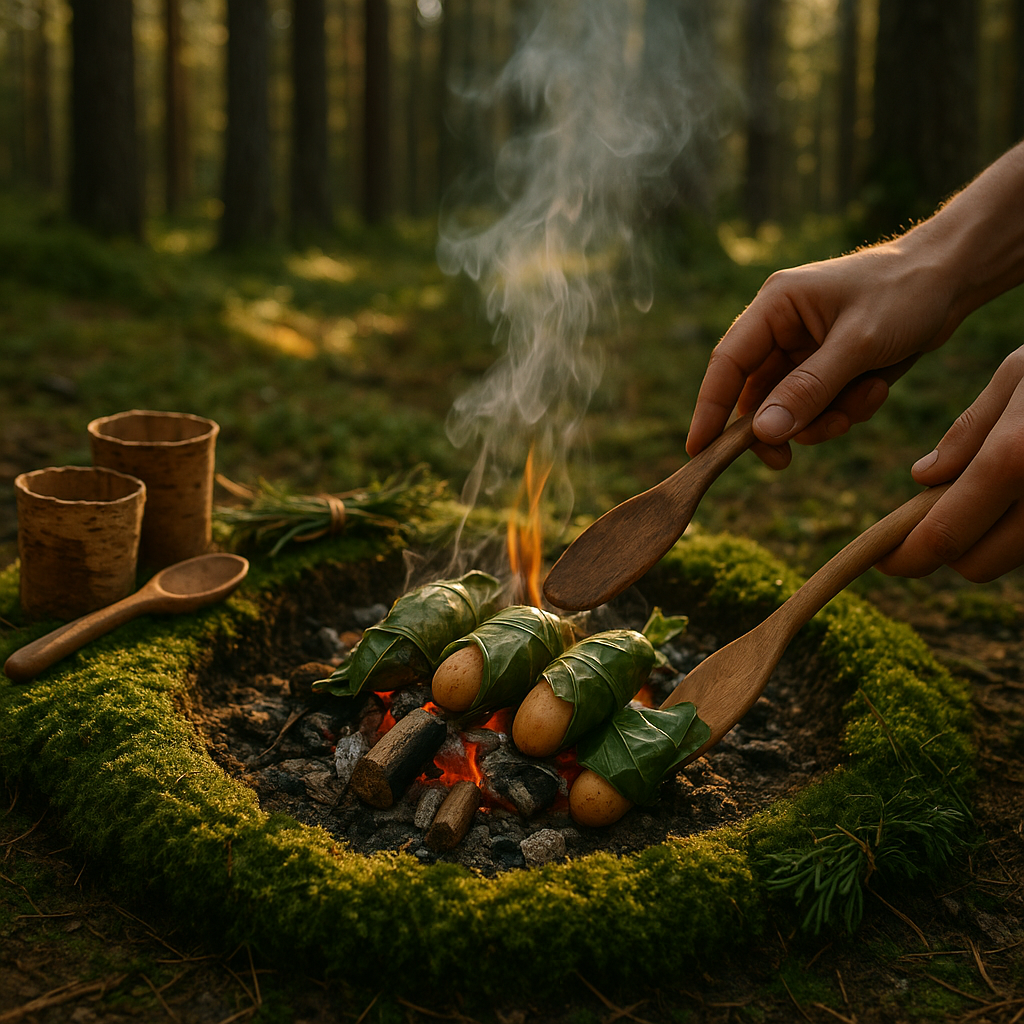
Begin by clearing a space three feet across, rolling back the uppermost moss layer as one intact mat, setting it aside for later restoration. Beneath, the moist, dark duff serves as your hidden reservoir of heat and aroma.
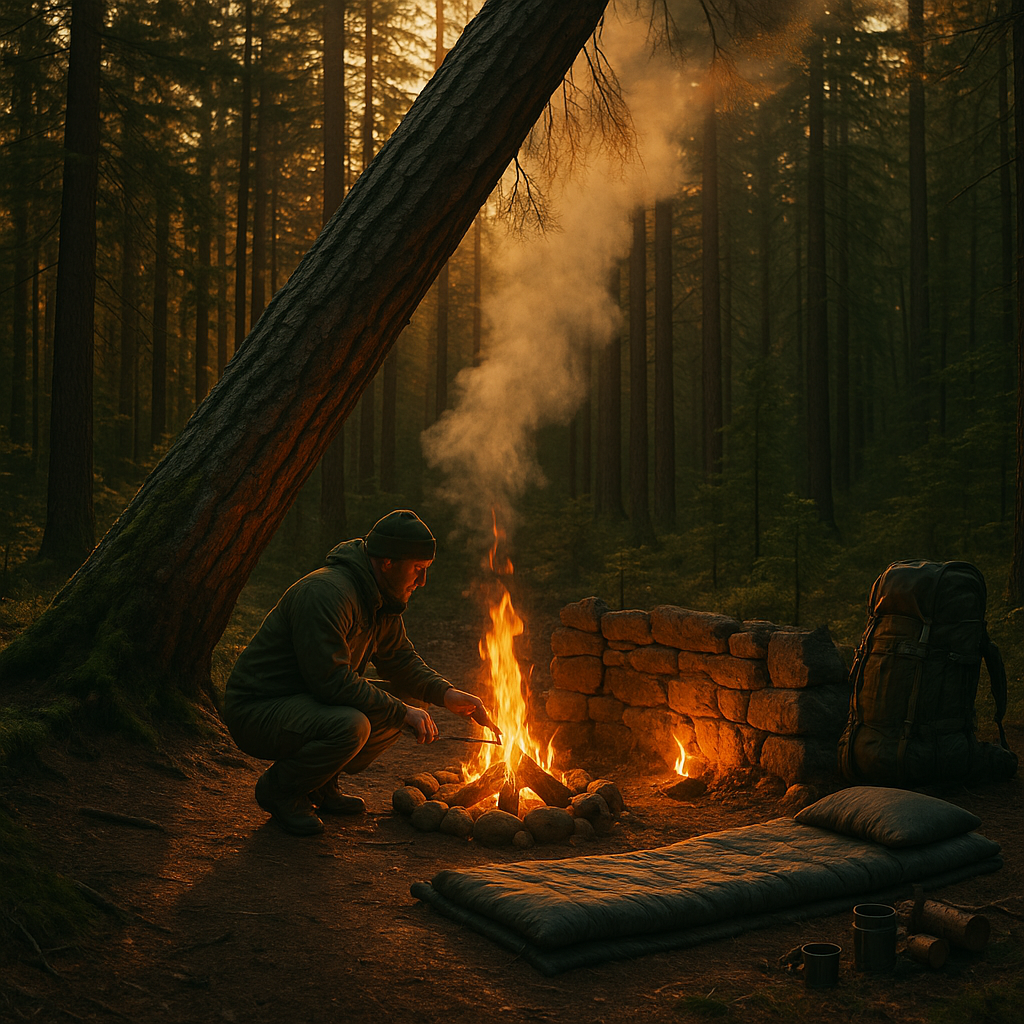
- Build a thermal base: Arrange flat stones as a foundation if they are naturally present. These stones will absorb, radiate, and temper heat while protecting the soil.
- Shape a natural moat: Rim the cleared circle with a perimeter of damp moss. This acts as a living barrier, focusing the fire inward and reducing risk.
- Construct your hearth: At the center, stack dry twigs in a teepee or log cabin structure, with a handful of finer kindling lower down and careful air channels for the flame to breathe.
As you work, slow your movements, letting your hands memorize textures, temperatures, and hidden stories in moss and wood. This is how ancient cooks read the forest: through touch, sound, and patience.
Igniting with Intent
Avoid commercial fire starters and instead choose natural options that honor the integrity of both food and forest:
Stay Sharp. Stay Ahead.
Join our Telegram Channel for exclusive content, real insights,
engage with us and other members and get access to
insider updates, early news and top insights.
Join the Channel
- Dried birch bark, resinous fatwood, or charred punkwood serve as perfect tinder. These ignite steadily, building a gentle flame with grassy or sweet notes.
- Ignite from the base, coaxing the flame upward. Use gentle breaths rather than forced gusts, allowing your fire to reveal its needs.
Notice how the fire responds: how the materials catch, how the moss regulates heat, and whether you need to adjust air flow or shelter. This active listening and adaptation is where elemental wisdom emerges.
Balancing Heat for Cooking
Fire management on moss is about food placement, not flame manipulation:
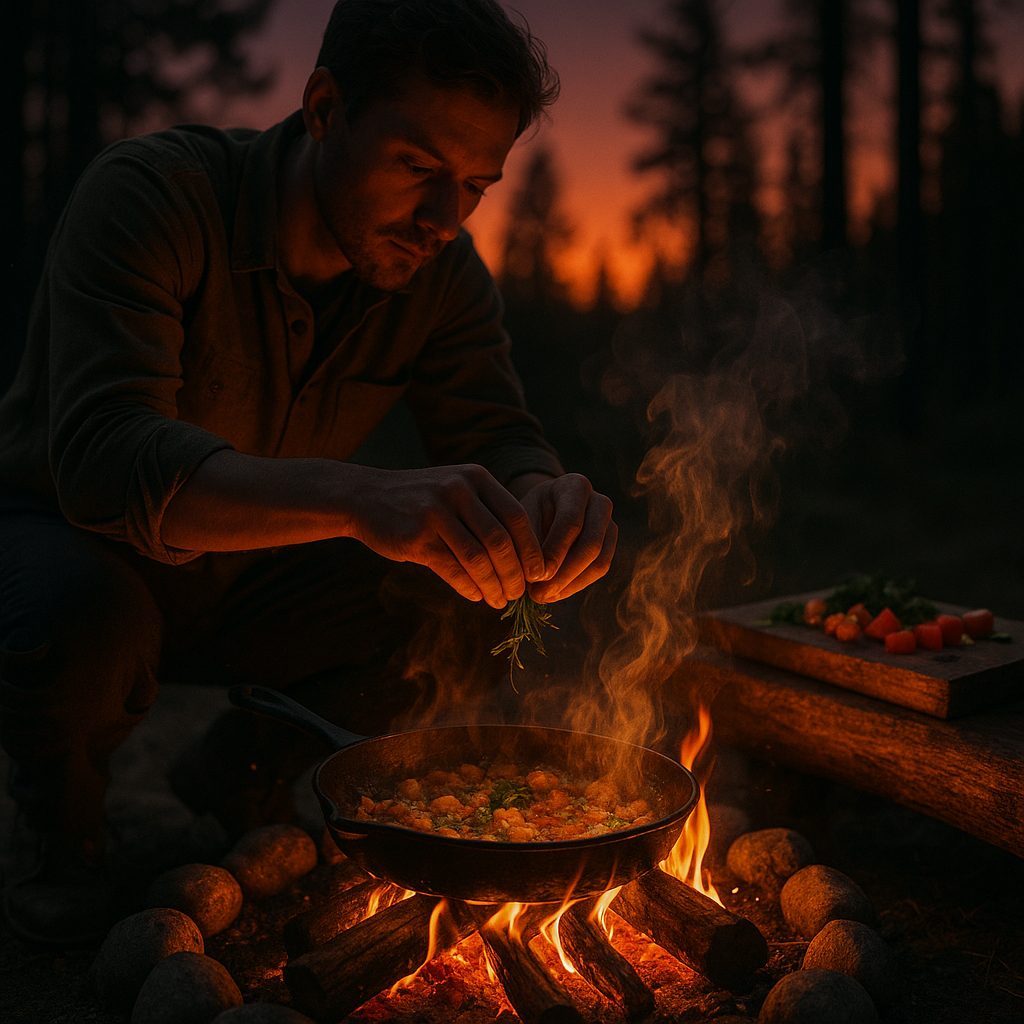
- For quick searing or high heat, position ingredients above the flame’s core.
- For moderate roasting, move food to the edge of the thermal ring, where radiant heat prevails.
- For slow-cooked depth, rest roots or wrapped meats near the moss perimeter, absorbing smoke and subtle warmth.
Shift wood or embers in small increments and use your senses to read the fire. The hiss of moss tells you heat is being drawn out, while a sweet, rising vapor signals readiness. Adjust with respect, attending to every change. The fire will respond in kind.
As the flames mellow to amber glow, the true transformation begins: ingredients bathe in woodsmoke, moss steam, and the secret chemistry of soil and stone. Here, distraction drops away, leaving only the elemental connection between cook, food, and the world in which they both are rooted.
Culinary Magic: The Flavors of Moss and Fire
Cooking with a moss floor fire is a celebration of terroir. The way place, time, and conditions shape taste. It is not about technique alone, but about inviting earth and season to write themselves onto your meal.
The Terroir of Moss
Each moss species contributes its own flavor portrait:
- Sphagnum moss releases delicate notes reminiscent of sweet peat and morning fog, lending a gentle minerality.
- Feather moss imparts resinous, pine-sweet undertones evocative of forest breezes.
- Herbs threaded through the moss (like sorrel, yarrow, or ground juniper) add fleeting, bright highlights that root each dish precisely in place and season.
Layered Aromatics of Smoke, Soil, and Stone
Woods chosen for the fire deepen and complicate the flavor story. Cherry or apple lend subtle, fruity perfume while hardwoods impart mellow, nutty depth. As the fire matures, smoke woven with the vapor of moss and moist earth envelops food in a signature only possible here.
Root vegetables char slightly and caramelize within, their flavors enriched. Game or fish, wrapped in leaves or bark, yield to the warmth with unmatched tenderness, infused by earth and sky. Even simple grains or bread will take on whispering notes of moss and wood, transforming the humble into the extraordinary.
Mindful Eating, Enduring Story
When you finally sit to eat, the meal becomes more than sustenance. It becomes ritual, memory, and sensory symphony. Every bite carries the patience of fire-tending, the resonance of moss, and the shared laughter around the flames. This is the true power of elemental cooking: each meal is marked with the story of its place and time, never to be replicated exactly, always unique.
Wildfire Cooking Beyond the Forest: Diverse Inspirations
The primal appeal of elemental fire and earth-infused cookery extends far beyond forest moss. Across the globe and throughout industries, the embrace of foundational, nature-focused methods is spreading:
- In healthcare, chefs use wild, foraged herbs and roots, prepared over open flame, to foster healing menus in wellness retreats, blending nutritional science with woodland tradition for holistic nourishment.
- In education, outdoor cooking classes rooted in ancestral practices encourage students to develop patience, observation, and environmental stewardship, turning meal prep into a lesson in ecology and mindfulness.
- In hospitality and marketing, boutique hotels and eco-resorts craft immersive culinary experiences, inviting guests to participate in wild-fire cookouts that deepen their emotional connection with place and offer unforgettable, story-rich branding opportunities.
- In environmental science, researchers study traditional earth-based fire methods to design low-impact, sustainable outdoor cooking that respects delicate habitats, helping to guide responsible tourism and conservation.
By broadening the reach of moss floor fire cooking, adventure seekers, industry professionals, and modern explorers alike reconnect with simplicity and authenticity. Rediscovering the wonder that arises when food, story, and nature intertwine.
Conclusion
Cooking over a moss floor fire is more than technique. It is an invitation to slow down, observe, and become deeply attuned to the wild world. Each act, from choosing the right patch of moss to sharing a warm meal beneath the trees, is an exercise in humility and celebration, a return to roots, both literal and figurative.
Every moss-fire feast tells a unique story: one of patience paid back with rich flavor, of deep respect exchanged for ephemeral moments of beauty, and of connection that outlasts the meal itself. For those who seek meaning beyond convenience, who crave wonder and authenticity, this ancient ritual offers more than nourishment. It offers belonging, and the reminder that food, fire, and freedom are the purest forms of adventure.
Looking ahead, the true promise lies not in repeating old patterns but in embracing the uncertainty and awe that come with elemental living. As modern life grows noisier and faster, those willing to reclaim this soulful, earthbound practice will discover not just unique flavors, but a renewed sense of self, place, and purpose. The next chapter belongs to those who dare to journey beyond the ordinary. One moss fire at a time.

Leave a Reply