

Key Takeaways
Campfire meals are much more than smoky flavors and crackling logs. They invite us to savor connection, memory, and wild places with every bite and sip. This guide encourages you to explore campfire wine pairing as an adventure in taste, blending the spirit of the outdoors with bottles (and boxes) that suit each flame-kissed meal. Whether you are toasting marshmallows beneath starlit skies or searing fresh trout at sunrise, these takeaways will help you find the art (and the true joy) of pairing wine with wilderness feasts.
-
Pair wine with landscape; let terroir guide your choices: Choose wines reflecting the region you’re exploring. For example, a rustic Zinfandel matches beautifully with wild game, while a mountain-grown Pinot Noir complements freshly caught trout. Every sip becomes an anchor to both place and memory.
-
Dare to savor boxed wines by the fire: Dismiss outdated stigmas. Today’s quality boxed wines travel easily, chill in cool lake water or snowbanks, and are perfect for sharing around camp. They offer a sustainable, practical choice too often overlooked in traditional guides.
-
Balance campfire flavors with bold, versatile wines: Meals with smoky, charred notes come alive when paired with robust reds, such as Cabernet Franc or Merlot. Spicy sausages and glazed dishes can sing next to a peppery Lambrusco or an off-dry white like Sauternes.
-
Let intuition (and appetite) drive wild food pairings: Trust your senses. Pair foraged finds and fire-cooked fare with wines that suit your mood and the moment, not just by the book but by feel and flavor.
-
Elevate classic camp treats with inventive wine matches: Transform nostalgic s’mores with creative pairings like a fruity Zinfandel or luscious Sauternes. These wines highlight the gooey sweetness and rich chocolate, elevating a fireside tradition into something sublime.
-
Practicality meets pleasure in wilderness wine selection: Consider portability, durability, and chilling options. Opt for lightweight packaging and wines with layered flavors that stand up to the elements, and use creative cooling methods for crisp refreshment in the wild.
With your pack light and your palate ready, these pairing principles ensure every meal beneath open skies feels like a true feast of discovery. Next, let’s venture deeper into the art of choosing the perfect wine for every campfire moment. Bottle or box, let taste, terrain, and a spirit of wilderness wonder be your guide.
Introduction
The right bottle or box of wine can turn a simple campfire meal into an unforgettable memory. To pair wine with campfire food is not just to match flavors; it’s about grounding yourself in wild places, cherishing companionship, and letting the taste of the land linger in your mind long after the flames are gone.
Whether you’re unwrapping foil-seared trout at sunrise or sharing s’mores underneath a desert sky, the wines you choose (rustic reds, inventive whites, or a box of rosé chilled in a mountain stream) can transform wilderness cooking from a necessity into a joyful ritual. It is time to wander into the art of campfire wine pairing, discovering how taste, terrain, and a thoughtfully packed bottle can elevate every outdoor meal into a feast of authenticity and wonder.
Stay Sharp. Stay Ahead.
Join our Telegram Channel for exclusive content, real insights,
engage with us and other members and get access to
insider updates, early news and top insights.
 Join the Channel
Savor the Elements: Exploring Campfire Wine Pairing in the Wild
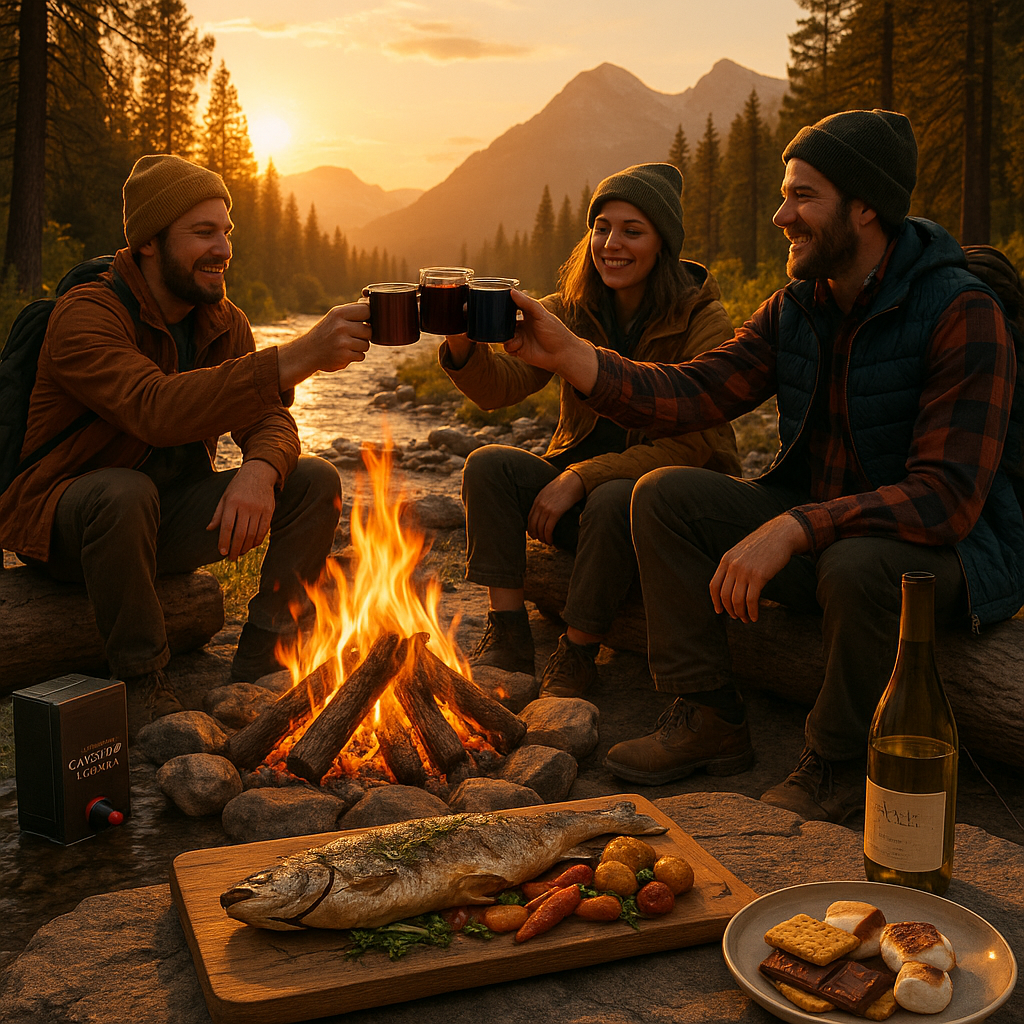
As twilight deepens, the wilderness hushes and flames flicker against the approaching night. Among laughter and the gentle clink of enamel mugs, someone uncorks a bottle or dispenses a well-chilled box of wine. Here, with vast skies overhead and a symphony of pines, sharing wine around a campfire becomes elemental. It’s a celebration of connection, authenticity, and the raw beauty that only nature can provide.
Wine, in these wild places, is more than a drink. It becomes an invitation: to slow down, savor each flavor, and weave memory with every sip.
Wine Selections for Different Campfire Foods
To make campfire meals truly memorable, consider how your wine choices can echo the flavors and soul of your cooking. For explorers seeking more ideas on how meals and storytelling intertwine around the fire, see one pot storytelling for inspiration.
Grilled Meats & Smoky Fare
Campfires transform simple ingredients into rich, savory treasures. For classics like fire-charred steak, spicy venison, or juicy camp sausages, robust reds shine. Seek out a Malbec or Syrah. These wines, with their notes of dark fruit, pepper, and subtle smoke, play perfectly with the meal’s rustic, flame-kissed character. Their intensity cuts through the fat, enhancing flavor and fueling fireside conversations that linger long after dinner.
Case in Point:
On the windswept escarpments of Utah’s red rock wilderness, a group of backpackers paired boxed Cabernet Sauvignon with peppered elk steaks. The blackberry notes in the wine harmonized with the wild, smoky meat, and the gathering transformed into an evening of laughter, storytelling, and relaxed camaraderie. The ease and sustainability of boxed wine on the trail freed everyone to focus on the shared experience.
Fresh-Caught Fish & Fire-Roasted Veggies
Delicate, flaky fish (like campfire-seared trout or salmon) calls for wine that uplifts without overpowering. Crisp Sauvignon Blanc or dry Riesling, with their vibrant minerality and herbal notes, complement both freshwater catch and fire-roasted vegetables. Try a box of Pinot Grigio, which stays bright even as it gently warms by the embers, making it perfect for riverside lunches or late-day feasts.
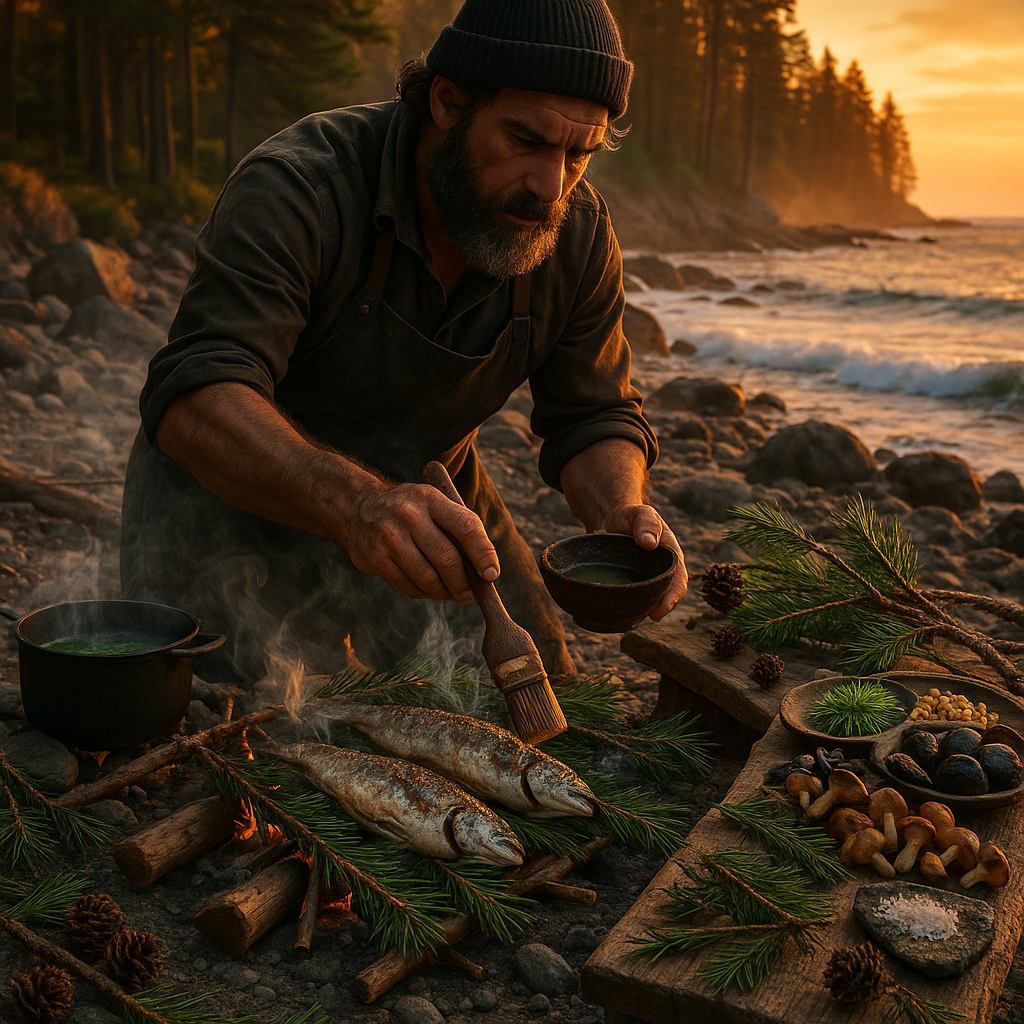
In coastal settings, a chilled Albariño can enhance everything from grilled oysters to foraged edible seaweed, blending the flavors of land and water with nimble, citrusy grace. For additional coastal inspiration, discover how cooking with sea air and cliff echoes can transform your menu in coastal cooking.
Wild-Gathered Greens & Rustic Sides
When your meal includes wild greens, tart berries, or salads dressed with tangy vinaigrettes, select a lively rosé or light Beaujolais. Their fresh acidity lifts herbal flavors and highlights any fruity elements from foraged ingredients.
Insider Tip:
A 1.5L pouch of rosé, purpose-built for outdoor adventure, resists breakage and packs easily. For hikers, paddlers, and backpackers, this unfussy option brings a touch of luxury and endless versatility to the trail.
The Classic S’mores Moment
S’mores, those gooey, nostalgic treats, deserve a wine pairing that honors their sweet complexity. Nutty, creamy port or a lightly chilled Lambrusco highlights the toasted marshmallow and chocolate without overwhelming them.
For a different twist, a ruby Sauternes or fruity Zinfandel balances the flavors, elevating the classic campfire dessert into something memorably gourmet. If you love exploring campfire rituals beyond dessert, the coffee fire ritual guide offers a perfect morning-after pairing.
Regional Pairings Beyond the Trail
It’s worth expanding your culinary adventure with wines tailored to the landscapes you explore. In the Pacific Northwest, try an Oregon Pinot Noir with cedar-planked salmon. In the Alps, a glass of Grüner Veltliner is perfect for alpine cheeses and smoked charcuterie. If your campfire is surrounded by desert bloom, consider a Spanish Garnacha or dry rosé for bold, sun-kissed flavors that echo the land’s rugged spirit. For creative ways to improvise with whatever you have, let spontaneous camp meals be your inspiration.
Practical Wine Considerations for Outdoor Settings
No matter your destination (mountain, forest, coastline, or canyons), thoughtful planning ensures wine both delights and endures.
Why Boxed Wine for Camping?
While the romance of clinking glasses beneath the stars is real, sometimes practicality must rule. Boxed wine shines for durability, lighter weight, and reduced waste. Modern options now include high-quality reds, whites, and rosés that stay fresh for weeks and eliminate glass breakage concerns. A 3-liter box (a favorite among long-distance hikers, paddlers, and family campers) replaces four glass bottles and keeps life simple by the fire.
Real-World Impact:
One Appalachian Trail group switched to boxed wine for their annual trek, cutting pack weight by 25 percent and ending glass waste. Their wine stayed fresh, and the ease of cleanup left more time to connect with each other and the landscape.
Transporting & Serving Wine in the Wild
Prioritize packing methods that value both space and safety. Wine pouches, cans, and tough plastic flasks work well in crowded backpacks and bear-resistant canisters. Pre-chill selections at home, then keep them cool in mountain streams, icy rivers, or shaded snowbanks. Many reds and rosés, slightly below room temperature, will actually reveal more flavor, harmonizing with the climate around your campfire. For advice on minimalist camp kitchens that make wine-pairing easy, visit backpack kitchen essentials.
Stay Sharp. Stay Ahead.
Join our Telegram Channel for exclusive content, real insights,
engage with us and other members and get access to
insider updates, early news and top insights.
Join the Channel
A Quick Campfire Wine Gear Checklist:
- Lightweight cups or insulated mugs
- Multi-tool with corkscrew (for bottles)
- Small cloth for drips and spills
- Wine pouches or collapsible decanters for sharing
- Biodegradable wipes for sticky hands after s’mores
Serving Rituals: Building Connection
Before pouring, take a quiet moment to listen—to the wind in the trees, the laughter, or the hush of dusk. Out among the wild, wine should be about presence, not perfection. Invite your companions to savor aromas: wildflowers in a Viognier, forest floor in a Tempranillo. Each sip becomes layered with the terroir of your adventure and the memories you’re creating.
Actionable Advice: Crafting Your Wild Food Wine Pairing Experience
How to Choose Wines for Outdoor Cooking
- Pick versatile, medium-bodied wines such as Pinot Noir, Grenache, or Vermentino, ideal for a range of foods and temperatures.
- Match acidity with your dishes. Sauvignon Blanc brightens grilled salmon and foraged greens, while a fuller red lends gravity to roasted root vegetables.
- Let the heart of your menu (smoke, spice, or brightness) guide your choice. Sometimes harmony works, other times contrast is magic.
Pro Tip:
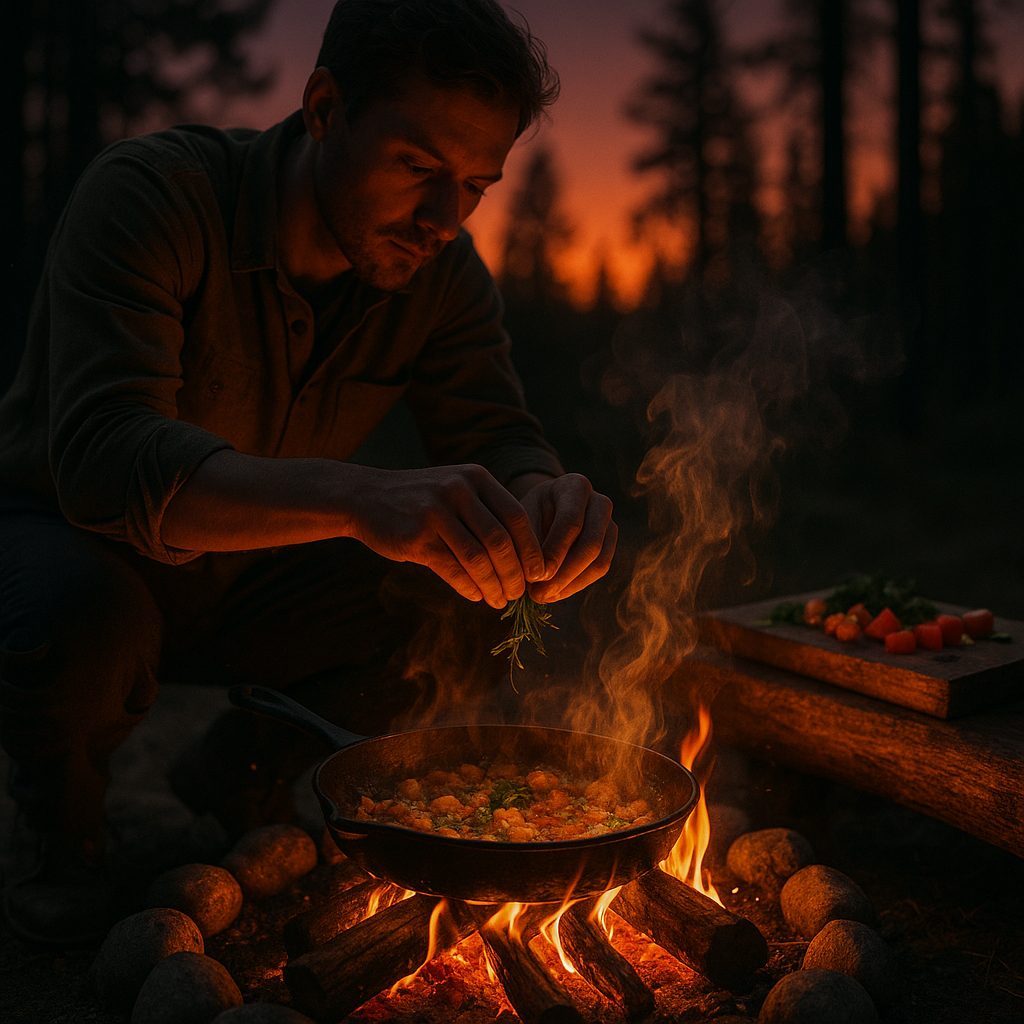
Pack small, refillable flasks of different varietals for a DIY tasting flight. Experiment by tasting each wine with flame-toasted bread, wild mushrooms, or smoked cheese. It’s a playful, sensory way to transform dinner into an adventure in taste and memory. For more on the beauty of slowing down and savoring each bite outdoors, you’ll appreciate slow food outdoors.
Integrating Wine into the Wilderness Narrative
Every campfire wine pairing is more than a gourmet flourish. It continues the journey. Each bottle or box weaves into the story you are telling. The wine merges with the rhythms of fire, landscape, and meal, forging bonds between people and place, layering the wilderness experience with new memories.
By marrying practicality and wonder, and choosing wines built to travel yet rich in flavor, you elevate the campfire meal. Every sip under open skies becomes a celebration of wild freedom and elemental delight. As embers fade and stars scatter overhead, the wine in your cup is more than a drink. It is the taste of adventure, food, fire, and freedom, savored in the sincere heart of nature. Interested in wine pairings through a historical lens? Delve into pairing wine with ancient campfire feasts.
It’s time to set your glass (and your imagination) alight. Let’s turn now to essential tips for making your next wilderness wine moment as unforgettable as the landscape itself.
Conclusion
Campfire wine pairing isn’t just about following rules; it’s about connecting taste, place, and memory in nature’s embrace. When the right wine meets a smoky meal beneath open skies, the moment transcends the ordinary, creating a soulful celebration where authenticity is treasured and connection is everything. Bold reds elevate fire-seared meats, while crisp whites and gentle rosés capture the fleeting spirit of foraged greens or river-fresh catch. Each choice adds its own brushstroke to your adventure’s unfolding story.
Prioritizing practicality (choosing boxed wines or lightweight pouches, embracing versatile varietals, and making rituals of even simple sips) enriches both the meal and the moment. True pairing, after all, is found in the union of fire, food, and freedom, a feast shaped not just by ingredients but by landscape, laughter, and wonder. As you raise your cup to the night, let that toast reflect gratitude: for flavors discovered and friends gathered, but also for the world’s raw, boundless beauty.
The future belongs to those who seek authentic, soulful adventure. One meal, one campfire, one wild toast at a time. May your next wilderness pairing deepen both your palate and your sense of place, transforming every camp meal into a story worth remembering.
List of inserted links:
- “one pot storytelling” – One Pot Storytelling: Crafting Meaningful Meals Over Fire
- “coastal cooking” – Coastal Cooking: Salt-Wind Feasts & Ocean-Inspired Flavors
- “coffee fire ritual” – The Coffee Fire Ritual: Transform Your Tin Cup Into a Sacred Ceremony
- “spontaneous camp meals” – Spontaneous Camp Meals: Creative Cooking Without a Plan
- “backpack kitchen essentials” – Backpack Kitchen Essentials: Ultralight Cooking on the Move
- “slow food outdoors” – Slow Food Outdoors: Savoring Nature One Mindful Meal at a Time
- “pairing wine with ancient campfire feasts” – Ancient Food Trails: Pairing Wine with Campfire Feasts

Leave a Reply