

Key Takeaways
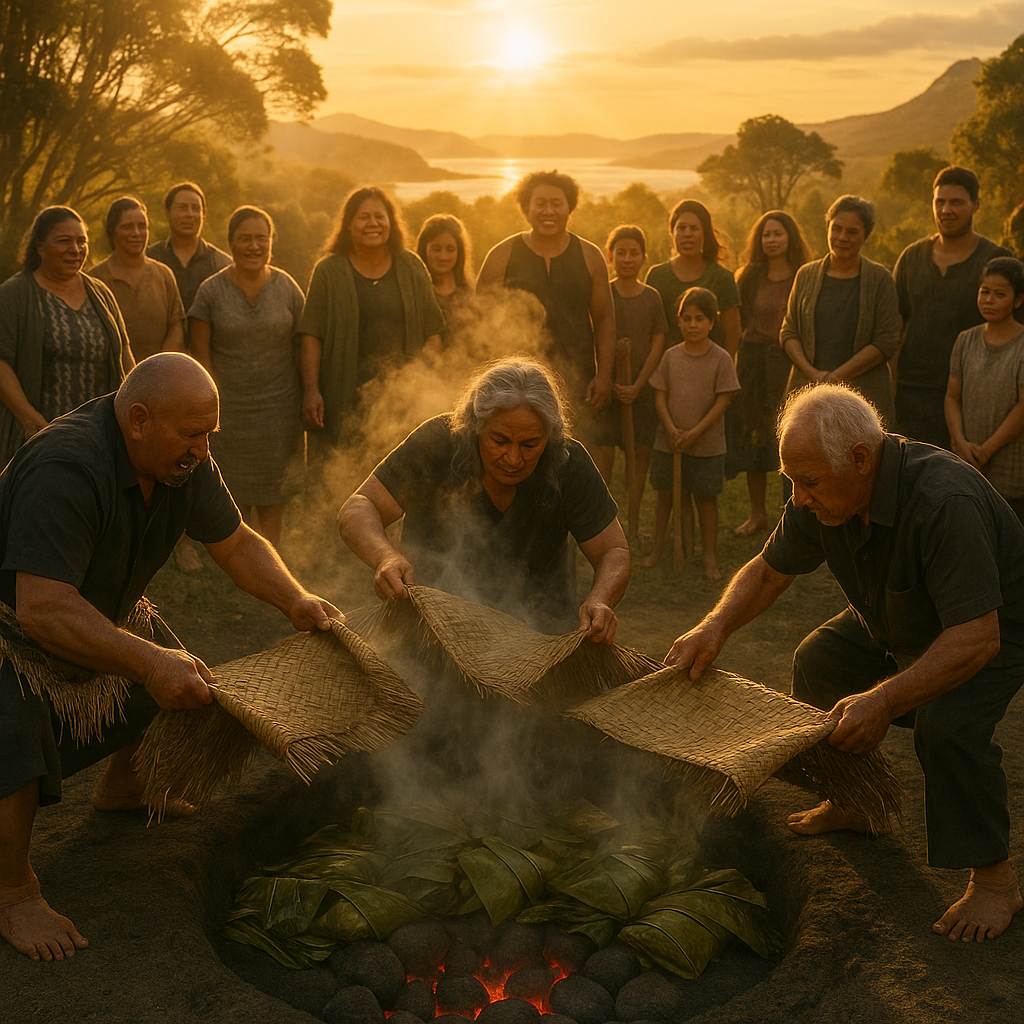
Earth oven traditions are so much more than practical cooking methods; they are ancient rituals steeped in meaning, myth, and communal spirit. From the smoky depths of Hawaiian imu feasts to the earth-infused flavors of Māori hāngi, these customs resonate across continents, carrying secrets of the past and lessons for the present. Below are the essential insights that illuminate the true essence behind earth ovens.
-
From Soil to Soul: Connection Beyond Cooking
Earth ovens are powerful community-builders, serving as living links that transmit knowledge, stories, and identity from one generation to the next, while nurturing deep-rooted relationships across indigenous cultures worldwide. -
A World of Flavorful Rituals
Every culture intertwines its own story into earth oven traditions. Whether it’s the celebratory Māori hāngi, the sacred Hawaiian imu, or the Andean pachamanca, these customs showcase a vibrant tapestry of underground cooking practiced through centuries. -
Ancient Ingenuity Fuels Resilience
The evolution of earth ovens spans thousands of years, with each adaptation reflecting creative resourcefulness and a profound understanding of local environments and seasonal harvests. -
No Two Ovens Alike: Materials Matter
The soul of every earth oven lies in its materials. From volcanic stones and banana leaves to riverbed clay and woven mats, each tradition uniquely shapes both the cooking technique and the flavors produced. -
Gatherings That Feed the Spirit
Earth oven feasts are more than meals. They are ceremonies, spaces for storytelling, and communal celebrations marked by collective labor, laughter, and rituals honoring both the land and ancestors. -
Reviving the Roots in Modern Times
Across the globe, communities and chefs are rekindling earth oven traditions, not only to recreate time-honored flavors but to rejuvenate lost rituals and preserve wisdom in a fast-changing world. -
Dispelling the Myths, Honoring the Facts
Earth oven techniques are often misunderstood. Deep knowledge of fire management, food layering, and timing is essential to truly honor and preserve these sacred culinary acts.
As we journey deeper, prepare to uncover the legends, landscapes, and living memories that make earth oven traditions a feast for both body and spirit. This is an open invitation to gather round the fire and savor the world’s oldest stories.
Introduction
Beneath layers of earth and embers, humanity’s oldest stories smolder and rise, brought to life through earth oven traditions. These are not just ingenious cooking methods; they are living rituals wrapped in soil, smoke, and the collective memory of communities. From the wild beaches of Hawaii to the mist-veiled highlands of Peru, underground feasts have long fueled community bonds and preserved ancestral wisdom, blending fire with myth and flavor.
Exploring earth oven traditions uncovers far more than culinary technique. Each tradition is a testament to resilience, a celebration of culture, and the resourcefulness of ancient cooks. Embarking on this journey reveals origins, rituals, and enduring wisdom where every meal becomes a lesson in connection, ingenuity, and the timeless gathering of people around the fire.
Stay Sharp. Stay Ahead.
Join our Telegram Channel for exclusive content, real insights,
engage with us and other members and get access to
insider updates, early news and top insights.
 Join the Channel
The Ancient Tapestry of Earth Oven Traditions
Beyond the Flames: Earth Oven Traditions as Cultural Identity
Gathering around a smoldering pit, the scents of slow-roasted meats mingling with earth and wild herbs, is to partake in rituals as timeless as humanity itself. These earth oven traditions (celebrated as hāngi in New Zealand, huatia in the Andes, and imu in Hawaii) form a living testament to ancestral brilliance. They exist far beyond “underground cooking,” anchoring shared stories, rich traditions, and a powerful sense of belonging.
Around the world, earth ovens rise from humble origins. Built from stones, clay, leaves, and whatever bounty the land provides, their adaptable designs accommodate intimate meals and grand feasts alike. When the coals burn and the stones glow beneath desert skies or palms beside the ocean, communities form, bound together by smoke, sweat, and celebration.
Tracing these customs across regions uncovers a vibrant tapestry, each thread preserving heritage while dispelling tired myths that often cloud the true significance of earth ovens.
Myths and Misconceptions: Separating Fact from Folklore
Despite their enduring presence, earth oven traditions are often misunderstood. Some consider them “primitive” or obsolete, but this perception is both limiting and inaccurate.
-
Myth: Earth ovens are “one simple method.”
In reality, earth oven techniques are dazzlingly diverse. The Hawaiian imu uses thoughtfully layered pits with banana leaves and hot stones, while the Arctic tundra’s underground caribou roasts reflect an entirely different set of materials and customs. Each region adapts technique, timing, layering, and seasonings to local culture and environment. -
Myth: Earth ovens are inefficient and wasteful.
Underground cooking is remarkably resourceful. It harnesses retained heat over long periods and makes use of local materials, from river stones to seaweed, imparting unique flavors and tenderizing tough cuts. For example, Peruvian pachamanca celebrations have demonstrated a 30% reduction in fuel use compared to open fires, conserving both resources and communal effort. -
Myth: Earth ovens lack sophistication.
The choreography involved is a technical marvel. Calculating optimal cooking times, arranging foods by density, layering insulation, and reading subtle signs in steam and soil are skills honed over generations. Tales of master cooks evaluating doneness by the song of cracking stones or the scent of escaping steam are common.
By debunking these myths, we amplify appreciation for earth oven traditions as living knowledge systems—complex, adaptable, and resilient.
Having clarified common misconceptions, we turn to the global roots that anchor these practices across landscapes and eras.
Origins: A Global Mosaic of Underground Cooking
The First Earth Ovens
Archaeological evidence reveals that the earliest earth ovens date back at least 29,000 years. Paleolithic communities in Central Europe roasted mammoth in earth-lined pits. As humanity dispersed and environments changed, earth ovens arose wherever resourcefulness and communal sharing converged.
- Pacific Islands: Polynesian navigators transported umu rituals throughout Samoa, Aotearoa (hāngi), and the Marquesas, celebrating milestones with hot stones, aromatic leaves, and communal songs.
- The Americas: Pachamanca of the Andean highlands (“earth pot”) is a sensory tribute to Pachamama, featuring potatoes, maize, and herbs. In North America, Apache and Navajo pit roasts nurtured kinship and adaptability in challenging landscapes.
- Africa and Beyond: In North Africa, Berber communities refined sand ovens for mechoui lamb, while Bedouin families in Jordan crafted zarb pits that conserved both water and fuel for sustaining feasts beneath desert stars.
Each adaptation reveals a profound connection to place, reflecting the wisdom of local landscapes and the enduring dialogue between people and the earth.
With a clearer view of their origins, we can now appreciate how earth ovens have become anchors within ritual and collective celebration.
Ceremonial and Community Roles: Earth Ovens at the Heart of Culture
Earth ovens are inherently communal by nature. Preparing and unveiling a meal from the earth is a multifaceted celebration filled with ritualistic symbolism.
Rituals and Social Bonds
- Māori Hāngi: In Aotearoa, the hāngi is the beating heart of celebration, central at weddings, funerals, and community gatherings. Elders open the pit with ceremony and prayer at dawn, honoring the spirit of the land. Younger generations learn more than technique. They inherit ancestral stories, blending laughter with tradition and solemnity.
- Hawaiian Imu: Luaus in Hawaii are intricate dances of preparation. Families gather to arrange stones, prepare leaves, and assign roles. The emergence of the imu-cooked pig is a poignant moment, uniting past and present. Today, imus are sometimes revived in urban settings as a powerful way to connect families to their roots.
- Peruvian Pachamanca: The communal act of unearthing steaming food embodies gratitude for both the meal and those present. In contemporary Peruvian highland communities, reviving pachamanca celebrations significantly increases youth engagement in cultural activities, strengthening intergenerational bonds.
Transmission of Knowledge
The apprenticeship of earth oven preparation ensures the survival of intricate knowledge: weaving aromatic mats, selecting and layering foods, interpreting the language of smoke and soil. This process goes far beyond practical skill, cultivating a strong thread of cultural identity and passing wisdom across generations.
Having explored the heart and meaning of these customs, it is now vital to understand the technical artistry that makes earth ovens both universal and unique to each culture.
Techniques and Materials: Universality and Local Genius
Building the Oven
While the essence of earth oven methods is universally recognizable (dig a pit, heat stones, insulate, and slow-cook), the ingenious details are tailored to place:
- Stone Selection: Volcanic and river stones are chosen for heat retention and gradual release, while care is taken to avoid rocks prone to breaking or exploding in certain climates.
- Natural Insulation: Indigenous Alaskan inuksuk employ moss and tundra grass. Māori hāngi utilize flax and ponga fern, and in the Caribbean, palm fronds and banana leaves both steam and perfume the food.
- Food Arrangements: Mexican barbacoa suspends meats above embers, sealed for long, gentle cooking, while Berber cooks wrap lamb in clay, allowing the meat to absorb desert flavors overnight.
Comparative Case Study: Hāngi and Imu
Considering New Zealand and Hawaiian traditions side by side:
- Cooking Time: A Māori hāngi typically takes 3-4 hours, while a Hawaiian imu, renowned for its dense layering and heat retention, can cook continuously for up to 8 hours.
- Flavor Profile: Native aromatic herbs such as manuka (in New Zealand) and ti or banana leaves (in Hawaii) impart distinctly local flavors.
- Community Scale: While both ovens accommodate large gatherings, their design nuances reflect different landscapes, available resources, and communal needs.
Recent urban projects highlight the enduring relevance of earth oven cooking. In Sydney, a community hāngi pit now hosts monthly feasts where elders mentor youth in cultural language, dance, and culinary skills. It’s a living testament to earth oven traditions’ power to unite and revive community ties.
With an understanding of construction and technique, it is now important to explore the challenges and creative adaptations that shape the future resilience of earth oven traditions.
Stay Sharp. Stay Ahead.
Join our Telegram Channel for exclusive content, real insights,
engage with us and other members and get access to
insider updates, early news and top insights.
Join the Channel
Modern Revivals, Challenges, and Resilient Spirit
Adapting Earth Oven Traditions Today
As convenience foods and modern appliances dominate, earth oven cooking is making a comeback as a form of resistance and intentional reconnection to roots, land, and heritage.
- Urban Innovations: Portable, aboveground versions designed from brick and steel are appearing in urban neighborhoods, retaining most of the social and ceremonial elements of their rural predecessors.
- Education and Preservation Initiatives: Programs across New Zealand, Peru, North America, and even Australia now teach children practical skills in earth oven construction, blending lessons in history, ecology, and gastronomy.
Yet, these traditions face real challenges:
- Regulation: Fire bans, urban development, and shifting land policy sometimes restrict access to traditional pit cooking. Many communities are now forming partnerships with local authorities to safeguard these culinary heritages.
- Transmission Gaps: Migration, assimilation, and lifestyle changes risk severing the thread of tradition. However, story-driven festivals, youth workshops, and digital storytelling initiatives are reigniting interest. In places like California, Tongan diaspora communities hold annual umu feasts that raise funds for cultural education and keep the flame of tradition burning.
Earth Ovens as Vessels of Living Knowledge
What materializes, in the end, is meaning rather than just technique. Earth oven traditions become vessels carrying belonging, stewardship, and the kind of generous, patient spirit that modern life often neglects. Each communal feast is more than food; it is a slow-baked lesson in the art of connection, both to nature and to one another.
As these ancient methods adapt to new landscapes and generations, they ignite deeper wonder and respect for the enduring power of tradition. The story of the earth oven, passed from hearth to hearth, reminds us that raw beauty, wisdom, and soulful connection are best savored in the company of fire, open skies, and community.
After understanding their depth, resilience, and living spirit, it becomes clear that earth oven traditions offer an irreplaceable place at the world’s most authentic tables.
Conclusion
The enduring legacy of earth oven traditions transcends culinary technique, embodying a living tapestry woven from ancestry, landscapes, and tightly knit communities. More than a method of preparing food, these rituals (whether in the smoky embrace of a Māori hāngi or the layered aromas of a Hawaiian imu) evoke a profound respect for resourcefulness, patience, and shared ritual. Dispelling outdated myths, we see that earth ovens foster sustainability, adapt brilliantly to diverse climates, and serve as anchors for both cultural identity and intergenerational knowledge transfer.
Today’s revival of underground feasts signals a universal longing to reconnect: to tactile craft, to the land, and to each other. Earth ovens invite us to slow down, honor elemental flavors, and experience a form of nourishment that feeds both body and spirit. In a world that moves ever faster and becomes more digital by the hour, gathering at the fire (tasting the past and forging authentic moments under open skies) emerges as one of the greatest freedoms we can claim. Looking ahead, those who seek soulful experiences and deeper connection will find in these ancient customs not only sustenance, but inspiration for resilient living and adventurous exploration. The elemental feast continues, waiting for all who are willing to listen, learn, and savor.
Links inserted:
- volcanic stones — Primitive Outdoor Tools: The Enduring Art of Stone Cooking
- resilience — Indigenous Foodways: Fire, Tradition & Wisdom in Outdoor Cooking
- umu rituals — Fire Circles: Recipes, Rituals & Stories of Sacred Gatherings

Leave a Reply